
Canada Sets Global Benchmark for Independent Travel in 2026 Across Quebec City, Victoria, Ottawa, Halifax and Banff
Canada establishes a new global standard for solo exploration in 2026, leveraging high safety ratings and infrastructure in Quebec City, Victoria, Ottawa, Halifax, and Banff to attract independent travelers.

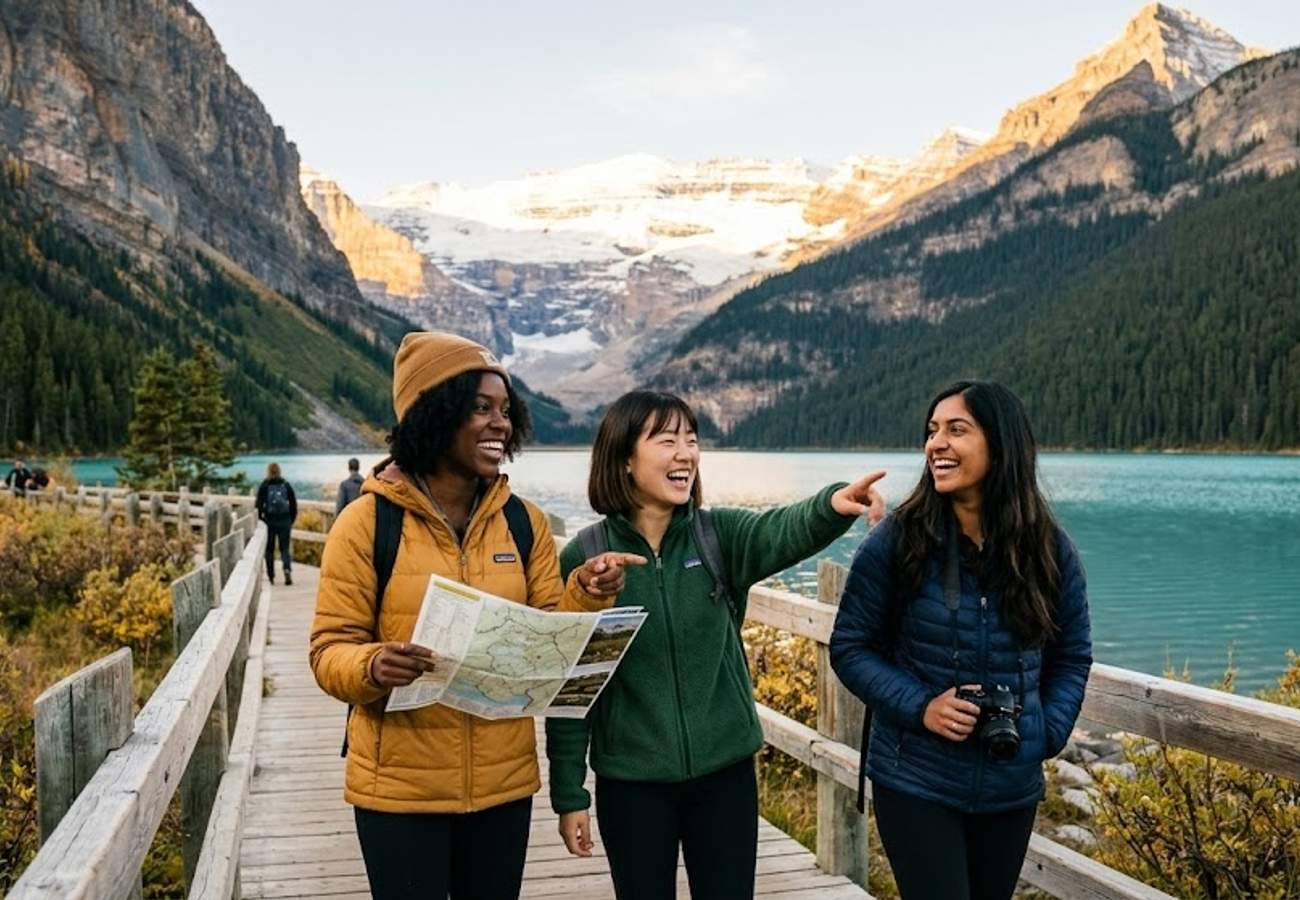
Image generated by AI
Canada is redefining the standards for independent exploration in 2026, positioning five key hubs—Quebec City, Victoria, Ottawa, Halifax, and Banff—as the premier global benchmarks for safe, self-planned journeys.
The shift toward independent travel has accelerated, with visitors increasingly prioritizing destinations that balance high-adventure experiences with rigorous security and infrastructure. Canada's current strategy focuses on integrating welcoming community environments with reliable public transit and world-class tourism facilities to eliminate the traditional frictions of solo travel.
Regional Analysis of Safe Exploration Hubs
The Canadian travel landscape is currently segmented by five distinct regional strengths, each catering to different solo traveler profiles:
Quebec City: The Urban History Model Quebec City utilizes its UNESCO World Heritage-listed Old Town to provide a high-security, walkable environment. The compact layout allows for vehicle-free exploration of the Petit-Champlain district and the area surrounding the Château Frontenac. The city's heavy investment in wayfinding and a visible police presence in high-traffic zones makes it a primary entry point for first-time solo travelers.
Victoria: The Low-Stress West Coast Experience On the west coast, Victoria emphasizes a slower pace. The Inner Harbour and Beacon Hill Park are designed for pedestrian and cycling accessibility, reducing the need for rental cars. This environment is specifically noted for its appeal to solo female travelers and older demographics seeking a quiet, secure escape. Key sites include Butchart Gardens and the Royal BC Museum.
Ottawa: The Institutional Security Standard As the national capital, Ottawa leverages government-grade infrastructure to ensure safety. The proximity of Parliament Hill, the National Gallery of Canada, and the Canadian Museum of History allows for a streamlined itinerary. The Rideau Canal serves as a primary artery for safe, seasonal walking and cycling.
Halifax: The Atlantic Hospitality Hub Halifax differentiates itself through social infrastructure. The waterfront boardwalk is a critical asset for solo visitors, providing a safe, high-activity zone for dining and shopping. The city’s layout facilitates easy transitions between the downtown core and landmarks like Citadel Hill and Peggy’s Cove.
Banff: Managed Wilderness Exploration Banff represents the benchmark for safe adventure travel. Operating within Banff National Park, the town employs a strict management system involving park wardens and detailed visitor guidance to mitigate wildlife risks. High-traffic natural sites, including Lake Louise, Moraine Lake, Bow Falls, and Johnston Canyon, are monitored to ensure visitor safety without compromising the wilderness experience.
Core Pillars of the Canadian Independent Travel Model
Our analysis of the current tourism framework reveals three primary drivers of Canada's success in the solo travel sector:
- Low-Risk Environment: Consistently low levels of violent crime compared to other global destinations.
- Linguistic Accessibility: Widespread English proficiency combined with the cultural depth of French in Québec.
- Infrastructure Reliability: High standards of accommodation, well-maintained road networks, and efficient public transit systems.
Destination Match Matrix
| Traveler Profile | Recommended Destination | Primary Draw | Key Safety Feature |
|---|---|---|---|
| History Enthusiast | Quebec City | Old Town / UNESCO Sites | Walkable, compact layout |
| Nature/Adventure Seeker | Banff | Rocky Mountains / Lakes | Park Warden patrols |
| Culture & Politics Buff | Ottawa | Museums / Parliament | Organized urban layout |
| Coastal/Social Traveler | Halifax | Waterfront / Maritime History | High community hospitality |
| Wellness/Peace Seeker | Victoria | Gardens / Inner Harbour | Relaxed, low-traffic pace |
Why This Matters: Industry Implications
From a logistical perspective, Canada is moving away from the "tour group" dependency. By investing in "worry-free" infrastructure, they are capturing the high-growth segment of the "digital nomad" and "solo explorer" markets.
For the traveler, this means a significant reduction in the "planning tax"—the time and mental energy spent researching safety and transport. When a destination like Banff provides real-time wildlife awareness and Ottawa offers a walkable museum circuit, the barrier to entry for solo travel drops. This creates a virtuous cycle: increased safety leads to higher visitor counts, which justifies further investment in tourism infrastructure.
Forward Outlook
Expect Canada to further integrate smart-city technology into its tourism corridors by late 2026. This will likely include enhanced real-time transit tracking and digital safety beacons in national parks. As the global trend toward "slow travel" persists, these five cities will likely serve as the blueprint for other nations attempting to attract high-spending, independent travelers who prioritize security over budget.
Canada is no longer just a destination; it is the gold standard for the autonomous traveler.
Related Travel Guides
Disclaimer
This article is for informational and educational purposes only. It does not constitute legal, financial, or professional advice. While we strive to provide accurate and up-to-date information, travel policies, regulations, and conditions change rapidly. Always verify information with official sources before making travel decisions. Nomad Lawyer makes no representations about the accuracy, reliability, completeness, or suitability of the information provided. Readers should consult qualified professionals for advice specific to their circumstances. The views expressed in this article are those of the author and do not necessarily reflect the views of Nomad Lawyer.
Kunal K Choudhary
Co-Founder & Contributor
A passionate traveller and tech enthusiast. Kunal contributes to the vision and growth of Nomad Lawyer, bringing fresh perspectives and driving the community forward.
Learn more about our team →