
Fighter Military Jets Dominate 2026 Skies as Fifth-Generation Stealth Reigns Supreme
Fifth-generation stealth fighter military jets command 2026 aerial battlefields, forcing 4.5-generation alternatives to innovate with advanced weapons systems and performance upgrades to remain competitive in modern air combat scenarios.

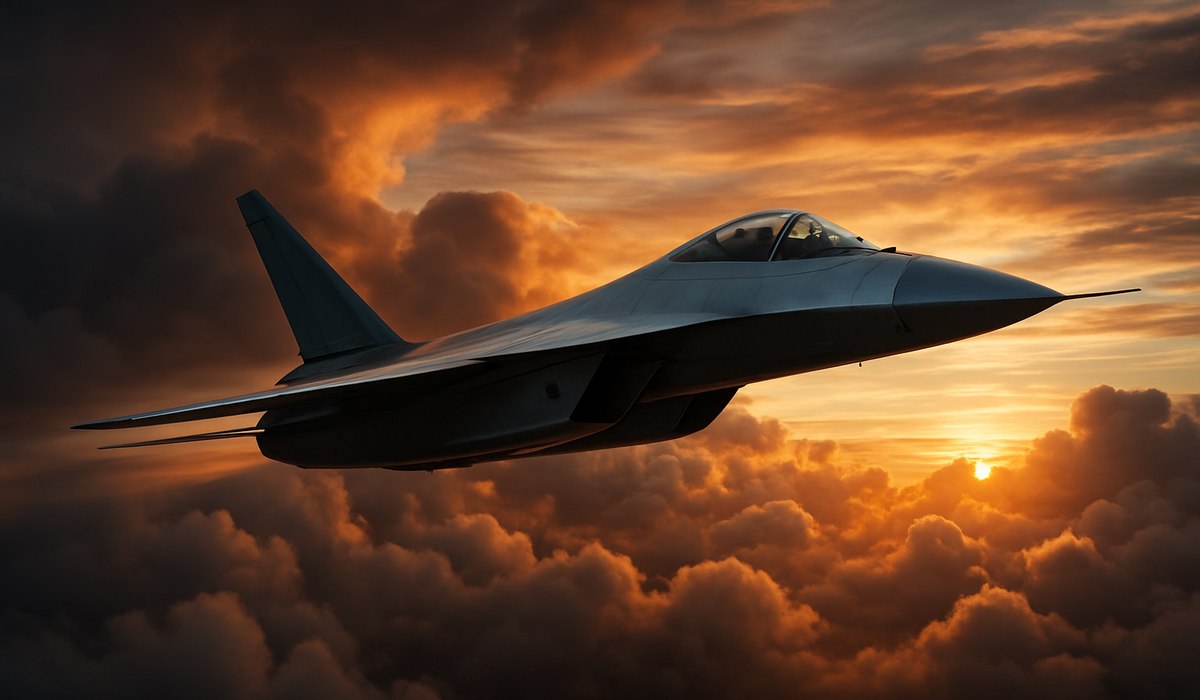
Image generated by AI
Stealth Technology Reshapes Modern Air Combat
Fifth-generation stealth fighter military jets have fundamentally transformed aerial warfare strategy in 2026, establishing dominance across contested airspace globally. These advanced platforms leverage cutting-edge radar evasion, reduced infrared signatures, and integrated avionics systems that render traditional detection methods obsolete. The technological leap represents a generational shift that compels militaries worldwide to either invest in next-generation capabilities or develop innovative countermeasures. Nations operating stealth fighter military jets enjoy unprecedented advantages in surveillance, targeting, and first-strike positioning. This aerial superiority directly influences geopolitical stability and regional power dynamics throughout 2026.
Fifth-Generation Stealth Dominance
The fifth-generation classification defines fighter military jets engineered specifically around stealth principles and sensor fusion. Platforms like advanced variants operate with internal weapons bays, reducing external radar cross-sections to levels undetectable by conventional air defense systems. These fighter military jets integrate artificial intelligence-assisted targeting, real-time data linking, and supercruise capabilities enabling sustained supersonic flight without afterburner penalties.
Stealth geometry combined with composite material construction creates airframes that absorb rather than reflect electromagnetic waves. The strategic advantage extends beyond evasion—these fighter military jets establish air superiority through information dominance, detecting adversaries long before counter-detection occurs. Operating costs remain substantially higher than earlier generations, yet the performance premium justifies investment for advanced militaries prioritizing technological edge.
4.5-Generation Fighters Fight Back
Fourth-generation-and-a-half fighter military jets represent a pragmatic middle ground for nations seeking improved capability without full fifth-generation investment. While lacking inherent stealth characteristics, these platforms compensate through advanced active electronically scanned array radar, evolved weapons systems, and superior maneuverability in certain flight regimes. The generation paradox creates interesting tactical scenarios where traditional strengths occasionally overcome stealth disadvantages.
Modern 4.5-generation fighter military jets feature conformal fuel tanks, improved engines, and significantly enhanced avionics packages rivaling earlier fifth-gen platforms in specific performance metrics. Integration of air-to-air missiles with extended range and high-off-boresight targeting partially mitigates detection vulnerability. Many operators deliberately maintain mixed fleets, deploying fourth-generation-and-a-half fighters for missions where stealth provides marginal advantage while reserving precious fifth-generation assets for critical operations. This strategy maximizes operational efficiency while distributing costs across multiple airframe types.
Technology Gap and Compensation Strategies
The disparity between fighter military jets generations creates asymmetrical tactical challenges requiring innovative operational doctrine. Stealth manufacturers continuously upgrade sensor packages and software, maintaining technological momentum while competitors race to develop effective counter-stealth technologies. Hypersonic missile development, advanced electronic warfare systems, and decentralized command structures represent non-stealth approaches addressing fifth-generation dominance.
Fighter military jets operators employing 4.5-generation platforms increasingly rely on networked swarm tactics, utilizing multiple airframes to overwhelm stealth detection capabilities through coordinated saturation approaches. Artificial intelligence integration enables quicker decision cycles, potentially offsetting individual platform disadvantages. Network-centric warfare concepts transform fighter military jets from isolated hunters into interconnected combat systems sharing real-time targeting information across entire battle spaces. Enhanced training programs emphasizing tactical excellence help overcome raw technological deficits.
Future of Aerial Combat Evolution
The 2026 fighter military jets landscape reflects broader military modernization trends balancing technological advancement against fiscal constraints. Sixth-generation concepts currently exist in early development phases, promising even more autonomous capabilities and expanded operational roles beyond traditional air-to-air combat. As fighter military jets technology matures, operational costs will likely decrease, enabling broader international adoption of current fifth-generation platforms.
Unmanned combat aerial vehicles increasingly supplement traditional fighter military jets, creating hybrid operational architectures optimizing crewed and autonomous platforms synergistically. This evolution may fundamentally alter fighter military jets design priorities, emphasizing command-and-control capabilities alongside traditional performance metrics. Nations investing strategically in these emerging doctrines position themselves advantageously for 2030s competition scenarios.
Fighter Military Jets Performance Comparison
| Characteristic | Fifth-Generation | 4.5-Generation |
|---|---|---|
| Radar Cross-Section | <0.0001 m² | 1.0-5.0 m² |
| Combat Range | 1,800+ km | 1,200-1,600 km |
| Supercruise Capability | Mach 1.5+ | Limited/None |
| Weapons Bay Integration | Internal | External Hardpoints |
| Sensor Fusion | Advanced AI | Standard Processing |
| Operational Cost (annual) | $12-15M | $4-7M |
| Production Status | Active | Active/Phased |
What This Means for Travelers
Modern fighter military jets developments indirectly influence civilian aviation through several interconnected mechanisms worth understanding:
-
Military Airspace Coordination: Enhanced fighter military jets operations occasionally generate temporary flight restrictions affecting civilian routes near military test ranges and training areas. Monitor travel alerts for affected regions.
-
Airport Infrastructure Improvements: Defense spending supporting fighter military jets modernization frequently includes airport infrastructure upgrades benefiting civilian air traffic capacity and safety systems at major military-adjacent airports.
-
Geopolitical Stability: Fighter military jets technological balance influences regional tensions affecting travel safety. Understanding which nations operate advanced platforms helps assess destination security risk profiles.
-
Emergency Response Capabilities: Nations investing in fifth-generation fighter military jets typically maintain sophisticated air defense networks and emergency response systems protecting civilian airspace.
-
Technology Spillover: Materials science and avionics innovations developed for fighter military jets eventually transfer to civilian aerospace, improving commercial aircraft efficiency and safety standards.
Frequently Asked Questions
What defines fifth-generation fighter military jets?
Fifth-generation fighter military jets are designed around stealth principles with internal weapons bays, sensor fusion capabilities, and supercruise performance. They integrate low observable geometry, composite materials reducing radar cross-sections, and advanced artificial intelligence-assisted targeting systems that create overwhelming information dominance advantages over earlier generations.
Why haven't 4.5-generation fighters become obsolete?
Fourth-generation-and-a-half fighter military jets remain relevant through improved avionics, advanced missile systems, and lower operational costs. Nations often maintain mixed fleets maximizing budget efficiency while deploying stealth assets strategically. Enhanced maneuverability in certain flight regimes occasionally provides tactical advantages offsetting stealth disadvantages.
How expensive are fifth-generation fighter military jets?
Fifth-generation fighter military jets cost $100-150 million per unit including development amortization, with annual operating expenses reaching $12-15 million. Total lifecycle costs often exceed $1 trillion for comprehensive fleet development, procurement, and sustainment spanning multiple decades.
What's next after fifth-generation fighter military jets?
Sixth-generation fighter military jets concepts emphasize autonomous capabilities, hypersonic performance, directed energy weapons, and expanded non-kinetic warfare options. Development timelines suggest operational fielding in the early 2030s as current fifth-generation platforms mature.
Related Travel Resources
Explore additional aviation insights through our comprehensive coverage:
- International Aviation Safety Standards and Procedures for 2026
- Military Airspace Navigation: Civilian Pilot Guidelines
- How Geopolitical Tensions Affect Commercial Air Routes
Disclaimer
This article synthesizes publicly available information regarding fighter military jets classifications and capabilities documented through military databases, defense publications, and aviation industry sources. Specific technical specifications reflect generalized performance parameters subject to continuous evolution. Information current as of May 2026 may require updates reflecting ongoing technological development. For detailed flight route planning, security concerns, or travel restrictions related to military operations
Disclaimer
This article is for informational and educational purposes only. It does not constitute legal, financial, or professional advice. While we strive to provide accurate and up-to-date information, travel policies, regulations, and conditions change rapidly. Always verify information with official sources before making travel decisions. Nomad Lawyer makes no representations about the accuracy, reliability, completeness, or suitability of the information provided. Readers should consult qualified professionals for advice specific to their circumstances. The views expressed in this article are those of the author and do not necessarily reflect the views of Nomad Lawyer.
Preeti Gunjan
Contributor & Community Manager
A passionate traveller and community builder. Preeti helps grow the Nomad Lawyer community, fostering engagement and bringing the reader experience to life.
Learn more about our team →