
Canada Extends Ebola Travel Restrictions for DRC, Uganda, and South Sudan Until September 28 2026
Canada has extended emergency border precautions and immigration suspensions for travelers from the DRC, Uganda, and South Sudan until September 28, 2026, to prevent Ebola transmission.
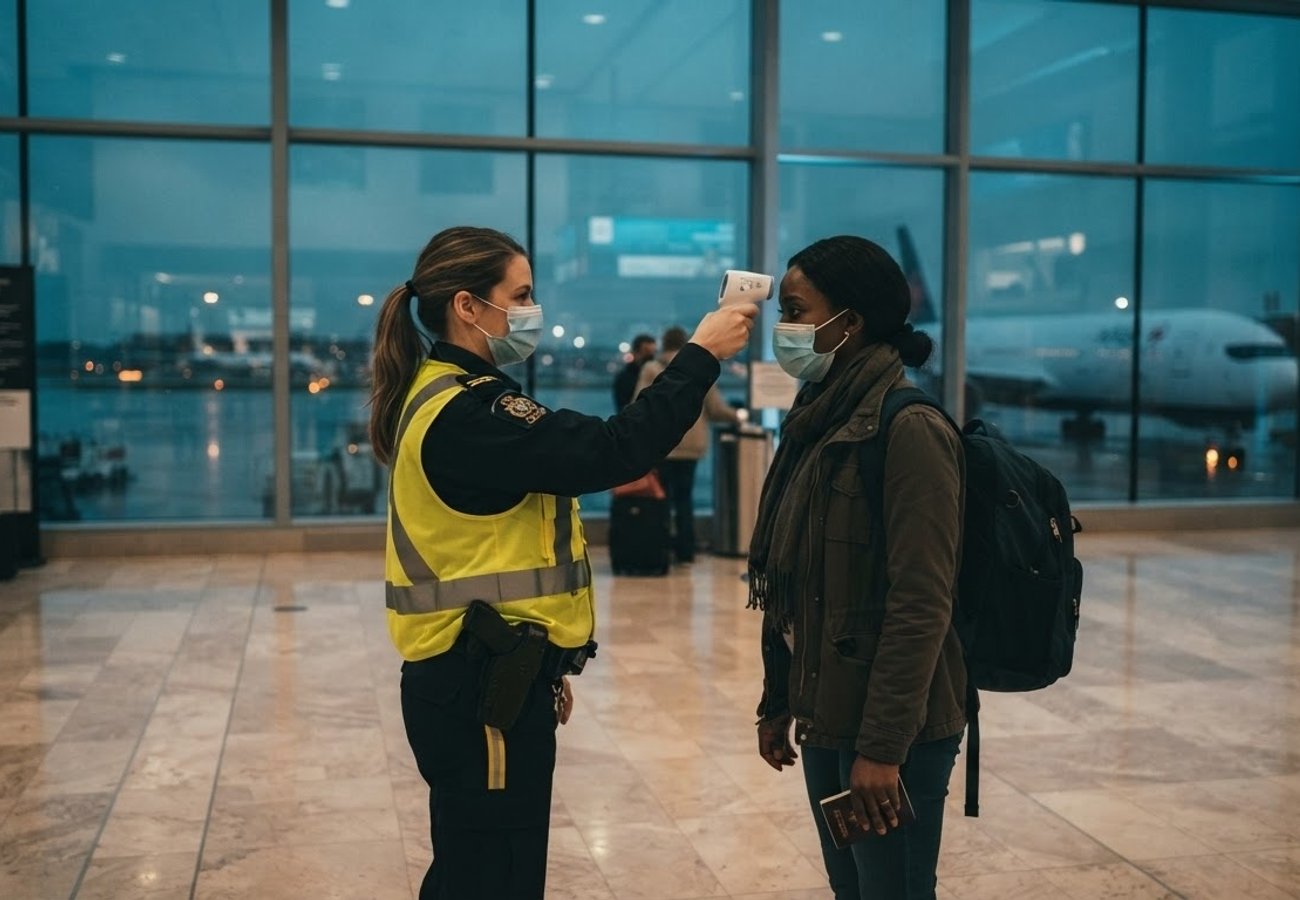
Image generated by AI
Canada has extended temporary border precautions regarding Ebola until September 28, 2026, specifically targeting travelers from the Democratic Republic of Congo (DRC), Uganda, and South Sudan. These measures include strict entry restrictions and a mandatory 21-day health monitoring window for affected nationals.
The extension is a precautionary response to the ongoing Ebola outbreak centered in the Democratic Republic of Congo. While Health Canada reports zero cases within national borders and maintains that the domestic risk remains low, the severity of the virus has prompted the government to maintain heightened surveillance of international arrivals from high-risk African regions.
Regional Surveillance and Entry Restrictions
The Democratic Republic of Congo remains the primary focus of these health measures. Due to continued transmission and the complexities of controlling the disease in affected areas, Canada has implemented stringent barriers for foreign nationals. Specifically, individuals who have visited the DRC within the previous 21 days are subject to entry restrictions, and airlines are prohibited from boarding these passengers on direct or connecting flights to Canada.
Beyond the DRC, Canada has aligned its surveillance to include Uganda and South Sudan. Although Uganda has successfully managed its internal outbreak and completed specific monitoring requirements, its geographic proximity to the DRC and the volume of cross-border movement necessitate continued inclusion in Canada's health-related border measures. Similarly, South Sudan is classified as a high-risk location due to regional migration patterns and humanitarian trade routes that could facilitate the spread of the virus.
Transit Protocols and Quarantine Specifications
Travelers arriving from the designated high-risk zones are subject to rigorous health assessments upon landing. The protocols are divided based on the physical condition of the traveler at the point of entry.
| Traveler Status | Required Action | Duration/Condition |
|---|---|---|
| Symptomatic | Immediate isolation at medical facilities | Until cleared by health authorities |
| Asymptomatic | Health evaluation and mandatory quarantine | 21-day monitoring period |
| DRC Visitors (Foreign Nationals) | Entry restriction / Boarding prohibition | 21 days since last visit |
| Visa/Permit Holders | Suspension of immigration documents | Until September 28, 2026 |
The 21-day quarantine period is strictly calibrated to the Ebola incubation timeline, ensuring that any delayed onset of symptoms is identified before the individual enters the general community.
Immigration and Visa Impact
The health crisis has directly impacted the administrative side of Canadian immigration. The government has suspended the issuance and validity of immigration documents for residents who listed the DRC, Uganda, or South Sudan as their last country of residence.
This suspension applies regardless of whether the applicant holds an approved visa, permit, or electronic travel authorization (eTA). While Immigration, Refugees and Citizenship Canada (IRCC) continues to process applications, final decisions and the issuance of documents remain paused until the temporary measures expire on September 28.
Traveler Logistics Guide: Navigating High-Risk Transit
From a ground-level perspective, the best way to navigate these restrictions is to maintain a detailed, dated travel log of every country entered within the last 30 days. Because Canada’s rules are based on a rolling 21-day window, a stopover in a non-restricted country (such as Kenya or Tanzania) does not "reset" the clock if you were in the DRC, Uganda, or South Sudan within the preceding three weeks.
Logistics Recommendations:
- Connection Planning: Avoid "hidden city" ticketing or complex routings that involve transit through the DRC or South Sudan if your final destination is Canada.
- Documentation: Carry digital and physical copies of your vaccination records, although the current Canada mandate focuses on quarantine rather than vaccination for entry.
- Digital Transit Policies: Ensure your travel insurance specifically covers "epidemic-related quarantine." Standard policies often exclude government-mandated isolations.
- Visa Holders: If you hold a valid Canadian visa but reside in one of the three affected countries, contact your nearest Canadian consulate to determine if a special humanitarian exemption is available for urgent travel.
Infrastructure and Global Health Impact
The extension of these measures occurs as the African tourism sector continues its recovery. While major hubs like South Africa, Morocco, and Egypt remain unaffected, the restrictions on the DRC, Uganda, and South Sudan highlight the volatility of international mobility during health crises.
Canada's approach extends beyond border control. Since the World Health Organization declared the outbreak in May 2026, Canada has provided financial aid to affected nations and authorized clinical trials for an Ebola vaccine led by Moderna. This integrated strategy aims to stabilize the region to eventually restore full transit connectivity between Africa and North America.
The balance between global mobility and biosafety remains a primary challenge for 2026 transit corridors.
Related Travel Guides
Disclaimer
This article is for informational and educational purposes only. It does not constitute legal, financial, or professional advice. While we strive to provide accurate and up-to-date information, travel policies, regulations, and conditions change rapidly. Always verify information with official sources before making travel decisions. Nomad Lawyer makes no representations about the accuracy, reliability, completeness, or suitability of the information provided. Readers should consult qualified professionals for advice specific to their circumstances. The views expressed in this article are those of the author and do not necessarily reflect the views of Nomad Lawyer.