
Canada Enhances International Visa Security With Encrypted Biometric Data Protection Systems in 2026
Canada implements advanced encryption for biometric data, ensuring visa applicants' fingerprints and photographs are securely transferred without local storage at collection centers.

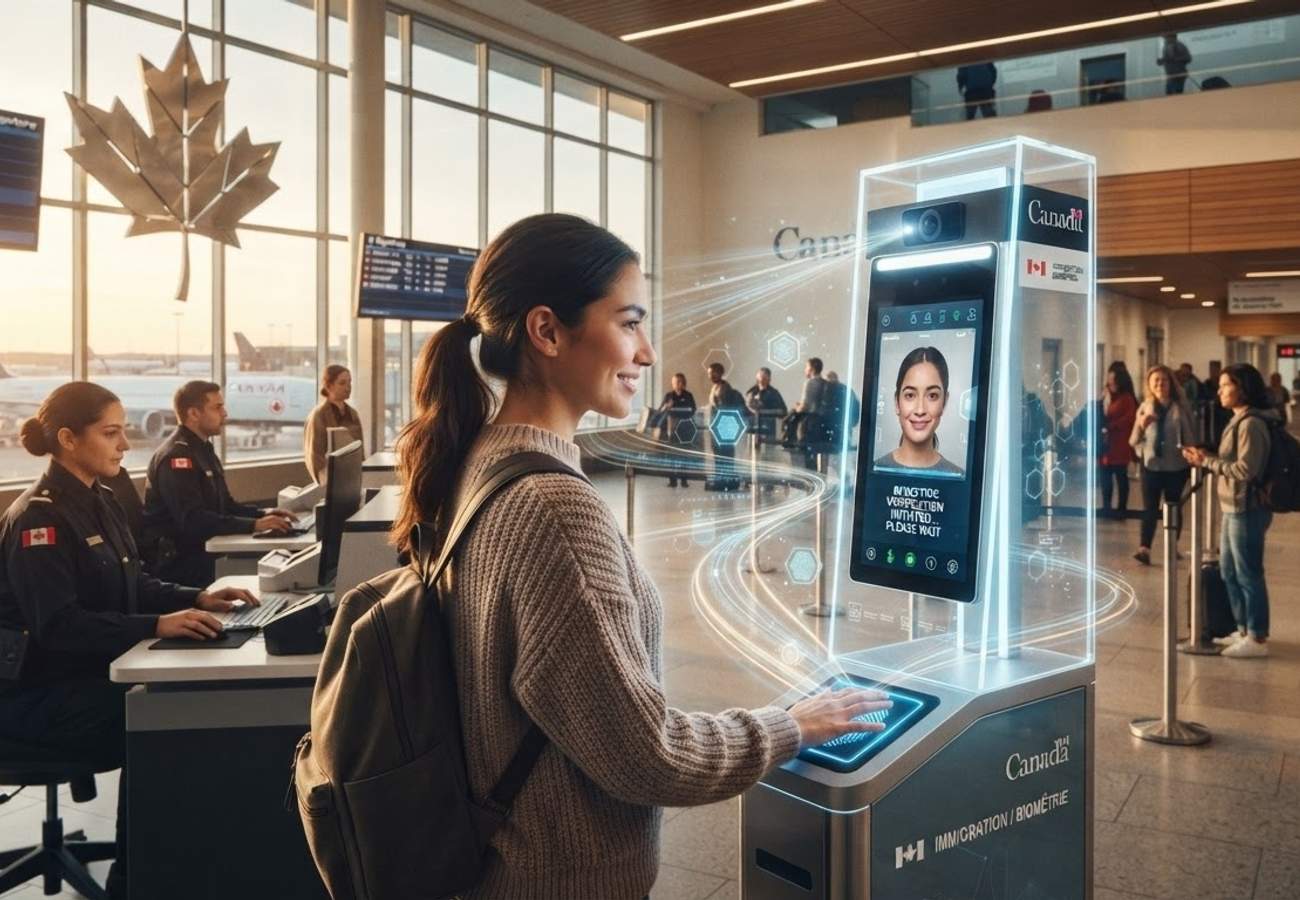
Image generated by AI
Canada has eliminated local data storage at biometric collection centers, utilizing end-to-end encryption to transfer fingerprints and photographs directly to government systems.
The Shift Toward Zero-Storage Biometric Verification
Canada is redefining the intersection of national security and traveler privacy through a modernized identity verification framework. For international visitors, students, and workers, the biometric process—consisting of digital fingerprints and photographs—is no longer just a regulatory hurdle but a secured digital handshake.
The core of this evolution is the removal of data residency at the point of collection. Authorized biometric centers now act solely as conduits. Once a traveler's biometric markers are captured, the information is immediately encrypted and transmitted to the Government of Canada. The collection sites do not retain any copies of this sensitive data, effectively removing the risk of local breaches or unauthorized third-party access.
Cultural and Environmental Value of Digital Identity
For the visitor, the real impact is the reduction of "administrative friction." By moving away from physical document reliance and toward a secure digital identity, Canada is supporting a more sustainable, paperless immigration process. This shift aligns with broader regional goals to reduce the environmental footprint of government bureaucracy.
Beyond efficiency, this system protects the integrity of the regional heritage by ensuring that those entering the country for tourism, education, or work are verified with absolute precision. This prevents identity misuse and ensures that the benefits of Canadian hospitality and infrastructure are accessed by genuine applicants. The reliance on encrypted pathways reflects a commitment to digital ethics, ensuring that while the border is secure, the individual's right to data privacy is respected.
Visitor Insider Tips
Navigating the biometric requirement is essential for a seamless entry. To avoid delays, travelers should consider the following:
- The Appointment Window: Schedule your biometric appointment immediately after receiving your Biometric Instruction Letter (BIL). During peak visa seasons (typically June through August), slots at authorized centers fill up rapidly.
- Document Readiness: Ensure your passport is valid for at least six months beyond your intended stay. Any discrepancy between your passport details and your biometric application can trigger a manual review, delaying your visa.
- Local Etiquette: When visiting collection centers, arrive 15 minutes early. These centers operate on strict schedules; arriving late often results in a forfeited appointment and a required re-booking.
- Digital Tracking: Keep a digital copy of your biometric submission confirmation. While the data is encrypted and stored by the government, having your own confirmation receipt helps resolve any technical glitches at the port of entry.
Tourism and Immigration Outlook
The long-term impact of this secure biometric framework is a heightened level of confidence for global nomads and high-value travelers. By integrating encryption into the very first step of the journey, Canada is positioning itself as a leader in "Trust-Based Travel."
As the system evolves, the goal is to create a frictionless border experience where the biometric data provided during the visa stage allows for faster processing upon arrival. This infrastructure supports the continued growth of Canada's tourism and education sectors by removing the anxiety associated with data privacy in an era of increasing digital surveillance.
Securing the identity of the traveler is the first step in welcoming them to the Great White North.
Related Travel Guides
Disclaimer
This article is for informational and educational purposes only. It does not constitute legal, financial, or professional advice. While we strive to provide accurate and up-to-date information, travel policies, regulations, and conditions change rapidly. Always verify information with official sources before making travel decisions. Nomad Lawyer makes no representations about the accuracy, reliability, completeness, or suitability of the information provided. Readers should consult qualified professionals for advice specific to their circumstances. The views expressed in this article are those of the author and do not necessarily reflect the views of Nomad Lawyer.
Raushan Kumar
Founder & Lead Developer
Full-stack developer with 11+ years of experience and a passionate traveller. Raushan built Nomad Lawyer from the ground up with a vision to create the best travel and law experience on the web.
Learn more about our team →