
Europe's 2026 Tourism Tech Revolution: Montenegro Joins Germany, France, Italy
Montenegro aligns with Germany, France, Italy, Spain, and Iceland in Europe's 2026 tourism revolution, combining digital innovation with sustainability strategies to reshape travel management.

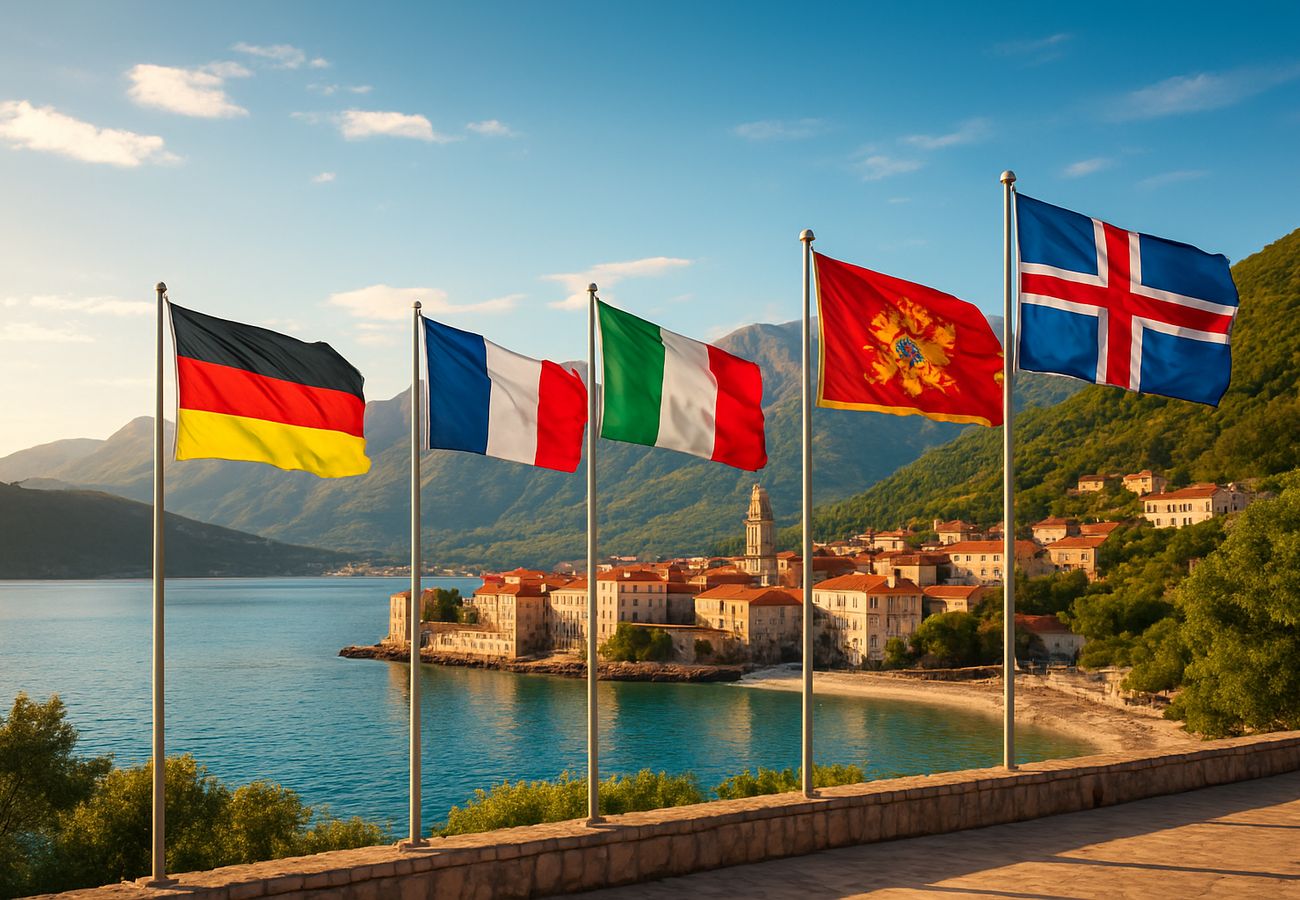
Image generated by AI
Montenegro Emerges as European Tourism Leadership Hub
Montenegro has positioned itself at the forefront of Europe's tourism transformation, joining Germany, France, Italy, Spain, and Iceland in a coordinated shift toward technology-driven and sustainability-focused travel management. During the European Travel Commission (ETC) assembly, the country demonstrated how it has evolved from a seasonal coastal destination into a model for balanced tourism development.
The Bay of Kotor, a UNESCO-protected site, provided symbolic and practical grounding for discussions centered on preserving cultural heritage while managing rising visitor demand. This backdrop underscored Europe's growing recognition that tourism growth must be managed responsibly rather than measured solely through arrival statistics.
A New Tourism Philosophy: Beyond Visitor Numbers
The ETC's strategic shift reflects a fundamental reorientation toward destination management over destination marketing. Tourism boards across Europe are moving beyond advertising campaigns toward long-term visitor orchestration supported by digital technology.
This transformation was philosophically anchored in the Reykjavík Declaration, signed by 35 ETC member tourism boards during the 110th General Meeting in late 2025. The declaration introduced a people-centered tourism model emphasizing resident well-being, environmental preservation, and cultural protection.
Reddit: "The shift away from just 'more tourists' toward 'better tourism' is exactly what destinations like Iceland and Montenegro understand." — r/travel
Under this framework, tourism success is no longer measured exclusively by hotel occupancy rates or visitor arrivals. Instead, attention focuses on evaluating how tourism contributes to local livelihoods, cultural continuity, and ecological resilience.
Miguel Sanz Castedo Secures ETC Leadership Continuity
Miguel Sanz Castedo, Director General of Turespaña (Spain's national tourism board), was re-elected as President of the European Travel Commission for a second three-year term during the 111th General Meeting. Since assuming office in 2023, Sanz has overseen efforts to strengthen cooperation among European national tourism organizations.
Under his leadership, sustainability metrics have been gradually integrated into international tourism campaigns, while collaboration between tourism ministries and European institutions expanded significantly. A major priority identified for his second term is developing the future European Strategy for Sustainable Tourism, a policy framework designed to support better visitor distribution across major tourism hubs and lesser-known regional destinations.
The strategy specifically targets reducing seasonal tourism pressures affecting Mediterranean and urban destinations throughout Europe. Through this approach, tourism revenues are expected to be distributed more evenly while protecting resident quality of life.
Iceland's Appointment Signals Sustainability Focus
Arnar Már Ólafsson, Director General of the Icelandic Tourist Board, was appointed as ETC Vice-President, reflecting the organization's increasing focus on sustainability-oriented governance. Iceland's tourism policies have long been recognized as a leading model for balancing rapid growth with environmental protection and community well-being.
With decades of experience in tourism research and public policy, Ólafsson is expected to contribute significant expertise toward the ETC's evolving climate and visitor management agenda. The broader leadership structure was strengthened further through representatives from Lithuania and Montenegro, creating a geographically diverse governing alliance.
Digital Platforms Reshape European Tourism Governance
A defining feature of the 2026 transformation is the integration of major private-sector digital travel platforms as ETC associate members. Booking.com, Skyscanner, GetYourGuide, and Feratel were formally incorporated into the organization's operational structure, creating direct connection between public tourism policy and private-sector consumer data.
Booking.com will assist tourism boards by identifying traveler behavior trends and promoting certified sustainable accommodations in less crowded destinations. GetYourGuide strengthens local tourism economies by giving smaller regional operators greater visibility within international markets.
Feratel's role focuses on deploying advanced destination management systems and real-time monitoring tools that help authorities regulate tourism capacity more effectively. Meanwhile, Skyscanner's travel demand forecasting and mobility data enable tourism authorities to anticipate shifts in visitor flows weeks before they occur.
Germany, France, Italy, Spain, and other ETC member states supported this partnership model as a practical mechanism for implementing sustainable tourism objectives. As documented by industry research platforms, destination management technology continues to evolve as a critical infrastructure for modern tourism governance.
Climate Change Reshapes Tourism Behavior Across Europe
Climate change emerged as one of the most urgent themes during the ETC assembly. Research from Booking.com's 11th Annual Travel & Sustainability Report revealed that climate-related concerns are already reshaping global tourism behavior.
Extreme weather events, rising summer temperatures, and overtourism are increasingly influencing destination choices. A large majority of travelers now actively evaluate climate risks before booking trips, with many modifying or canceling travel plans due to environmental disruptions. This trend is particularly significant across Mediterranean and Alpine regions where climate volatility directly affects tourism infrastructure and visitor safety.
The ETC's integration of sustainability metrics reflects this reality. Tourism authorities in Germany, France, Italy, Spain, Iceland, and Montenegro are actively supporting greener travel systems and community-focused tourism models to address these shifting traveler priorities. Research on climate impacts on tourism continues to demonstrate how environmental factors drive both policy and consumer behavior.
The Future of European Tourism Governance
Europe's tourism industry is entering a new era where digital transformation, environmental responsibility, and smarter destination management converge to reshape global travel. The 2026 strategic framework establishes measurable pathways for operationalizing sustainability principles while leveraging technology to distribute tourism benefits more equitably across regions.
The coalition spanning Montenegro, Germany, France, Italy, Spain, and Iceland demonstrates that Europe's most influential tourism destinations recognize sustainable growth as both an ethical imperative and economic necessity.
The future of European travel belongs to destinations that can balance growth with preservation.
Related Travel Guides
Middle East Aviation Disruption: FlyDubai, Air Arabia Cancel and Delay 34 Flights Across Key Routes
Middle East Airspace Chaos: Dubai Airport Delays & Regional Flight Restrictions
Disclaimer
This article is for informational and educational purposes only. It does not constitute legal, financial, or professional advice. While we strive to provide accurate and up-to-date information, travel policies, regulations, and conditions change rapidly. Always verify information with official sources before making travel decisions. Nomad Lawyer makes no representations about the accuracy, reliability, completeness, or suitability of the information provided. Readers should consult qualified professionals for advice specific to their circumstances. The views expressed in this article are those of the author and do not necessarily reflect the views of Nomad Lawyer.
Preeti Gunjan
Contributor & Community Manager
A passionate traveller and community builder. Preeti helps grow the Nomad Lawyer community, fostering engagement and bringing the reader experience to life.
Learn more about our team →