
Canada Issues Emergency Travel Alert for Spain and Portugal Amid Uncontrolled Wildfires in Madrid, Ávila, and Alijó 2026
Canada has issued an emergency travel alert for Spain and Portugal as uncontrolled wildfires in Madrid, Ávila, and Alijó trigger mass evacuations and disrupt peak summer tourism across Southern Europe.

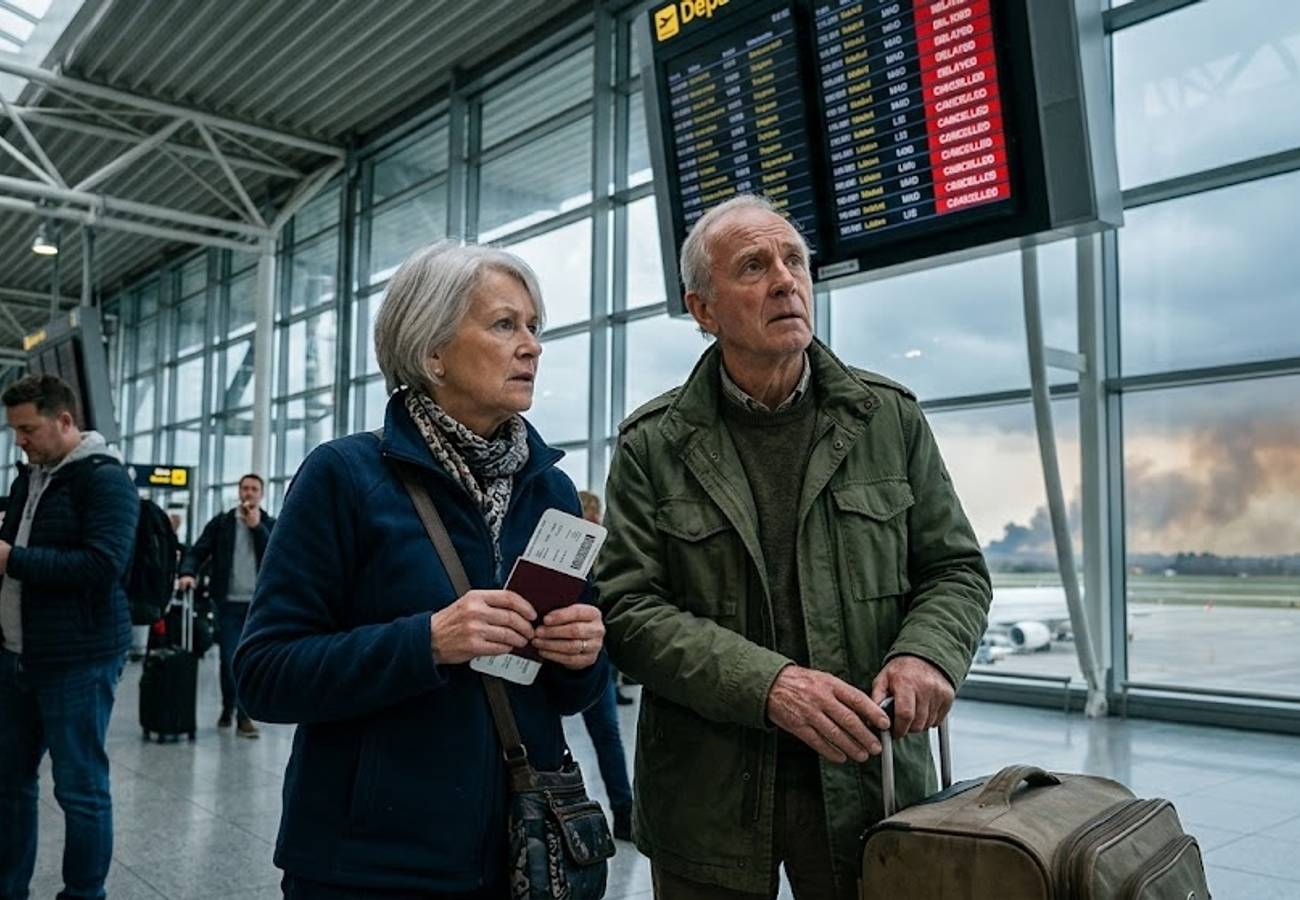
Image generated by AI
Millions of summer travelers are facing sudden itinerary shifts as Canada issues an emergency travel alert for Spain and Portugal. Uncontrolled wildfires in Madrid, Ávila, and Alijó have triggered mass evacuations and strict restricted zones.
The traditional European summer holiday is colliding with a severe environmental crisis. Extreme heat and desiccated vegetation have fueled fast-moving fires across the Iberian Peninsula, prompting international governments to warn citizens about the volatility of rural travel. While major urban hubs and coastal resorts remain operational, the interior regions—specifically those attracting nature enthusiasts and cultural tourists—are now high-risk zones.
The Local Trend Revealed: The Shift Toward "Climate-Aware" Itineraries
We are seeing a fundamental shift in how international visitors approach Southern Europe. The "unpredictability factor" is no longer a fringe concern but a primary travel variable. In Spain, the hotspots of Madrid and Ávila are currently under intense monitoring. The Madrid region is particularly critical due to its dense population and its role as a gateway to popular countryside retreats.
In Ávila, located in Castilla y León, the impact is felt most heavily in the outdoor sector. This province, prized for its historic heritage and mountain trekking, is seeing hiking routes closed and rural accommodations evacuated. Similarly, in Portugal, the municipality of Alijó in the Vila Real district is facing significant pressure. This is a critical blow to the Douro Valley's wine tourism, where scenic landscapes and vineyard tours are the primary draw.
Cultural & Environmental Value: The Impact on Regional Heritage
For the visitor, the real impact isn't just the smoke or the road closures; it is the threat to the very cultural landscapes they come to see. The Douro Valley and the mountains of Castilla y León are not just "scenery"—they are living heritage sites. When wildfires sweep through these regions, they destroy centuries-old vineyards and historic rural architecture.
The current crisis underscores a growing need for sustainable, low-impact tourism. The surge of visitors during peak heat increases the strain on local water resources and accidentally raises the risk of human-caused ignitions. By shifting travel to "shoulder seasons" (spring or autumn), visitors can support these local economies without contributing to the peak-summer environmental stress.
Regional Risk Breakdown: Southern Europe 2026
The crisis extends beyond the Iberian Peninsula, affecting several Mediterranean nations.
| Country | Primary Risk Zones | Specific Travel Disruptions |
|---|---|---|
| Spain | Madrid, Ávila, Castilla y León | Evacuation orders, road closures, restricted rural zones |
| Portugal | Alijó, Northern Forests, Central Regions | Hiking restrictions, smoke impacts, vineyard access limits |
| France | Southwestern regions, Gironde | Campsite closures, coastal forest evacuations |
| Italy | Sicily, Calabria, Southern regions | Localized closures, transport changes in rural areas |
| Greece | Islands and mainland fire-prone areas | Outdoor activity closures, emergency evacuation warnings |
Visitor Insider Tips: Navigating the Fire Season
If you are currently in or planning a trip to Southern Europe, standard travel apps are not enough. You need hyper-local data.
- The "Golden Window" for Visiting: Avoid the peak heat of July and August. The best time to visit these rural regions is late September to October, when the landscapes recover and the risk of fire drops significantly.
- Local Alert Systems: Download official regional emergency apps (such as those provided by the Spanish Protección Civil or Portuguese ANEPC). Do not rely solely on your home country's embassy alerts, as they may lag behind local real-time updates.
- Dining & Support: When rural hotels are evacuated or closed, look for "Slow Food" certified establishments in safer, nearby towns. Supporting these small-scale producers helps the local economy recover from tourism losses.
- Cultural Etiquette: If you are in a restricted zone, do not attempt to bypass barriers for a "photo op." Local firefighting teams are under immense pressure; interfering with their perimeter is not only dangerous but can lead to immediate legal penalties.
Tourism Outlook: The Long-Term Forecast
The 2026 season marks a turning point. We expect to see a permanent change in how tourism is managed in Spain and Portugal, with a move toward "de-concentration." Rather than funneling millions into a few hotspots during July, regional tourism boards are likely to incentivize visits to less vulnerable areas or different timeframes.
The Canadian government's decision to issue a specific, detailed alert reflects a global trend: travel guidance is evolving from general safety tips to real-time climate risk management. For the modern nomad, flexibility is no longer a luxury—it is a requirement.
Stay alert, stay flexible, and prioritize the safety of local communities over the perfection of a planned itinerary.
Related Travel Guides
Disclaimer
This article is for informational and educational purposes only. It does not constitute legal, financial, or professional advice. While we strive to provide accurate and up-to-date information, travel policies, regulations, and conditions change rapidly. Always verify information with official sources before making travel decisions. Nomad Lawyer makes no representations about the accuracy, reliability, completeness, or suitability of the information provided. Readers should consult qualified professionals for advice specific to their circumstances. The views expressed in this article are those of the author and do not necessarily reflect the views of Nomad Lawyer.
Preeti Gunjan
Contributor & Community Manager
A passionate traveller and community builder. Preeti helps grow the Nomad Lawyer community, fostering engagement and bringing the reader experience to life.
Learn more about our team →