
Canada Emerges as Top Cool-Climate Summer Destination: Banff, Jasper, Tofino, Whistler and Charlevoix Lead 2026 Travel Shift
Canada is overtaking traditional summer hotspots as travelers pivot toward 'climate escape travel,' prioritizing the cooler alpine and coastal environments of Banff, Jasper, Tofino, Whistler, and Charlevoix to avoid extreme global heat.

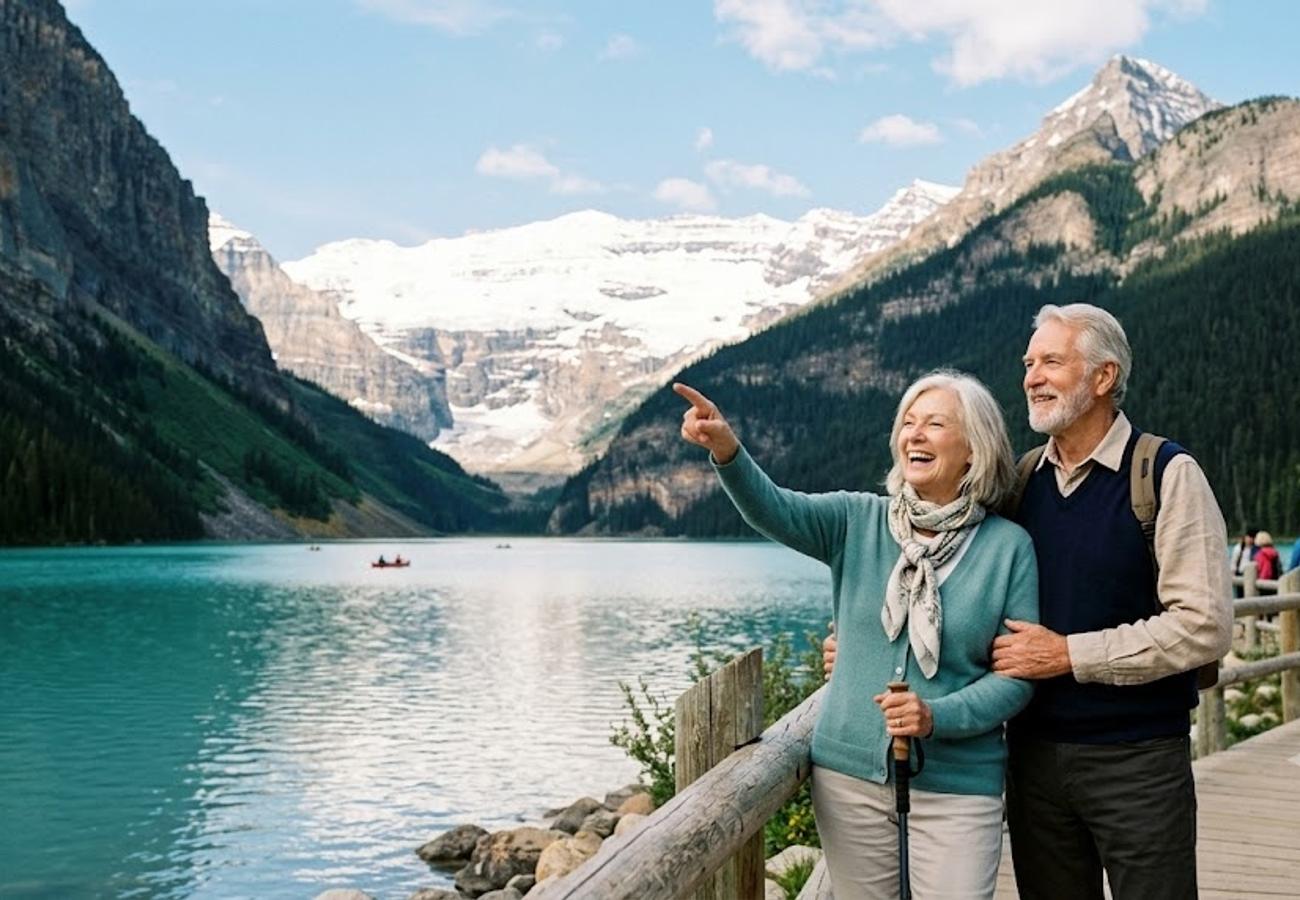
Image generated by AI
Global travel patterns are shifting as extreme summer temperatures drive a surge in "climate escape travel," with Canada now overtaking traditional heat-stricken hotspots. Travelers are increasingly swapping crowded Mediterranean beaches and scorching urban centers for the alpine air of the Rockies and the temperate rainforests of the Pacific coast.
The Rise of the Cool-Climate Escape
The transition toward Canada as a primary summer hub is driven by a demand for wellness, sustainable tourism, and physical comfort. As traditional holiday destinations face rising temperatures, Canada’s diverse geography—ranging from glacier-fed lakes in Alberta to the maritime breezes of Vancouver Island—offers a viable alternative for high-end and adventure tourism.
This shift is not merely about temperature; it is a movement toward "slow travel." Visitors are prioritizing meaningful interactions with nature, such as stargazing in Dark Sky Preserves or hiking through ancient forests, over the high-density tourism typical of southern summer hubs.
Regional Transit and Destination Profiles
The following destinations have been identified as the primary drivers of this cool-climate boom, each offering distinct logistical advantages and environmental appeals.
| Destination | Primary Appeal | Key Transit/Attractions | Climate Feature |
|---|---|---|---|
| Banff National Park | Alpine Scenery | Lake Louise, Moraine Lake, Banff Gondola | Crisp mountain air & glacial cooling |
| Jasper National Park | Wilderness & Quiet | Maligne Lake, Athabasca Falls, SkyTram | Dark Sky Preserve & high-altitude air |
| Tofino | Ocean & Rainforest | Pacific Rim National Park Reserve | Pacific Ocean maritime breezes |
| Whistler | Year-round Adventure | Peak 2 Peak Gondola, Alpine Meadows | High-elevation temperature regulation |
| Charlevoix | Culture & River Views | St. Lawrence River, Boutique Inns | Temperate river-valley climate |
Destination Analysis: Logistics and Infrastructure
The Rocky Mountain Corridor (Banff & Jasper)
Banff continues to lead the surge in Alberta. To manage the influx of "climate escapees," Parks Canada has implemented expanded shuttle services to Lake Louise and Moraine Lake. This reduces private vehicle congestion and protects the fragile alpine ecosystem.
To the north, Jasper has focused on recovery following recent wildfire events. The destination is now fully reopened, emphasizing its status as one of the world's largest Dark Sky Preserves. For travelers, the transit between Banff and Jasper via the Icefields Parkway remains one of the most scenic yet logistically demanding drives in North America.
The Pacific Coast (Tofino & Whistler)
Tofino leverages the Pacific Ocean to maintain moderate temperatures. Logistics here center around Vancouver Island; most visitors arrive via Comox Valley or Nanaimo before proceeding to the rugged west coast.
Whistler has successfully rebranded its summer identity. By utilizing its high elevation, the resort maintains a pleasant climate that attracts those fleeing the heat of Vancouver or the US Sun Belt. The Peak 2 Peak Gondola serves as the primary transit artery for accessing high-alpine vistas without the need for strenuous climbing.
The Eastern Gateway (Charlevoix)
In Québec, Charlevoix offers a blend of maritime and mountain influences. The region is characterized by its proximity to the St. Lawrence River, which regulates local temperatures. Transit in this region is heavily focused on scenic drives and river cruises, integrating local gastronomy with nature-based tourism.
Traveler Logistics Guide: Navigating the Cool-Climate Shift
From a ground-level perspective, the best way to navigate these destinations during the peak summer surge is through strategic planning and digital integration.
1. Managing National Park Access For Banff and Jasper, do not rely on spontaneous arrival. Parks Canada now heavily prioritizes pre-booked shuttle reservations for high-traffic areas like Moraine Lake. From an operational standpoint, arriving at the shuttle hubs 30 minutes early is the only way to guarantee seamless transit.
2. Connectivity and Transit Hubs When visiting Tofino, be aware that the final leg of the journey involves winding roads. Renting a 4WD vehicle is recommended for those venturing off the main coastal paths. For those visiting Charlevoix, coordinating with boutique inns for local shuttle services is more efficient than relying on standard ride-share apps, which have limited coverage in the rolling hills of Québec.
3. Digital Transit Policies Travelers should ensure all travel documents are digitized. While Canada is streamlining entry, utilizing official government portals for customs and park permits prevents bottlenecks at entry gates, particularly during the 2026 peak season.
Infrastructure Impact Assessment
The pivot toward Canada is forcing a rapid evolution in regional infrastructure. We are seeing a transition from "seasonal" staffing to "year-round" operational models in places like Whistler and Tofino. The increased demand for cool-climate retreats is driving investment in sustainable lodging and low-impact transit solutions, such as electric shuttles in national parks.
Furthermore, the "climate escape" trend is redistributing tourism wealth from traditional southern hubs to northern corridors, prompting provinces like Alberta and British Columbia to increase funding for wilderness preservation and road maintenance to accommodate the higher passenger volumes.
Canada's geography is no longer just a scenic backdrop; it is now a strategic asset in the global fight against summer heat exhaustion.
Related Travel Guides
Disclaimer
This article is for informational and educational purposes only. It does not constitute legal, financial, or professional advice. While we strive to provide accurate and up-to-date information, travel policies, regulations, and conditions change rapidly. Always verify information with official sources before making travel decisions. Nomad Lawyer makes no representations about the accuracy, reliability, completeness, or suitability of the information provided. Readers should consult qualified professionals for advice specific to their circumstances. The views expressed in this article are those of the author and do not necessarily reflect the views of Nomad Lawyer.
Raushan Kumar
Founder & Lead Developer
Full-stack developer with 11+ years of experience and a passionate traveller. Raushan built Nomad Lawyer from the ground up with a vision to create the best travel and law experience on the web.
Learn more about our team →