Canada Updates Travel Advisories for Key Caribbean Destinations

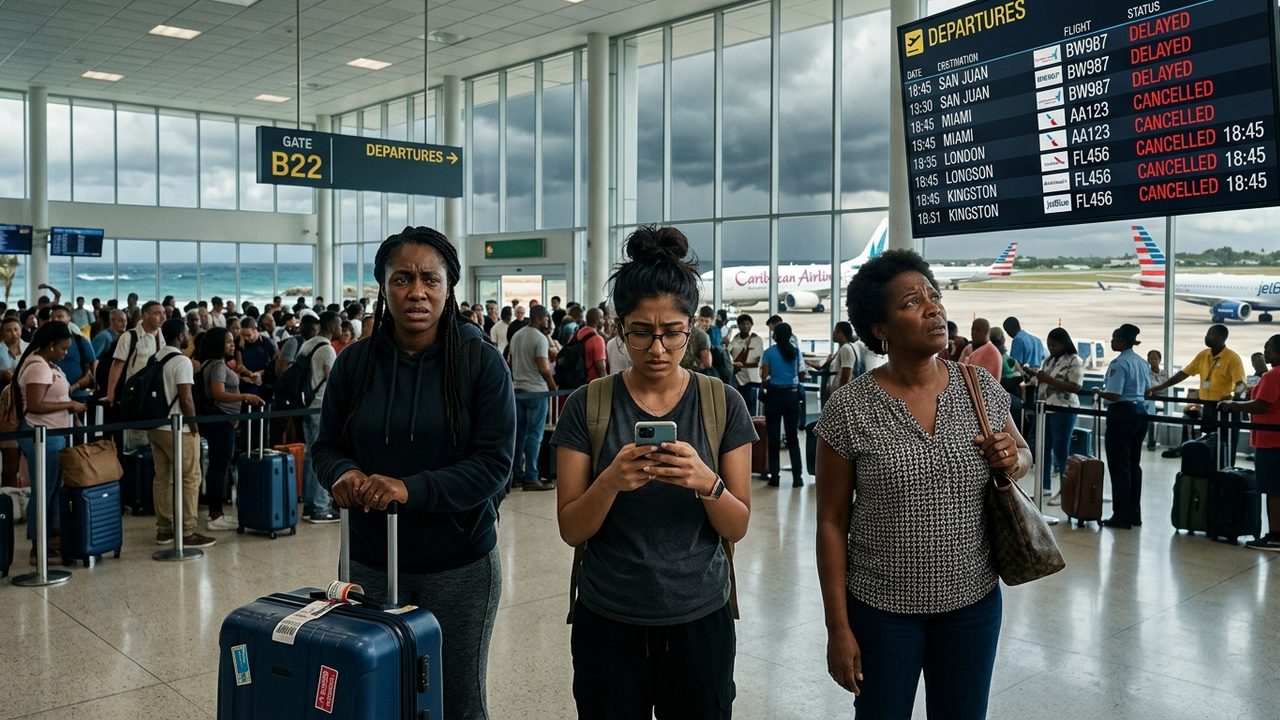
Image generated by AI
The Government of Canada has issued updated travel guidance for Puerto Rico, the US Virgin Islands, and the British Virgin Islands. The revisions prioritize safety awareness regarding seasonal weather disruptions and emergency preparedness.
The Core Development
Canadian federal authorities have adjusted the official travel advisory framework for several high-traffic Caribbean hubs. The updates focus on environmental risks and infrastructure vulnerabilities that may impact international tourists.
These changes come amid a surge in demand from North American travelers for winter sun holidays, luxury yachting, and cruise tourism. The guidance is designed to ensure travelers maintain high levels of preparedness during peak tourism seasons, particularly concerning tropical storm activity.
Key Facts Breakdown
- Affected Regions: Puerto Rico (US), US Virgin Islands, and British Virgin Islands (UK).
- Primary Risks: Hurricanes, tropical storms, and subsequent transportation disruptions.
- Operational Status: Major airports and cruise ports remain operational, though subject to temporary weather-related closures.
- Official Sources: Guidance aligns with the US National Weather Service, the Virgin Islands Territorial Emergency Management Agency, and the UK Foreign, Commonwealth & Development Office.
- Recommended Actions: Travelers are urged to review insurance for weather disruptions and register with official notification systems.
Regional Safety Overview
| Destination | Jurisdiction | Primary Focus of Advisory | Key Agency for Monitoring |
|---|---|---|---|
| Puerto Rico | United States | Coastal/low-lying region risks | US National Weather Service |
| US Virgin Islands | United States | Transport & infrastructure stability | VI Territorial Emergency Management Agency |
| British Virgin Islands | United Kingdom | Maritime and aviation flexibility | UK Foreign, Commonwealth & Development Office |
Why This Matters
Industry observers note that these updates are not "warnings" to avoid travel, but rather a shift toward risk-mitigation for the modern traveler. By updating advisories during rising demand, the Canadian government is addressing the gap between high tourist volumes and the inherent volatility of Caribbean weather patterns.
Our analysis suggests that as cruise connectivity increases, the concentration of passengers in small island jurisdictions heightens the impact of any single weather event. The emphasis on "flexible planning" indicates a growing industry trend where travelers are expected to bear more responsibility for contingency planning via comprehensive insurance and real-time monitoring.
Industry Outlook
Market trends suggest that demand for the Caribbean remains inelastic despite these advisories. Tourism flows are expected to stay strong due to high repeat-visitor rates and the expansion of luxury sailing in the British Virgin Islands. Future advisories will likely lean more heavily on digital integration, urging travelers to utilize real-time app-based alerts rather than static government web pages.
Related Travel Guides
This article is for informational purposes. Flight routes, passenger regulations, visa rules, and transit advisories are subject to change by airlines and aviation authorities. Readers are advised to verify schedules and travel documentation with relevant carriers and border agencies before departure.
Related Stories

Delta Flight DL2498 In-Flight Lavatory Vaping Triggers Smoke Alarm Before Newark Landing, Sparking Safety Alert on Airbus A321neo

Toronto Pearson Airport Issues Urgent Health Advisory Following Measles Exposure in Terminal 1 from Inbound Ethiopian Airlines Flight ET552