Canada Deploys AI-Powered Smart Travel Networks Across Quebec, Ontario, and Alberta

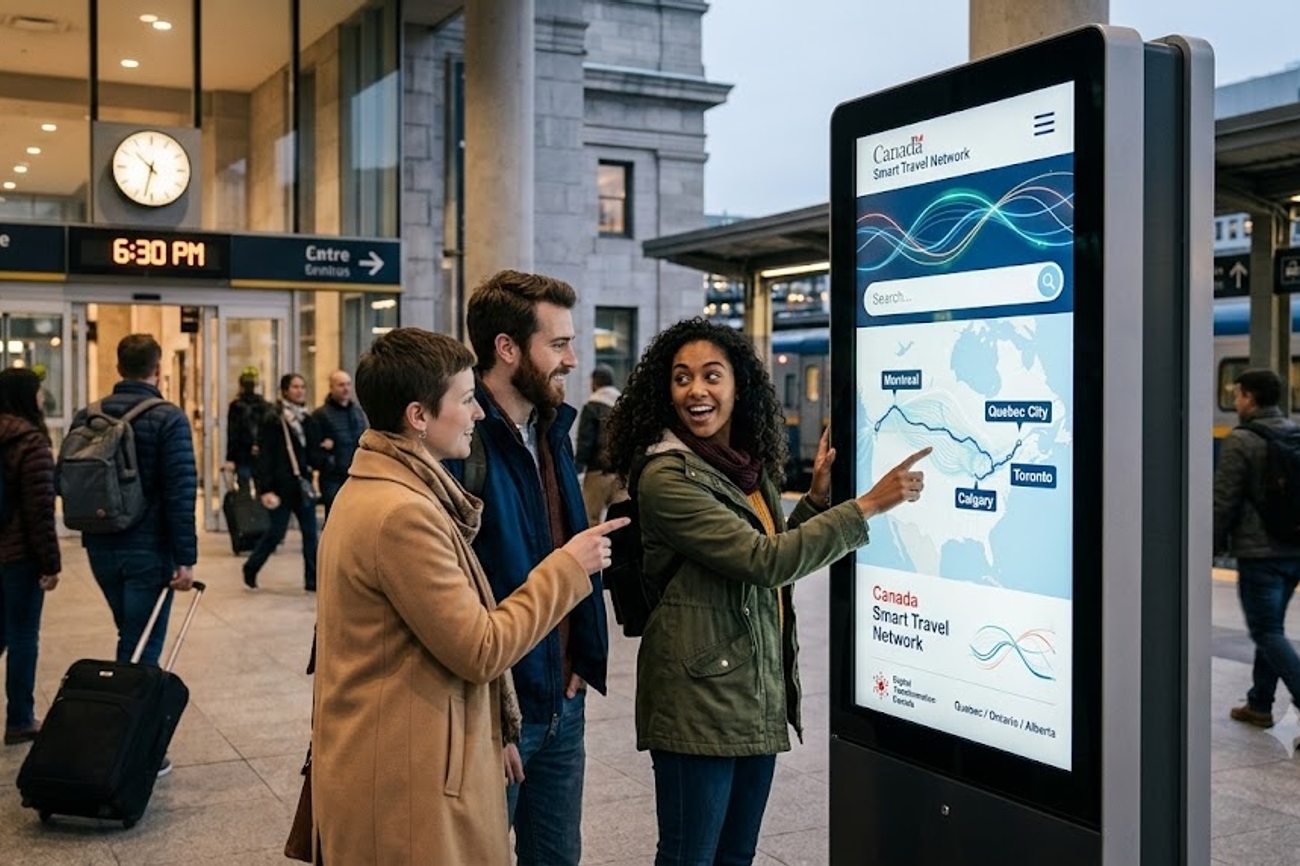
Image generated by AI
The Disruption Details
The Canadian federal government has initiated a systemic overhaul of its tourism infrastructure through the "Canada AI tourism evolution." This strategic pivot, guided by the Tourism 2030: A World of Opportunity strategy, seeks to break a long-standing revenue ceiling of $140 billion.
On September 4, 2026, Prime Minister Mark Carney launched Digital Transformation Canada, a federal agency tasked with digitizing government services for international visitors. This follows the "AI for All" strategy introduced on June 4, 2026, which prioritizes the adoption of responsible AI and the scaling of domestic AI firms to ensure digital sovereignty.
Flight & Airport Impact Breakdown
The integration of these smart networks is designed to reduce friction at primary transit hubs and regional gateways. Our analysis of the rollout indicates the following focal points:
- Border & Entry Points: Implementation of improved digital processing at international borders to reduce wait times.
- Airport Infrastructure: Deployment of highly secure biometric boarding systems to accelerate passenger flow.
- National Parks: Transition to AI-driven automated permit systems to eliminate bureaucratic delays for travelers.
- Regional Hubs (Quebec): A $13.8 million injection via the Regional Artificial Intelligence Initiative (RAII) on July 15, 2026, supporting 63 organizations to optimize transport fleets and multilingual services.
- Data Integration: The Canadian Tourism Data Collective now synthesizes international flight bookings and real-time geolocation trends to optimize resource allocation.
Passenger Rights & Advisory
For the international traveler, the transition to AI-driven infrastructure changes how entry and service disputes are handled.
Biometric and Digital Processing For the affected passenger, the shift to biometric boarding and automated permits means a reduction in manual documentation. However, if AI-driven systems fail at the border or during boarding, passengers should maintain digital and physical backups of all travel authorizations.
Service Level Expectations Our analysis of the policy suggests that as Quebec and other provinces integrate machine learning for dynamic pricing and customer service, travelers may see more volatile pricing for boutique hotels and regional tours. Passengers are advised to book fixed-rate packages where available to avoid AI-driven price surges during peak demand.
Compensation and Redress While these networks improve efficiency, technical glitches in automated government systems do not typically trigger financial compensation under aviation frameworks like EU261. However, for delays caused by biometric system failures at airports, passengers should immediately request a "Statement of Delay" from the carrier or airport authority to support insurance claims.
Industry Analyst View
The move toward a "Data Collective" model indicates that Canada is shifting from passive tourism management to predictive orchestration. By targeting a top-seven global ranking for visitor volume, Canada is leveraging its procurement power to build a domestic AI ecosystem. The $13.8 million investment in Quebec alone demonstrates a move toward hyper-localization, where AI is used not just for high-level data, but for operational efficiency in boutique and indigenous tourism sectors.
Related Travel Guides
This article is for informational purposes. Flight routes, passenger regulations, visa rules, and transit advisories are subject to change by airlines and aviation authorities. Readers are advised to verify schedules and travel documentation with relevant carriers and border agencies before departure.
Related Stories

Dubai Introduces Digital Nol QR Tickets for Metro, Buses and Trams as Visitors Gain a Paper-Free Travel Option

Argentina Prepares for Three Specialist Conferences Linking Tourism Policy, Education and Interactive Technology