
Uruguay Launches National Smart Destination Model to Revolutionize Tourism Through Data and Innovation
Uruguay implements a National Model of Smart Tourist Destinations across nine regions to integrate data, sustainability, and accessibility into tourism.

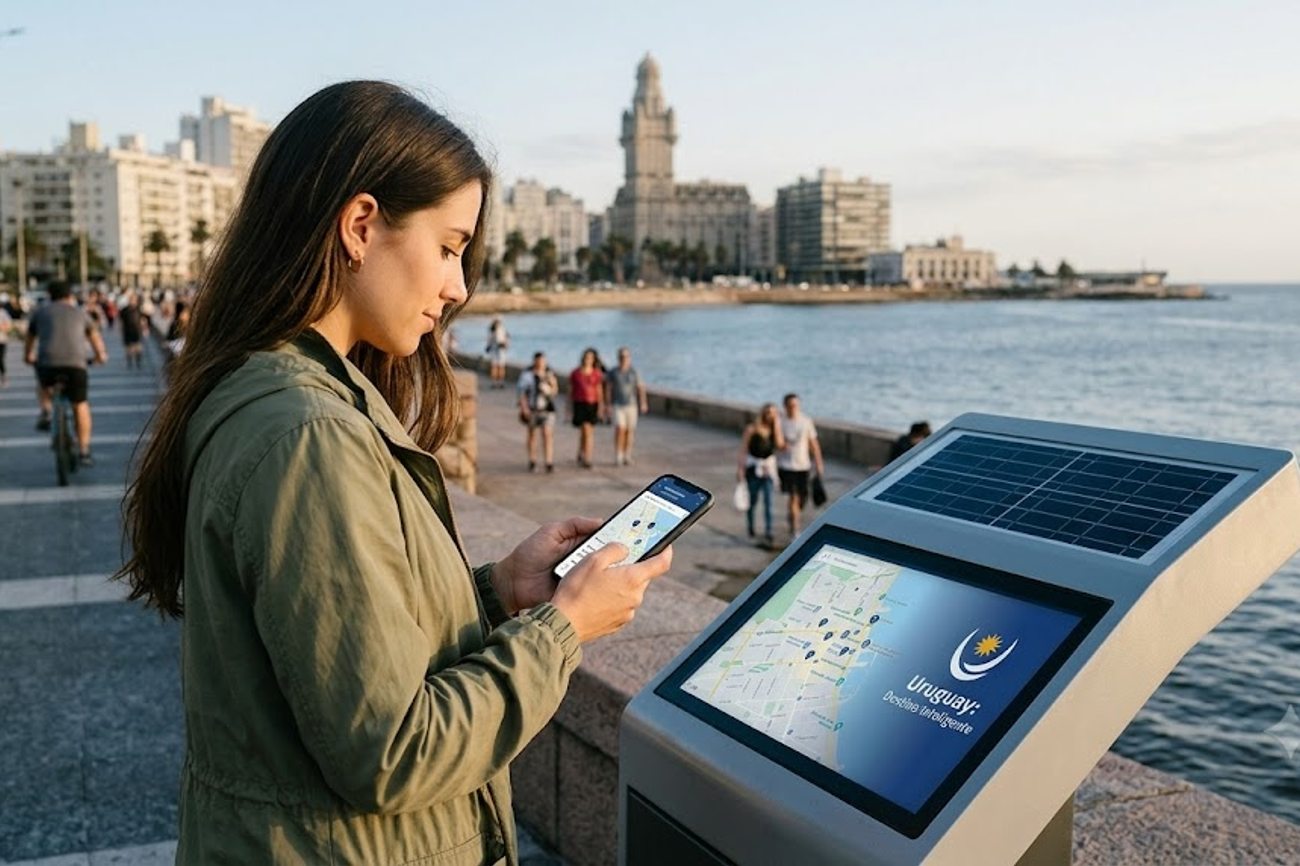
Image generated by AI
[Montevideo, September 7, 2026] — Uruguay has officially unveiled a National Model of Smart Tourist Destinations, a strategic overhaul designed to integrate advanced technology, sustainability, and evidence-based management into its tourism sector. This initiative marks a definitive shift away from traditional, perception-based planning toward a sophisticated system where data and innovation dictate the growth and management of travel hubs.
By implementing this framework, the Uruguayan government aims to provide local authorities with the analytical tools necessary to evaluate current performance, pinpoint operational weaknesses, and deploy targeted improvements. The strategy focuses on utilizing measurable evidence to understand visitor behavior and identify emerging market opportunities, ensuring that the evolution of the country's tourism infrastructure is both efficient and inclusive.
Transitioning to Data-Driven Tourism Management
The shift toward a smart destination ecosystem reflects a global trend where the value of a travel destination is no longer measured solely by its physical attractions or the presence of digital tools. Instead, the focus has moved toward the ability to manage resources with precision and improve the overall quality of life for the residents who live within these tourist zones.
Under this new national strategy, the Uruguayan Ministry of Tourism is fostering a collaborative environment that bridges the gap between government bodies, private sector enterprises, academic institutions, and local community leaders. This interconnected approach ensures that information is shared fluidly, allowing destinations to pivot quickly in response to the fluctuating expectations of modern international travelers.
Industry observers indicate that this model is designed to move beyond the superficial application of technology. Rather than simply deploying more apps or digital kiosks, the focus is on "intelligent management"—using data to make high-level decisions that enhance competitiveness and accessibility on a national scale.
Five Strategic Pillars Driving Tourism Transformation
The National Model of Smart Tourist Destinations is built upon five core pillars. These foundational elements serve as the roadmap for how every participating region will modernize its operations.
Governance The first pillar emphasizes a restructured approach to leadership. By strengthening the cooperation between public officials, private business owners, and local stakeholders, Uruguay intends to create a coordinated strategy where tourism growth does not conflict with the needs of the local population.
Innovation The second pillar encourages a culture of experimentation. Destinations are tasked with exploring new service models and management techniques to remain agile. This allows regions to adapt to shifting global travel trends and the evolving demands of the "digital nomad" and experiential traveler.
Technology While technology is the third pillar, it is treated as a means to an end rather than the goal itself. The focus is on enhancing data collection and operational efficiency. The objective is to use digital solutions to support better decision-making processes at the administrative level.
Sustainability Recognizing the risks of uncontrolled growth, the fourth pillar mandates that tourism expansion be balanced with environmental stewardship. This ensures that resource management is responsible and that the economic benefits of tourism are distributed sustainably across the community for the long term.
Accessibility The final pillar focuses on inclusivity. By designing destinations that are accessible to a broader range of travelers, including those with limited mobility or specific needs, Uruguay aims to capture a wider segment of the global tourism market.
Nine Initial Destinations Selected for Smart Integration
The first phase of the program will be deployed across nine specifically selected destinations. These locations were chosen to represent a diverse cross-section of Uruguay's geography and tourism profiles, ensuring the model is tested in various environments.
The selected destinations for the first phase include:
- Artigas
- Ciudad de la Costa
- Durazno
- Flores
- Fray Bentos
- Maldonado
- Paysandú
- Piriápolis
- Villa Soriano
The selection process was facilitated through a call for participation supported by the Ibero-American Network of Smart Tourist Destinations (RIDTI), with additional assistance provided by Fonplata.
By including both established tourist hotspots and emerging rural destinations, the government aims to prevent "tourism clustering" in major cities. This balanced ecosystem allows smaller towns to access the same high-level analytical tools as major hubs, helping them uncover their hidden potential and close service gaps.
Montevideo as the Blueprint for National Expansion
The national rollout is not starting from zero; it is heavily informed by the existing successes in Montevideo. The capital city has already served as a testing ground for smart tourism principles, utilizing the Smart Tourist Destination system developed by Segittur.
Montevideo’s experience in applying international standards of intelligent management has provided the necessary data and "lessons learned" to scale the model nationwide. The capital's ability to integrate digital services with urban management has set the benchmark for the other nine participating regions.
Why This Matters: The Impact on the Traveler and Resident
For the traveler, this shift means a move toward "frictionless" tourism. When a destination is managed via a smart model, the visitor experience becomes more personalized and less congested. For example, data-driven crowd management can reduce wait times at popular sites, while improved accessibility ensures that travel is inclusive for all demographics.
From a logistical standpoint, this creates a more resilient tourism economy. By relying on evidence rather than assumptions, Uruguay can avoid the common pitfall of "overtourism," where a destination's popularity destroys the very charm that attracted visitors in the first place.
For the local resident, the focus on governance and sustainability means that tourism is no longer something that "happens to" a town, but something that is managed for the benefit of the community. The integration of local stakeholders into the governance pillar ensures that infrastructure improvements—such as better roads or waste management—benefit the citizen as much as the tourist.
Related Travel Guides
Disclaimer
This article is for informational and educational purposes only. It does not constitute legal, financial, or professional advice. While we strive to provide accurate and up-to-date information, travel policies, regulations, and conditions change rapidly. Always verify information with official sources before making travel decisions. Nomad Lawyer makes no representations about the accuracy, reliability, completeness, or suitability of the information provided. Readers should consult qualified professionals for advice specific to their circumstances. The views expressed in this article are those of the author and do not necessarily reflect the views of Nomad Lawyer.
Kunal K Choudhary
Co-Founder & Contributor
A passionate traveller and tech enthusiast. Kunal contributes to the vision and growth of Nomad Lawyer, bringing fresh perspectives and driving the community forward.
Learn more about our team →