
California Contra Costa County Tackles Severe Overtourism Across Mount Diablo Parklands
Mount Diablo State Park and EBRPD parks face severe overtourism as 30M annual visitors drive $50K rescue costs and habitat degradation.

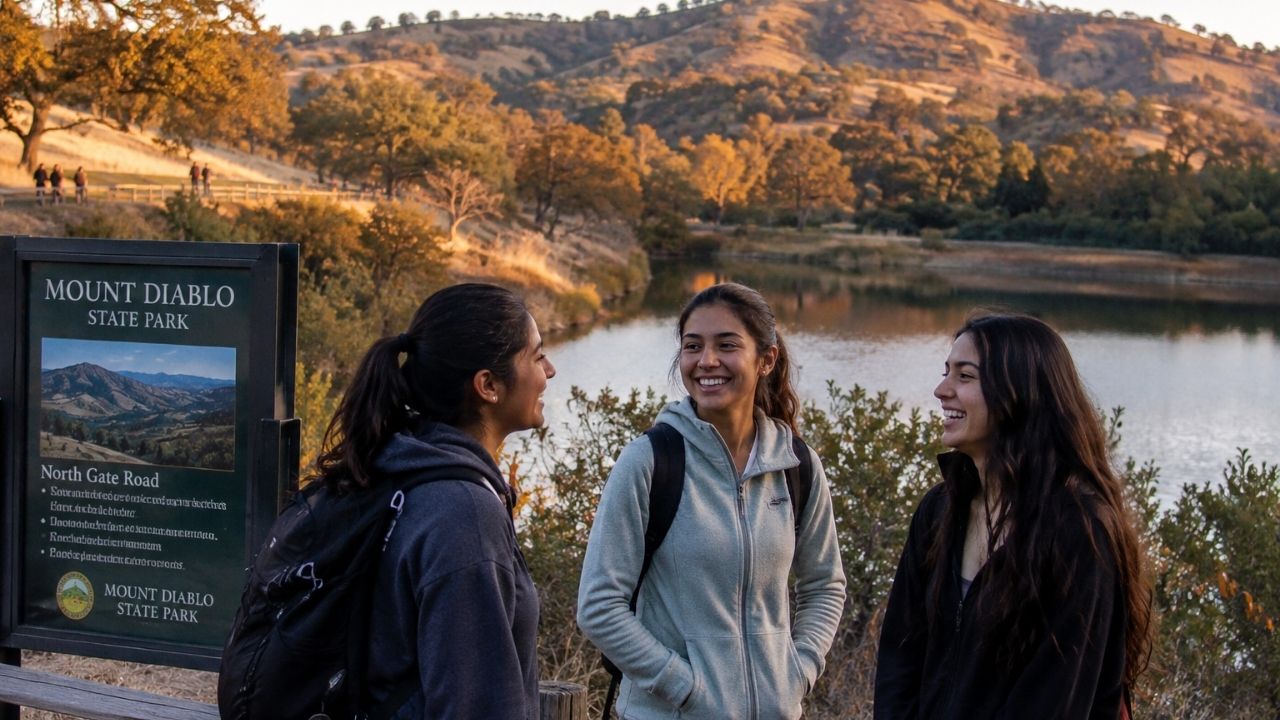
Image generated by AI
Environmental monitoring reports confirm that severe localized overtourism is causing ecological degradation, traffic bottlenecks, and mounting financial deficits across protected parklands in Contra Costa County, California. With the East Bay Regional Park District system recording up to 30 million annual visits and Mount Diablo State Park absorbing over 1 million visitors into its 20,000-acre core, municipal authorities are deploying timed-entry reservations, shuttle-only corridors, and commercial impact fees.
[WALNUT CREEK, California, Sept. 1, 2026] — Municipal planners and parkland managers across Contra Costa County are responding to escalating overtourism pressure across the region's protected open spaces. Official visitor data released by the East Bay Regional Park District (EBRPD) reveals that regional parks across Alameda County and Contra Costa County accommodate between 25 million and 30 million annual visits.
Simultaneously, Mount Diablo State Park—managed under California State Parks—absorbs over 1 million annual visitors into its compact 20,000-acre core reserve. Weekend visitation surges during spring wildflower blooms in Mitchell Canyon and clear autumn periods routinely exceed staging capacity, causing extreme traffic congestion along rural access corridors and straining municipal public safety infrastructure.
Severe Visitation Pressure Mounts Across Mount Diablo Core and East Bay Parks
The concentration of day-tripper traffic originating from the broader San Francisco Bay Area places extraordinary stress on park infrastructure designed for baseline regional usage. Staging areas quickly fill to capacity, leading to unauthorized roadside parking along narrow canyon access routes including South Gate Road and North Gate Road.
This continuous influx of day-visitors generates severe localized overtourism, impacting rural residential communities near Walnut Creek, Clayton, and Danville. Unmanaged crowd density degrades natural trail conditions, increases public safety hazards, and creates persistent operational challenges for county emergency services.
Watershed Siltation and Ecological Damage in Walnut Creek and Marsh Creek Basins
Unregulated foot and mountain bike traffic has generated extensive networks of unauthorized "social trails" cutting through protected flora. Off-trail movement destroys native plant cover and causes severe topsoil compaction, preventing natural rainfall absorption.
During storm events, heavy surface runoff washes destabilized topsoil into the Walnut Creek Watershed and Marsh Creek Watershed drainage systems. Elevated stream turbidity smothers aquatic spawning beds, degrades freshwater habitats, and disrupts ecological food chains, compromising water quality throughout local drainage basins.
Backcountry Rescue Costs Exceed $50,000 as Wildfire Risks Escalate in WUI Zones
Remote medical evacuations and heat-illness rescues across steep Mount Diablo terrain require multi-agency emergency responses. Specialized helicopter airlifts from isolated backcountry locations routinely exceed $50,000 per incident, placing substantial financial and operational burdens on the Contra Costa County Fire Protection District and local sheriff’s departments.
Furthermore, overcrowded park staging areas dramatically escalate wildfire risks within designated high-hazard Wildland-Urban Interface (WUI) zones. Vehicles parked illegally on dry roadside grass create severe ignition hazards while blocking emergency response access along narrow mountain access roads. During fast-moving wildfire emergencies, these choke points endanger both park visitors and adjacent homeowners.
Municipal Fiscal Strain: Local Taxpayers Subsidize Non-Resident Access Infrastructure
Heavy vehicular traffic on feeder routes such as Ygnacio Valley Road, Clayton Road, and Morgan Territory Road accelerates pavement deterioration, rutting, and structural road fatigue. Because local road repairs are funded through municipal property taxes rather than state park entrance fees, local taxpayers end up subsidizing road maintenance damaged primarily by non-resident regional visitors.
Additionally, high visitor turnover overburdens public restrooms, trash collection systems, and stormwater filtration facilities. Municipal public works departments incur growing operational deficits clearing overflowing refuse containers and filtering runoff before it reaches larger water bodies.
Overtourism Impacts and Policy Mitigation Matrix
| Impact Category | Identified Hidden Cost | Policy & Technical Solution | Direct Policy Source |
|---|---|---|---|
| Trail & Soil Erosion | Watershed siltation & habitat loss | Timed-entry reservation systems & temporary trail closures | California State Parks / EBRPD Policies |
| Wildfire & Safety Risk | Restricted emergency access & ignition hazards | Strict WUI parking enforcement & shuttle-only corridors | Contra Costa County General Plan (Health & Safety) |
| Fiscal Strain on Taxpayers | Unfunded park maintenance & emergency rescues | Regional park impact fees & dedicated parking revenues | Contra Costa County Public Works & Park Use Ordinance |
| Habitat Disruption | Fragmentation of protected species corridors | Expansion of protected land acquisitions via HCP Conservancy | East Contra Costa County HCP/NCCP |
Habitat Conservation Plan Enforces Habitat Protection for Threatened Species
The 174,018-acre Inventory Area governed by the East Contra Costa County Habitat Conservation Plan (HCP/NCCP) faces continuous disturbance from human encroachment. Uncontrolled off-trail hiking, litter accumulation, and unauthorized nighttime park access fragment contiguous ecological corridors required by protected fauna.
Disturbance directly threatens vulnerable wildlife species monitored under regional preservation frameworks, including the California red-legged frog, the Alameda whipsnake, the San Joaquin kit fox, and native raptors. To mitigate corridor fragmentation, municipal authorities are expanding land acquisitions through the East Contra Costa County Habitat Conservancy to establish permanent, connected wildlife corridors.
Sacramento–San Joaquin River Delta Shoreline Stress and Mitchell Canyon Botanical Strain
Beyond inland mountain peaks, heavy motorized boating and shoreline visitation inflict environmental stress along the Sacramento–San Joaquin River Delta coastline. High-density watercraft traffic churns up shallow benthic sediments, causing localized turbidity that blocks sunlight from aquatic vegetation. Waste accumulation, petroleum residue, and micro-plastics threaten marine life and impair estuarine water quality.
In the core of Mount Diablo State Park, seasonal crowds during spring wildflower blooms in Mitchell Canyon and Rock City lead to widespread off-trail trampling. Trampling damages rare endemic flora, including the sensitive Mount Diablo fairy lantern. Compacted soil alters canyon microclimates, reducing moisture retention and allowing invasive plant species to displace native flora.
Industry Impact Analysis: Scalable Municipal Strategies Against Park Overtourism
The overtourism crisis in Contra Costa County highlights the need for proactive municipal land-use management. Under framework directives from the Contra Costa County 2045 General Plan and the Climate Action and Adaptation Plan (CAAP), local leaders are implementing structured visitor controls.
Strategies include deploying timed-entry reservation platforms during peak wildflower seasons, establishing shuttle-only access corridors during high-hazard fire periods, and enacting regional park impact fees on commercial tour operators. These policy mechanisms create dedicated funding streams for search-and-rescue operations while ensuring that visitor volume remains within ecological carrying capacities.
Why This Matters: Essential Takeaways for California Outdoor Travelers
For outdoor enthusiasts planning visits to Mount Diablo State Park and East Bay regional parklands, adhering to regional management guidelines helps protect fragile ecosystems:
- Reserve Timed Entry Passes Early: Check California State Parks portals to secure required timed-entry reservations during peak spring wildflower seasons in Mitchell Canyon.
- Utilize Dedicated Park Shuttles: Use designated shuttle services when visiting Mount Diablo during high fire-risk periods to avoid parking violations in WUI zones.
- Stay Strictly on Marked Trails: Avoid creating or following unauthorized "social trails" to prevent severe topsoil erosion and protect habitats of the California red-legged frog and Alameda whipsnake.
- Park Only in Authorized Staging Areas: Park exclusively in designated spaces—parking on dry roadside grass is strictly prohibited due to extreme wildfire ignition hazards.
Frequently Asked Questions
What is the primary cause of overtourism in Contra Costa County parklands?
The main driver is the high concentration of visitors traveling from the broader San Francisco Bay Area to natural landmarks like Mount Diablo State Park and EBRPD trails on weekends and during peak seasonal wildflower blooms.
How expensive are backcountry search-and-rescue operations around Mount Diablo?
Helicopter airlifts and multi-agency medical rescues in isolated backcountry terrain around Mount Diablo routinely exceed $50,000 per incident, straining local fire district and sheriff budgets.
What measures are being taken to reduce wildfire risks caused by park traffic?
Local authorities enforce strict parking bans along dry-brush WUI corridors near South Gate and North Gate roads, deploy automated license plate counters, and mandate shuttle-only transit during peak fire seasons.
How does overtourism impact local county taxpayers?
Because local property taxes rather than state park entry fees fund county access road repairs and emergency response services, local taxpayers end up absorbing maintenance and rescue costs generated by regional visitors.
Related Travel Guides
Disclaimer
This article is for informational and educational purposes only. It does not constitute legal, financial, or professional advice. While we strive to provide accurate and up-to-date information, travel policies, regulations, and conditions change rapidly. Always verify information with official sources before making travel decisions. Nomad Lawyer makes no representations about the accuracy, reliability, completeness, or suitability of the information provided. Readers should consult qualified professionals for advice specific to their circumstances. The views expressed in this article are those of the author and do not necessarily reflect the views of Nomad Lawyer.
Raushan Kumar
Founder & Lead Developer
Full-stack developer with 11+ years of experience and a passionate traveller. Raushan built Nomad Lawyer from the ground up with a vision to create the best travel and law experience on the web.
Learn more about our team →