
Burkina Faso Launches Tourism Train Connecting Ouagadougou and Bobo-Dioulasso in 2026
Burkina Faso's Ministry of Tourism and SITARAIL have launched a dedicated Tourism Train service between Ouagadougou and Bobo-Dioulasso to stimulate domestic travel and cultural heritage exploration.

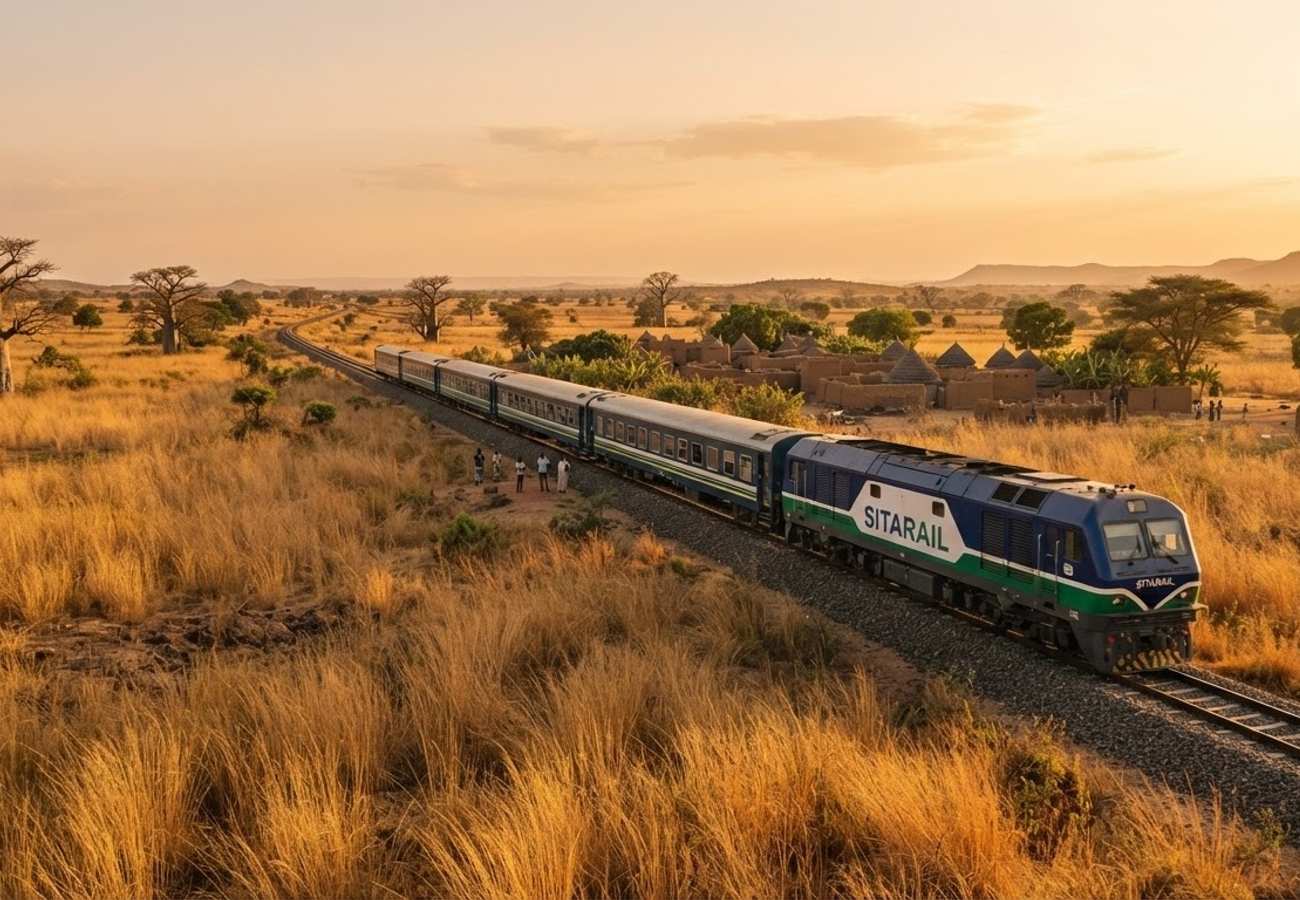
Image generated by AI
Burkina Faso has officially launched a dedicated Tourism Train linking the capital, Ouagadougou, and the cultural hub of Bobo-Dioulasso. The inaugural journey carried more than 300 passengers, marking the start of a national domestic tourism campaign aimed at reducing reliance on international arrivals.
Strategic Expansion of Rail Connectivity
The Ministry of Tourism, in a strategic partnership with SITARAIL, has introduced the Tourism Train to pivot the national travel strategy toward domestic resilience. By transforming rail transport from a simple utility into a curated visitor experience, the government aims to stimulate local economic activity and promote the country's internal heritage.
The initiative focuses on "slow travel," allowing passengers to engage with the landscape and regional traditions between the two most significant economic and cultural centers of the country. This shift is designed to benefit a wide array of local stakeholders, including hospitality providers, handicraft markets, and cultural guides.
Route Specifications and Service Parameters
The service specifically targets the corridor between the political heart of the nation and its primary cultural center.
| Parameter | Detail |
|---|---|
| Primary Route | Ouagadougou $\leftrightarrow$ Bobo-Dioulasso |
| Operating Partner | SITARAIL |
| Inaugural Passenger Count | 300+ passengers |
| Key Destinations | Ouagadougou (Administrative/Museums), Bobo-Dioulasso (Grand Mosque/Old Town) |
| Primary Objective | Domestic Tourism Campaign 2026 |
| Transport Mode | Dedicated Passenger Rail |
Traveler Logistics Guide: Navigating Burkina Faso by Rail
From a ground-level perspective, the best way to navigate this new service is to align your booking with the national tourism season, as these specialized trains often operate on a campaign-based schedule rather than a standard daily commute.
Booking and Connectivity Travelers should coordinate with SITARAIL for ticket availability. Because the Tourism Train is designed as an experience, expect longer dwell times at specific cultural landmarks compared to standard transit. If you are connecting from an international flight into Ouagadougou, allow at least 24 to 48 hours in the capital to clear customs and synchronize with the rail departure schedule.
Navigating the Hubs
- Ouagadougou: Focus on the administrative and museum districts. Use local registered guides to bridge the gap between the rail terminal and the city's cultural institutions.
- Bobo-Dioulasso: Upon arrival, the priority should be the historic old town and the Grand Mosque. The rail terminal serves as the primary gateway to the city's vibrant music and handicraft scenes.
Digital and Entry Policies While this service focuses on domestic travel, international visitors must ensure their visas are current and that they have registered their transit plans with the relevant authorities, as security protocols in the region can change rapidly.
Infrastructure and Regional Impact Assessment
The integration of the Tourism Train into the national infrastructure serves three primary functions:
- Economic Decentralization: By moving 300+ passengers in a single inaugural trip, the service demonstrates a capacity to shift spending from the capital into the regional economy of Bobo-Dioulasso.
- Environmental Sustainability: Shifting domestic transit from individual road vehicles to rail reduces regional road congestion and lowers the carbon footprint of the tourism sector.
- Cultural Preservation: The "slow exploration" model encourages visitors to interact with traditional crafts and local festivals, providing a direct financial incentive for communities to maintain their cultural heritage.
By positioning rail as a tourism product rather than just a transit tool, Burkina Faso is creating a scalable model for other West African nations seeking to revitalize their passenger rail networks.
A strategic pivot toward domestic rail is transforming how Burkina Faso preserves its heritage and drives local economic growth.
Related Travel Guides
Disclaimer
This article is for informational and educational purposes only. It does not constitute legal, financial, or professional advice. While we strive to provide accurate and up-to-date information, travel policies, regulations, and conditions change rapidly. Always verify information with official sources before making travel decisions. Nomad Lawyer makes no representations about the accuracy, reliability, completeness, or suitability of the information provided. Readers should consult qualified professionals for advice specific to their circumstances. The views expressed in this article are those of the author and do not necessarily reflect the views of Nomad Lawyer.
Kunal K Choudhary
Co-Founder & Contributor
A passionate traveller and tech enthusiast. Kunal contributes to the vision and growth of Nomad Lawyer, bringing fresh perspectives and driving the community forward.
Learn more about our team →