
Bulgaria's Regional Transit Divide: How Transport Bottlenecks Strand Foreign Tourists and Isolate Rural Economies
Bulgaria earns €4B in tourism, but 78% of regional transit lacks digital booking, trapping 50% of foreign spend in Burgas and isolating interior hubs.

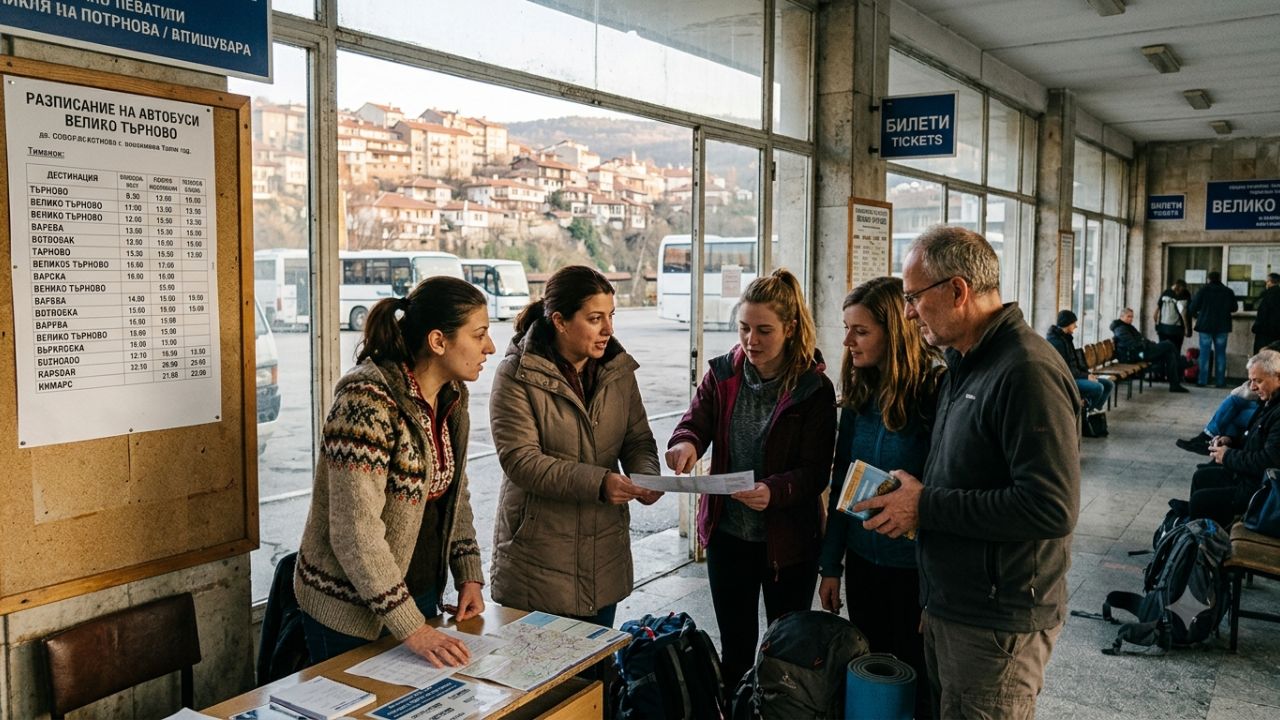
Despite welcoming over 13 million visitors annually, Bulgaria's non-digitized regional transit networks restrict traveler mobility beyond major gateways.
Bulgaria's inbound visitor economy is confronting a severe structural bottleneck, as outdated ticketing systems, un-digitized regional coach networks, and language barriers strand foreign travelers in major urban centers and starve rural heritage destinations of vital tourism capital. While the country generates approximately €4 billion in annual inbound tourism receipts across more than 13 million international arrivals, national transport data reveals that 78% of all domestic bus and rail routes completely lack digital booking capabilities. This technological void leaves over 50% of foreign visitor spending and overnight stays trapped exclusively within the coastal resort district of Burgas, while world-renowned interior cultural hubs—including Veliko Tarnovo, Gabrovo, and Kazanlak—collectively capture under 8% of international overnight stays.
The resulting mobility friction creates an acute paradox for a European Union member state that recently integrated its air and maritime borders into the Schengen Area. International arrivals land effortlessly at modern airport terminals in Sofia and Varna, only to hit an administrative wall the moment they attempt to navigate intercity transport to mountain retreats like Bansko or historic landmarks like the Rila Monastery. With local transit schedules largely untranslated, regional coach operators accepting only physical paper cash, and state railway journey times averaging seven to eight hours across a 440-kilometer cross-country corridor, independent travelers are increasingly forced to abandon secondary regional itineraries entirely.
                           ┌──────────────────────────────────────────────┐
                           │    Bulgaria Spatial Revenue Imbalance        │
                           └──────────────────────┬───────────────────────┘
                                                  │
                 ┌────────────────────────────────┴───────────────────────────────┐
                 ▼                                                               ▼
        ┌──────────────────────────────────┐                    ┌──────────────────────────────────┐
        │   Coastal Enclaves: Burgas       │                    │    Interior Heritage Centers     │
        ├──────────────────────────────────┤                    ├──────────────────────────────────┤
        │ • >50% of all international stays│                    │ • <8% of international stays     │
        │ • Direct resort transfers        │                    │ • Veliko Tarnovo, Gabrovo, Rila  │
        │ • Packaged charter arrivals      │                    │ • Isolated by fragmented transit │
        │ • Minimal domestic travel reach  │                    │ • Severe economic leakage        │
        └─────────────────┬────────────────┘                    └─────────────────┬────────────────┘
                          │                                                       │
                          └───────────────────────┬───────────────────────────────┘
                                                  │
                                                  ▼
                        ┌──────────────────────────────────────────────────┐
                        │        Core Operational Deficits (78% Non-Digital)│
                        ├──────────────────────────────────────────────────┤
                        │ • BDZ Rail: 440 km Sofia-Coast takes 7-8 hours   │
                        │ • Cyrillic-only timetables in secondary hubs     │
                        │ • Cash-only paper ticketing at regional bus desks│
                        │ • Uncalibrated contactless validators in Sofia   │
                        └──────────────────────────────────────────────────┘
The Revenue Paradox: €4 Billion Inbound Spend Trapped in Coastal Enclaves
Bulgaria’s national tourism accounts present a striking economic divergence. During peak summer months, hotel and resort revenues across the country reached over €346 million in a single month—marking an 11.4% year-over-year revenue increase supported by 2.22 million foreign visitor entries. Yet virtually none of the municipal tourism taxes or state revenues generated by this influx are reinvested into modernizing regional transit connectivity.
Municipalities funnel visitor tax receipts into general administrative accounts or localized street maintenance, neglecting the digital transit platforms required to connect international guests with the interior:
- Extreme Geographic Concentration: Regional financial records demonstrate that more than half of all international tourist expenditures remain locked within the seaside corridor of Burgas (including Sunny Beach and Nesebar).
- Deprived Provincial Economies: Small family guesthouses, artisan craft cooperatives, and independent wineries in central and northern Bulgaria struggle with chronically low mid-week occupancy because independent tourists cannot easily determine how to reach them.
- Overcrowded Resort Ghettos: Foreign tourists who might otherwise explore thracian tombs, rose valleys, and alpine monasteries remain sequestered in all-inclusive coastal compounds, curtailing the multiplier effect that decentralized travel provides.
       Spatial Distribution of International Overnight Stays in Bulgaria

  >50% ───────────────────────────────────────────────────► Burgas Coastal District
                                                            (All-inclusive package resorts)
                                            ┌───────────┐
  <8%  ──► Interior Heritage Centers        │ Revenue   │
        ┌───────────┐                       │ Chasm     │
        │ Inland    │                       │           │
        │ Towns     │                       └───────────┘
        └───────────┘
The table below outlines the core metrics, infrastructure disparities, and structural transport bottlenecks shaping Bulgaria's visitor economy:
| Transport Sector / Indicator | Current Operating Metric | Practical Operational Deficit | Economic and Consumer Consequence |
|---|---|---|---|
| Annual Tourism Economy | ~ €4.0 Billion Receipts | >13 Million international arrivals | Over 50% of foreign spending confined to Burgas coastal resorts |
| Peak Summer Influx | €346M / Month (+11.4%) | 2.22 Million foreign entries | Tourism tax revenues bypass regional transport modernization |
| Digital Booking Coverage | 78% Non-Digital Routes | Regional buses and rail rely on paper stubs | Foreigners forced to buy cash tickets at physical kiosk counters |
| Sofia–Black Sea Rail (BDZ) | 440 km Trunk Corridor | Speeds average 55–65 km/h (7–8 hrs total) | Train travel unviable; travelers pack crowded highway buses |
| Sofia Urban Transit Fare | 1.60 BGN (~€0.82) | Complex validation & hidden inspector fines | Non-Bulgarian speakers face penalty fees due to unclear rules |
| Bansko Nomad Corridor | 150 km from Sofia Airport | No integrated digital bus booking | >1,000 monthly nomads rely on expat forums for basic timetables |
| Rila Monastery Transit | >1 Million Annual Visitors | Highly restricted daily public bus departures | Non-drivers forced into expensive private taxis or rigid day tours |
| Land Border Transit (Schengen) | Kulata & Ruse Crossings | 60% of coach services lack digital manifests | Border coach bottlenecks cause delays ranging from 90 to 180 mins |
The Digital Ticketing Void: 78% of Domestic Routes Rely on Paper Stubs
While global travelers take mobile ticketing, real-time GPS tracking, and contactless payments for granted, traveling through provincial Bulgaria feels like stepping back three decades. National mobility surveys show that over one million domestic and intercity journeys occur each quarter, yet 78% of regional bus routes and state rail connections operate entirely offline.
State rail operator BDZ (Balgarski Darzhavni Zheleznitsi) and dozens of independent private bus operators maintain disconnected ticketing protocols:
- Cash-Only Point-of-Sale Terminals: Outside Sofia Central Bus Station, bus ticket booths in regional cities like Pleven, Blagoevgrad, and Ruse routinely refuse foreign-issued debit or credit cards, demanding exact change in Bulgarian Leva (BGN).
- Cyrillic-Only Display Boards: Terminal schedule monitors in secondary cities display departure destinations exclusively in the Cyrillic alphabet without Latin transliterations, turning routine platform navigation into an intimidating ordeal for foreign travelers.
- The Rise of "Makeshift Digital Help Desks": Because official transport bodies fail to provide centralized, translated schedule databases, expatriate Facebook forums and Reddit community boards have become the country’s de facto customer support desks. Thousands of bewildered tourists post daily queries asking basic questions about whether buses are operating or which unmarked dusty parking lot serves as the regional departure point.
                  Digital Accessibility Gap in Domestic Travel

     ┌────────────────────────────────────────────────────────┐
     │  78% of Regional Routes: Offline, Cash-Only, Paper Stubs │
     └────────────────────────────────────────────────────────┘
     ┌────────────────────────────────────────────────────────┐
     │  22% of Routes: Digitally Searchable via Central Tools │
     └────────────────────────────────────────────────────────┘
Urban Transit Friction: Sofia’s 1.60 BGN Fare System and Tourist Penalties
The navigation barrier begins immediately upon arrival in the capital. While a single trip on Sofia's municipal transit system (metro, trams, and trolleybuses) costs an affordable 1.60 BGN (approximately €0.82), the ticketing infrastructure features confusing validation requirements.
First-time visitors routinely face aggressive ticket inspection teams:
- Uncalibrated Card Readers: While contactless bank card validation is installed on trams and buses, readers frequently malfunction or display error messages exclusively in Bulgarian, leading passengers to believe their tap was successful when it was not.
- Strict Fine Enforcement: Transit controllers enforce rigid penalty fines without offering English explanations or allowing tourists to correct genuine validation errors on the spot, creating an adversarial civic environment that destroys visitor goodwill.
- Lack of Multilingual Signage: Outside the central Serdika and Sofia Airport metro stations, surface tram and bus shelters feature no system maps in English, forcing tourists to navigate multi-vehicle transfers blind.
Remote Work Bottlenecks: Bansko’s Nomad Corridor Disconnected From Transit Apps
The southwestern mountain town of Bansko has emerged as one of the world's most celebrated digital nomad sanctuaries, attracting over a thousand remote software engineers, entrepreneurs, and creatives every month during peak ski and summer seasons. The municipality boasts world-class coworking hubs, rapid fiber internet, and low corporate tax rates.
However, the physical journey connecting Sofia International Airport to Bansko remains an operational nightmare:
- The 150-Kilometer Bottleneck: The relatively short 150-kilometer trip between Sofia and Bansko takes three to four hours by coach, with departures scattered across separate, disconnected bus stations in Sofia (Central, Ovcha Kupel, and West).
- Zero Digital Integration: Foreign professionals arriving late at night cannot book seat reservations online via international travel platforms. They must navigate across the capital via taxi, hoping that physical tickets remain available at paper-only windows.
- Suppressed Weekend Mobility: Remote workers based in Bansko report that they rarely venture on spontaneous weekend excursions to Plovdiv or Veliko Tarnovo because cross-country public transit connections require days of manual research across fragmented online forums.
       Sofia–Coast Intercity Travel Options (440 km Corridor)

  Express Highway Coach ────────────────────────────────────► 5.5 to 6.5 Hours
                                                             (Comfortable but prone to
                                                              peak highway bottlenecks)
                                            ┌───────────┐
  BDZ State Passenger Train ────────────────► Slow Track│ 7.0 to 8.0 Hours
        ┌───────────┐                       │ (55 km/h) │ (Outdated rolling stock,
        │ Average   │                       │           │  lack of air conditioning)
        │ Speed     │                       └───────────┘
        └───────────┘
Heritage Isolation: Navigating to Rila Monastery and the Rodopi Without Cars
The cultural crown jewel of Bulgaria is the Rila Monastery, a 10th-century Eastern Orthodox sanctuary situated deep within the forested Rila Mountains that attracts over one million visitors every year. Despite its international renown, visiting the site via public transport requires extreme perseverance.
Public buses connecting Sofia to the monastery are limited to one or two daily departures operating from the remote Ovcha Kupel bus station on the city's outskirts. If an independent traveler misses the early morning departure, no secondary public alternative exists, forcing tourists into paying €80 to €120 for private taxis or joining rigid commercial tour bus excursions.
A similar connectivity void paralyses eco-tourism across the Rodopi and Pirin mountain ranges:
- 35,000 Kilometers of Trails Left Inaccessible: While the country maintains over 35,000 kilometers of marked hiking routes and pristine nature reserves around Smolyan, Pamporovo, and Devin, regional public minibuses run infrequently, often terminating services early in the afternoon.
- The Rental Car Mandate: Environmentally conscious travelers who prefer low-carbon rail and bus transit are effectively forced to rent private vehicles, defeating the purpose of sustainable eco-tourism and excluding non-driving international visitors.
Schengen Asymmetry: Seamless Air Gateways Meet Chaotic Land Border Buses
In March 2024, Bulgaria achieved partial Schengen integration, eliminating border passport controls for air and maritime travel to and from Schengen member states. Entering through Sofia or Varna airports is now effortless for European travelers.
However, this modern air corridor contrasts sharply with the chaos of land-based transit:
- The Land Transit Delay: Over 60% of cross-border intercity bus services traversing major land frontiers—including the Kulata crossing into Greece and the Danube Bridge at Ruse into Romania—lack automated passenger manifest systems and digital border lane pre-clearance.
- Lengthy Queue Bottlenecks: Intercity coaches routinely endure border crossing delays of 90 to 180 minutes, rendering regional multi-country Balkan itineraries unpredictable for international tourists.
Strategic Advice for Independent Travelers Exploring Beyond Sofia
For travelers determined to explore Bulgaria’s spectacular interior landscapes and historic towns, careful preparation is required:
- Always Carry Cash in Leva (BGN): Never assume a regional bus station, village guesthouse, or rural ticket kiosk accepts card payments. Withdraw sufficient cash from bank-affiliated ATMs in Sofia before traveling into the provinces.
- Master Basic Cyrillic Transliteration: Memorizing the Cyrillic alphabet allows travelers to decipher destination boards, station signs, and bus departure placards (Автогара / Avtogara = Bus Station).
- Utilize Local Rideshare Platforms: In metropolitan centers like Sofia and Plovdiv, download verified local ride-hailing applications (such as Yellow Taxi or TaxiMe) to bypass unmetered tourist taxi scams at transit hubs.
Frequently Asked Questions
Is public transportation in Sofia easy for foreign tourists to use?
While physical coverage is extensive, ticketing rules can be confusing. Foreigners should exercise caution when using contactless bank cards on trams, as validator malfunctions and strict un-translated fines can lead to unexpected penalties.
How can tourists travel from Sofia to the Rila Monastery without a car?
A limited public bus departs once daily from Sofia’s Ovcha Kupel bus station. Travelers who miss this service must book a guided commercial day tour or arrange a private transfer.
Why is train travel slow between Sofia and the Black Sea coast?
The 440-kilometer national rail line between Sofia, Plovdiv, Burgas, and Varna suffers from outdated track infrastructure and aging rolling stock, causing express trains to take seven to eight hours.
Can travelers book regional Bulgarian bus tickets online?
Roughly 78% of regional bus routes lack centralized digital booking. Travelers must generally visit physical bus station ticket windows in person and pay with physical cash in Bulgarian Leva.
Related Travel Guides
Disclaimer
This article is for informational and educational purposes only. It does not constitute legal, financial, or professional advice. While we strive to provide accurate and up-to-date information, travel policies, regulations, and conditions change rapidly. Always verify information with official sources before making travel decisions. Nomad Lawyer makes no representations about the accuracy, reliability, completeness, or suitability of the information provided. Readers should consult qualified professionals for advice specific to their circumstances. The views expressed in this article are those of the author and do not necessarily reflect the views of Nomad Lawyer.
Preeti Gunjan
Contributor & Community Manager
A passionate traveller and community builder. Preeti helps grow the Nomad Lawyer community, fostering engagement and bringing the reader experience to life.
Learn more about our team →