
Greece and Israel Expand 2026 Tourism Ties via Athens Hospitality Investment and Aviation Links
Greece and Israel are leveraging a 2021 bilateral agreement to scale aviation connectivity and Israeli hospitality investment in Athens, focusing on cultural tourism and music-driven visitor growth in 2026.

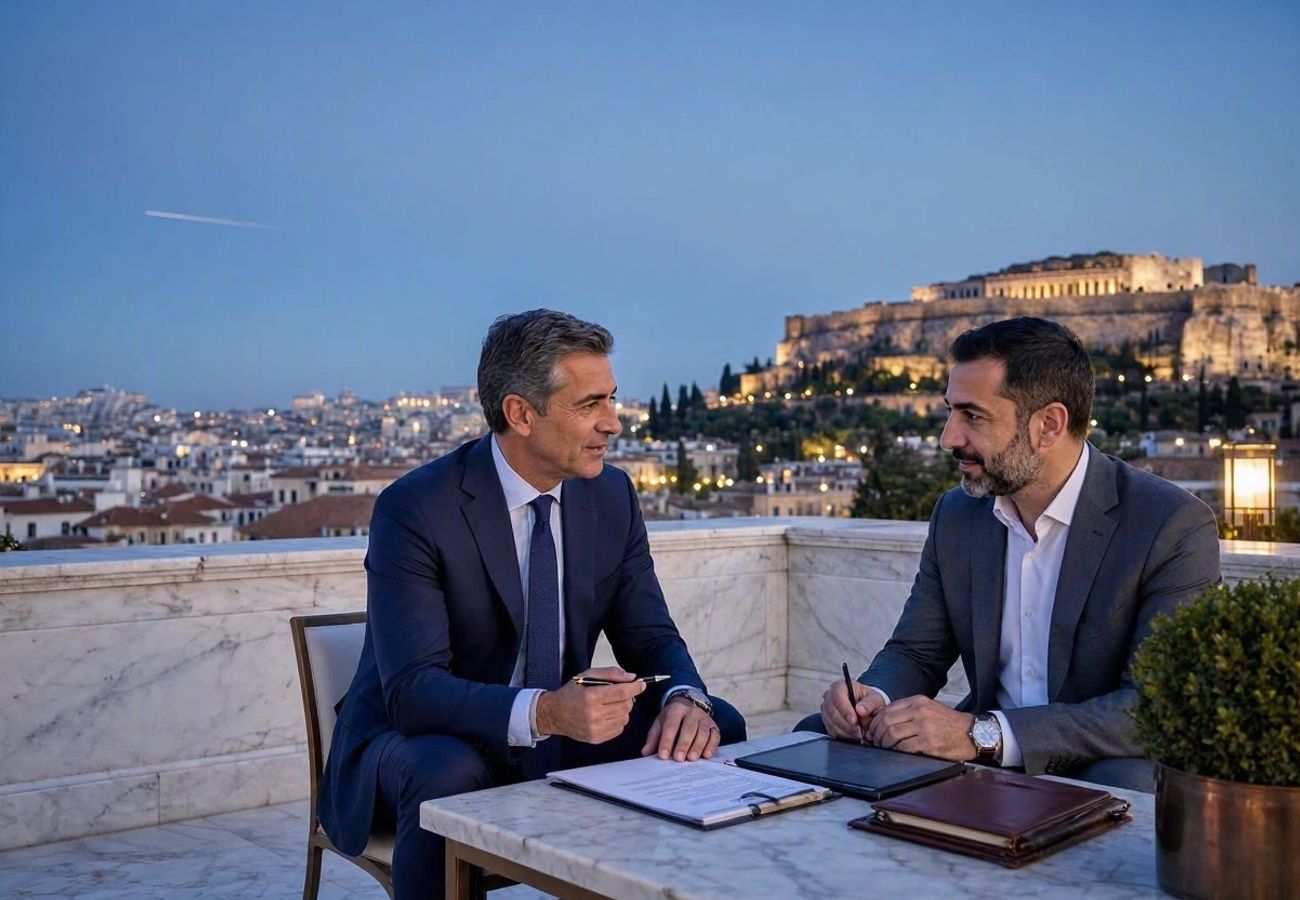
Image generated by AI
A five-year institutional framework established on 8 February 2021 serves as the current foundation for a renewed push to scale tourism and capital flow between Greece and Israel in 2026. This diplomatic momentum was recently solidified in Athens during high-level negotiations between the Greek Minister of Tourism, Olga Kefalogianni, and the newly appointed Israeli Ambassador to Greece, Pninat Yanay. The discussions moved beyond general diplomacy, focusing on the tangible expansion of air connectivity, urban hospitality investment in the Greek capital, and the use of cultural diplomacy—specifically music—to drive higher visitor volumes.
The 2021 Bilateral Framework and 2026 Objectives
The current trajectory of Greece-Israel relations is not an isolated event but an evolution of the Greece-Israel Tourism Cooperation Agreement. Signed by former Minister Haris Theocharis and Israeli counterpart Orit Farkash-Hacohen, this treaty created a structured environment for digitalization, professional training, and the exchange of industry intelligence. Because the agreement included automatic renewal provisions, both nations are now utilizing this legal architecture to pivot toward more aggressive investment and connectivity goals for 2026.
For the Greek government, the priority is diversifying its visitor base and securing foreign direct investment (FDI) in the hospitality sector. For Israel, the goal is to deepen the existing emotional and commercial ties its citizens have with Greek destinations, transitioning from seasonal holidaying to long-term investment and extended stays.
Aviation Connectivity and Investment Vectors
A primary pillar of the 2026 strategy is the optimization of aviation links. While specific flight numbers and new route announcements were not detailed in the recent ministerial meeting, the Greek Ministry of Tourism emphasized that direct air services are the prerequisite for all other growth. Increased seat capacity typically leads to a reduction in ticket pricing and an increase in "spontaneous" travel, which benefits the broader hospitality ecosystem.
Beyond transit, Athens has emerged as a primary target for Israeli capital. The city's role as the main international gateway makes it a strategic hub for urban hospitality development. Israeli investors are currently eyeing opportunities in hotel acquisitions, property development, and specialized visitor services within the capital.
Strategic Tourism Metrics and Frameworks
The following table outlines the core components of the bilateral cooperation strategy currently being implemented:
| Strategic Pillar | Primary Objective | Mechanism | Target Impact |
|---|---|---|---|
| Aviation | Increase Visitor Volume | Expansion of direct flight links | Lower barriers to entry for leisure/business travelers |
| Investment | Capital Inflow to Athens | Israeli FDI in hospitality/hotels | Modernization of urban tourism infrastructure |
| Regulatory | Institutional Alignment | 2021 Cooperation Agreement | Standardized professional training & digitalization |
| Cultural | Market Diversification | Joint music and artistic events | Increased "off-season" travel and cultural engagement |
| Promotion | Destination Marketing | Greek National Tourism Organisation (GNTO) | Coordinated promotional campaigns for Israeli markets |
Expert Analysis: The Economics of the Athens-Tel Aviv Corridor
For travelers and investors, the shift toward "cultural tourism" and "hospitality investment" signals a move away from the traditional "sun and sea" model. By integrating music and artistic collaborations into the tourism product, Greece is attempting to hedge against the seasonality of its economy.
The direct consequence of increased Israeli investment in Athens is a likely upgrade in luxury and boutique hospitality offerings. When a specific national group invests heavily in a city's infrastructure, they often tailor those services to the preferences of their home market—meaning Israeli travelers can expect more culturally aligned services and streamlined logistics in the Greek capital.
From a regulatory standpoint, the reliance on the International Air Transport Association (IATA) standards for improving connectivity suggests that both nations are looking to stabilize flight frequencies to encourage corporate travel and high-net-worth investment trips. For the average nomad or traveler, this typically manifests as more competitive pricing on flights between Tel Aviv and Athens due to increased competition and capacity.
Key Takeaways
- Legal Foundation: All 2026 initiatives are powered by the automatic renewal of the February 8, 2021, Tourism Cooperation Agreement.
- Investment Focus: Israeli capital is specifically targeting the Athens hospitality market, focusing on hotels and urban visitor services.
- Connectivity Push: Strengthening direct aviation links is the top priority to facilitate increased visitor exchange and business travel.
- Cultural Pivot: New joint initiatives in music and the arts are being developed to attract visitors beyond traditional sightseeing.
- Institutional Support: The GNTO is tasked with translating these diplomatic goals into active marketing campaigns for the Israeli market.
FAQ: Greece-Israel Travel 2026
Are there new flight routes between Israel and Greece for 2026? While the Greek and Israeli governments are actively negotiating to increase air connectivity, specific new routes or flight numbers have not yet been publicly released. Travelers should monitor official airline schedules for updates.
Is it easier for Israeli citizens to invest in Greek tourism now? The 2021 agreement facilitates institutional cooperation, making the environment more favorable for investment. However, individual investors should still consult legal counsel regarding Greek property and business laws.
What are "cultural tourism" events in Greece? These are initiatives—specifically focusing on music and arts—designed to give travelers reasons to visit Greece outside of the summer beach season, often involving joint Greek-Israeli performances.
Does this agreement change travel visa requirements? No. This is a tourism and investment cooperation agreement. Visa requirements remain governed by standard EU and Israeli diplomatic policies.
The intersection of cultural diplomacy and capital investment is transforming the Mediterranean travel corridor into a strategic economic bridge.
Related Travel Guides
Disclaimer
This article is for informational and educational purposes only. It does not constitute legal, financial, or professional advice. While we strive to provide accurate and up-to-date information, travel policies, regulations, and conditions change rapidly. Always verify information with official sources before making travel decisions. Nomad Lawyer makes no representations about the accuracy, reliability, completeness, or suitability of the information provided. Readers should consult qualified professionals for advice specific to their circumstances. The views expressed in this article are those of the author and do not necessarily reflect the views of Nomad Lawyer.
Preeti Gunjan
Contributor & Community Manager
A passionate traveller and community builder. Preeti helps grow the Nomad Lawyer community, fostering engagement and bringing the reader experience to life.
Learn more about our team →