
Argentina Digital Tourism Generates $2.3 Billion GDP Impact as Decentralized Home-Sharing Empowers Local Communities
Digital home-sharing generated $2.3B for Argentina's GDP, supporting 116,000 jobs and injecting $2B in neighborhood spending across 14M guest nights.

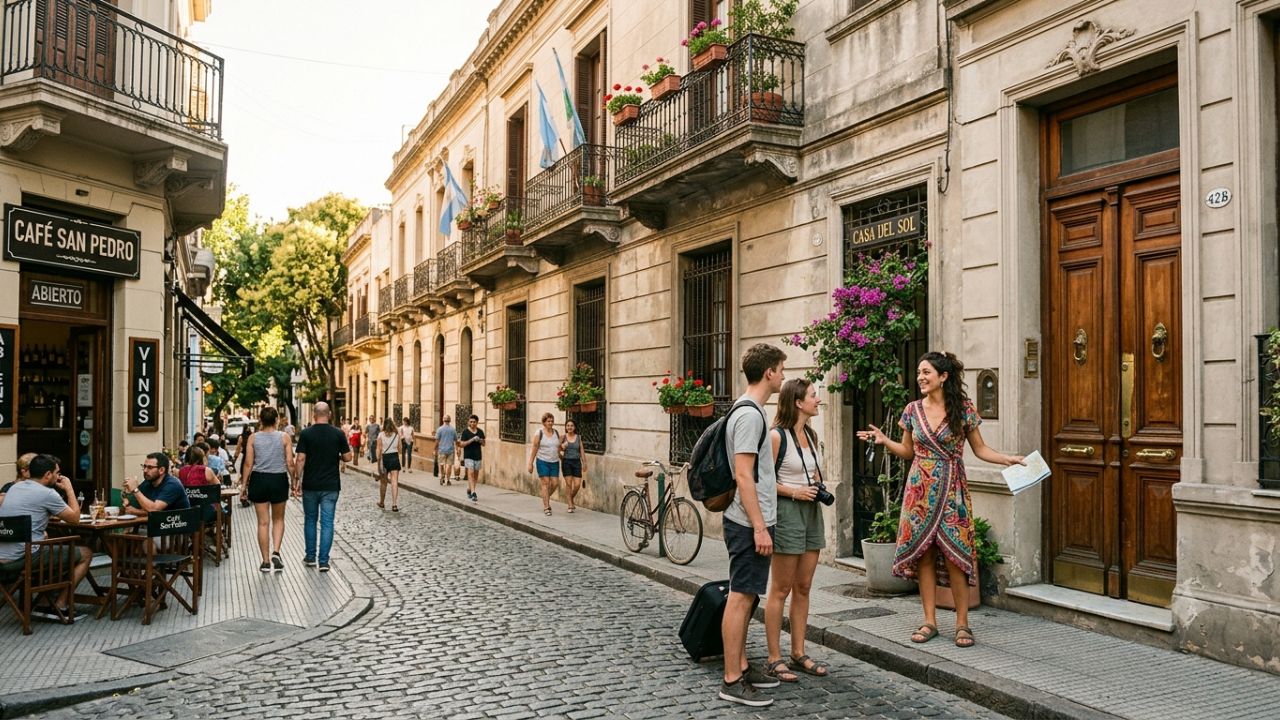
Digital short-term rentals and home-sharing networks generated over US$2.3 billion for Argentina's national economy in 2025.
Digital tourism platforms and decentralized home-sharing networks generated over US$2.3 billion for Argentina’s Gross Domestic Product in 2025, supporting approximately 116,000 jobs and injecting more than US$2 billion into neighborhood micro-economies across the country. According to comprehensive economic impact data assessing nationwide travel mobility, more than 3 million domestic and international travelers booked over 14 million nights outside traditional resort circuits during the measured period. This decentralized travel model is driving a profound structural realignment of Argentina’s visitor economy, funneling financial capital directly into family-owned bakeries, independent transport operators, and suburban commercial districts that historically received zero tourism income.
The economic multiplier activated by short-term rental guests reveals an extraordinary direct benefit for local communities: for every $100 spent on accommodation bookings in Argentina, guests spent an additional $480 in the surrounding neighborhood. From the cobblestone avenues of San Telmo in Buenos Aires and the wine valleys of Mendoza to alpine neighborhoods in Bariloche and coastal hamlets in Tierra del Fuego, ordinary residential hosts earned over $330 million in cumulative income. For tens of thousands of Argentine families navigating elevated inflation and cost-of-living pressures, opening their homes to digital travelers has emerged as an indispensable financial lifeline.
                           ┌──────────────────────────────────────────────┐
                           │   Argentina Digital Tourism Economic Matrix  │
                           └──────────────────────┬───────────────────────┘
                                                  │
                 ┌────────────────────────────────┴───────────────────────────────┐
                 ▼                                                               ▼
        ┌──────────────────────────────────┐                    ┌──────────────────────────────────┐
        │    National Macro Impact         │                    │    Community Micro Multiplier    │
        ├──────────────────────────────────┤                    ├──────────────────────────────────┤
        │ • $2.3 Billion direct GDP impact │                    │ • $100 on lodging = $480 local   │
        │ • 116,000 sustained jobs         │                    │ • $2+ Billion total guest spend  │
        │ • $900 Million in labor wages    │                    │ • $335 Million in quiet suburbs  │
        │ • $570 Million in public taxes   │                    │ • $330 Million in host earnings  │
        └─────────────────┬────────────────┘                    └─────────────────┬────────────────┘
                          │                                                       │
                          └───────────────────────┬───────────────────────────────┘
                                                  │
                                                  ▼
                        ┌──────────────────────────────────────────────────┐
                        │        Decentralized Geographic Dispersal        │
                        ├──────────────────────────────────────────────────┤
                        │ • Buenos Aires (San Telmo & Palermo residential) │
                        │ • Patagonia (Bariloche, El Calafate, Ushuaia)    │
                        │ • Cuyo Region (Mendoza agro-tourism & wine)      │
                        │ • Northwest (Salta, Jujuy, Humahuaca Valley)     │
                        │ • Central Hubs (Córdoba, Rosario, La Plata)      │
                        └──────────────────────────────────────────────────┘
Economic Dispersal: $2.3 Billion Added to Argentina’s National GDP
The injection of US$2.3 billion into Argentina’s national GDP underscores the growing financial weight of independent, app-driven travel. Rather than concentrating visitor capital inside foreign-owned luxury hotel conglomerates in downtown Buenos Aires, digital hospitality platforms allow incoming revenue to circulate through provincial urban centers, agricultural towns, and mountain valleys.
This decentralized flow supported approximately 116,000 jobs across a diverse cross-section of commercial industries in 2025:
- Direct Hospitality Services: Cleaning personnel, property maintenance staff, local property managers, and independent key-holders across provincial capitals.
- Neighborhood Retail and Dining: Family-owned butcher shops (carnicerías), bakeries (panaderías), greengrocers, and corner bistros (bodegones) catering to self-catering apartment guests.
- Regional Transit and Guiding: Independent drivers, neighborhood bike rental outfits, and community-based trekking guides in scenic perimeters like Salta, Jujuy, and San Martín de los Andes.
Overall, this activity generated over $900 million in direct labor income for local workers, strengthening domestic purchasing power during a critical macroeconomic adjustment phase.
                  The Hyper-Local Guest Spending Multiplier

  $480 USD ────────────────────────────────────────────────► Neighborhood Expenditure
                                                             (Dining, groceries, transit,
                                                              artisanal crafts, theater)
                                            ┌───────────┐
  $100 USD ──► Accommodation Base           │ Multiplier│
        ┌───────────┐                       │ Effect    │
        │ Room Cost │                       │ (4.8x)    │
        └───────────┘                       └───────────┘
The table below outlines the core economic indicators, labor impacts, and regional spending distributions generated by home-sharing platforms across Argentina:
| Economic Metric / Category | Recorded Benchmark (2025) | Structural and Community Impact |
|---|---|---|
| Direct Contribution to National GDP | > US$2.3 Billion | Disperses traveler capital across all 23 Argentine provinces and federal capital |
| Nationwide Employment Supported | ~ 116,000 Jobs | Generates consistent employment in culinary, cleaning, retail, and transit sectors |
| Total Worker Labor Income | > US$900 Million | Delivers direct wage stability to working-class Argentine households |
| Community Spending Multiplier | $480 per $100 Stayed | Guests spend nearly five times the cost of their lodging in neighborhood shops |
| Total Guest Community Expenditure | > US$2.0 Billion | Direct retail and dining capital injected into independent local businesses |
| Total Traveler Volume | > 3.0 Million Visitors | Domestic and international travelers booking decentralized home accommodations |
| Total Room Nights Booked | > 14.0 Million Nights | Extended average length of stay compared to conventional city-center hotels |
| Direct Spending in Non-Touristy Areas | US$335 Million | Capital distributed into residential suburbs historically excluded from tourism |
| Total Host Community Earnings | > US$330 Million | Direct supplemental income earned by everyday Argentine homeowners |
| Public Sector Tax Revenues Generated | > US$570 Million | Transparent tax receipts funding municipal roads, sanitation, and civic works |
The Hyper-Local Multiplier: For Every $100 Spent on Stays, $480 Enters Communities
A distinguishing characteristic of home-sharing tourism is where guest capital ends up. Traditional resort travel often suffers from economic "leakage," with up to 80% of vacation expenditures leaving the host destination to overseas airline and hotel corporate treasuries. In contrast, Argentina’s digital rental ecosystem exhibits an inverse pattern.
Almost half of total guest spending occurred directly within the exact residential neighborhood where travelers booked their accommodation. Approximately $335 million flowed into non-traditional, less touristy districts across cities like Rosario, La Plata, San Miguel de Tucumán, and El Calafate.
Surveys conducted across visitor cohorts reveal that more than one-third (34%) of travelers explicitly confirmed they would never have visited or spent money in that specific neighborhood were it not for the availability of home-sharing accommodations. By placing visitors within residential environments, digital hospitality converts ordinary residential blocks into micro-destinations, directly supporting neighborhood theater productions, local leather artisans, and family-run coffee shops.
                 Host Solvency: Economic Safety Net in Inflation

     ┌────────────────────────────────────────────────────────┐
     │  60% of Hosts: Retained Homeownership / Paid Mortgages  │
     └────────────────────────────────────────────────────────┘
     ┌────────────────────────────────────────────────────────┐
     │  50% of Hosts: Covered Rising Utility & Food Inflation  │
     └────────────────────────────────────────────────────────┘
     ┌────────────────────────────────────────────────────────┐
     │  Total Supplemental Host Earnings: Exceeded $330M       │
     └────────────────────────────────────────────────────────┘
Host Empowerment: Household Solvency and Inflation Defense
From the perspective of Argentine residents, participating as a home-sharing host provides a stabilizing economic buffer against domestic currency fluctuations and rapid utility price increases. Total cumulative revenue collected by individual hosts topped $330 million over the 12-month period.
Survey data from platform hosts highlights the protective social role of this income:
- Covering Basic Cost-of-Living Increases: Nearly 50% of surveyed hosts confirmed that short-term rental revenue directly enabled them to pay escalating utility bills, purchase groceries, and absorb broad inflationary pressures.
- Preserving Homeownership: Almost 60% of hosts stated that rental earnings allowed them to keep ownership of their primary residence, cover monthly mortgage obligations, and finance essential structural repairs that would otherwise have been unaffordable.
- Reinvesting in Heritage Properties: In historic areas such as Buenos Aires’ San Telmo and Córdoba’s Alta Gracia, property owners utilized their rental profits to restore 19th-century facade masonry, renovate antique plumbing, and preserve irreplaceable architectural heritage without relying on state subsidies.
Public Coffer Boost: $570 Million in Transparent Tax Revenues
The rapid formalization of digital tourism has also created a vital revenue stream for Argentine public administration. Trips booked across online rental platforms generated over $570 million in total tax revenues, distributed across federal, provincial, and municipal government treasuries.
These funds provide debt-free public revenue that regional authorities in provinces such as Neuquén, Misiones, and Río Negro are deploying into municipal upgrades:
- Civic Infrastructure Maintenance: Repaving secondary regional access roads, upgrading pedestrian boardwalks along alpine lakes, and modernizing street lighting in suburban neighborhoods.
- Municipal Sanitation and Healthcare: Financing local waste management systems and municipal clinic supplies in high-demand tourist corridors without imposing additional tax levies on local residents.
- School and Community Center Renovations: Direct allocations toward municipal primary schools, park preservation, and youth sports facilities in destination gateway communities.
Digital Nomads, Off-Season Demand, and Female Micro-Entrepreneurs
The geographical dispersal of travel capital is reinforced by three structural evolutions in traveler demographics:
                    Structural Catalysts of Decentralized Tourism

  ┌─────────────────────────┐  ┌─────────────────────────┐  ┌─────────────────────────┐
  │  Digital Nomad Stays    │  │  Female Entrepreneurship│  │ Agro-Tourism Supply     │
  ├─────────────────────────┤  ├─────────────────────────┤  ├─────────────────────────┤
  │ • Extended 30-90 day    │  │ • Female hosts manage   │  │ • Mendoza wine country  │
  │   remote work stays     │  │   majority of listings  │  │ • Pampas cattle ranches │
  │ • Eliminates off-season │  │ • Direct capital to     │  │ • Direct farm-to-table  │
  │   economic dips in      │  │   female-led bakeries,  │  │   restaurant sourcing   │
  │   Bariloche & Mendoza   │  │   tours, and craft shops│  │   in local neighborhoods│
  └─────────────────────────┘  └─────────────────────────┘  └─────────────────────────┘
Eliminating the "Low Season" Cliff
Digital nomads choosing extended stays of two weeks to three months in regional destinations like San Martín de los Andes, Salta, and Puerto Iguazú have smoothed out traditional seasonal volatility. By renting apartments during autumn and winter months, remote workers inject constant purchasing power into neighborhood fitness centers, co-working spaces, and laundromats during periods when conventional hotels historically closed their doors.
Empowering Female-Led Micro-Enterprises
A substantial share of digital rental listings in Argentina are owned or managed by women. Rental revenues provide female entrepreneurs with direct financial independence, enabling them to finance university education for their children, launch independent artisanal businesses, and take prominent leadership roles in provincial tourism chambers.
Strengthening Domestic Agricultural Supply Chains
Because home-sharing guests overwhelmingly prepare meals in their apartments or frequent neighborhood steakhouses (parrillas), their purchasing patterns directly support domestic farmers, cheesemakers in Córdoba, and independent vintners in the Uco Valley of Mendoza, preventing corporate supply-chain leakage.
Practical Considerations: What Decentralized Stays Mean for Travelers
Travelers planning itineraries across Argentina’s provincial network should note several operational tips:
- Payment Logistics and Currency Exchange: While digital accommodation platforms process payments electronically in foreign currencies or via international credit cards, neighborhood bistros and bakeries in suburban quarters often offer advantageous pricing for cash payments in Argentine Pesos (ARS).
- Transit Options Outside City Centers: When booking accommodations in non-traditional neighborhoods in Rosario, Córdoba, or Mendoza, verify proximity to regional bus corridors or download localized rideshare apps like Cabify or Uber, as traditional street taxis may be less frequent outside central plazas.
- Booking Domestic Flight Connections: Dispersed itineraries linking Buenos Aires with Salta, Mendoza, and Ushuaia require domestic air transit. Major domestic carriers—including Aerolíneas Argentinas and Flybondi—operate frequent daily connections from Aeroparque Jorge Newbery (AEP).
Frequently Asked Questions
What was the total economic impact of home-sharing on Argentina’s GDP?
Short-term home-sharing and digital accommodation platforms contributed over US$2.3 billion directly to Argentina’s Gross Domestic Product in 2025.
How much do travelers spend in local neighborhoods compared to accommodation costs?
For every $100 spent on accommodation bookings through digital platforms in Argentina, travelers spent an additional $480 in the surrounding local neighborhood economy.
How many jobs does digital tourism support in Argentina?
The decentralized hospitality platform ecosystem supported approximately 116,000 jobs across Argentina in 2025, generating over $900 million in direct labor income.
How much tax revenue did digital rental platforms generate for Argentine authorities?
Stays booked through online rental platforms generated over $570 million in total tax revenues across federal, provincial, and municipal government jurisdictions in 2025.
Related Travel Guides
- Argentina's Repurposed Railway Stations: Gastronomic Markets, Cultural Quarters, and Andean Heritage Escapes
- Chile, Brazil, and Argentina Synchronize Wildfire Safety Protocols for 2026 Peak Tourism Season
- Alberta Targets Mexico's Luxury Travelers With Canadian Rockies Winter Adventures to Drive $25 Billion Tourism Vision
Disclaimer
This article is for informational and educational purposes only. It does not constitute legal, financial, or professional advice. While we strive to provide accurate and up-to-date information, travel policies, regulations, and conditions change rapidly. Always verify information with official sources before making travel decisions. Nomad Lawyer makes no representations about the accuracy, reliability, completeness, or suitability of the information provided. Readers should consult qualified professionals for advice specific to their circumstances. The views expressed in this article are those of the author and do not necessarily reflect the views of Nomad Lawyer.
Preeti Gunjan
Contributor & Community Manager
A passionate traveller and community builder. Preeti helps grow the Nomad Lawyer community, fostering engagement and bringing the reader experience to life.
Learn more about our team →