Beyond the Black Sea: Bulgaria's Push to Host 8 Million Foreign Visitors by 2029

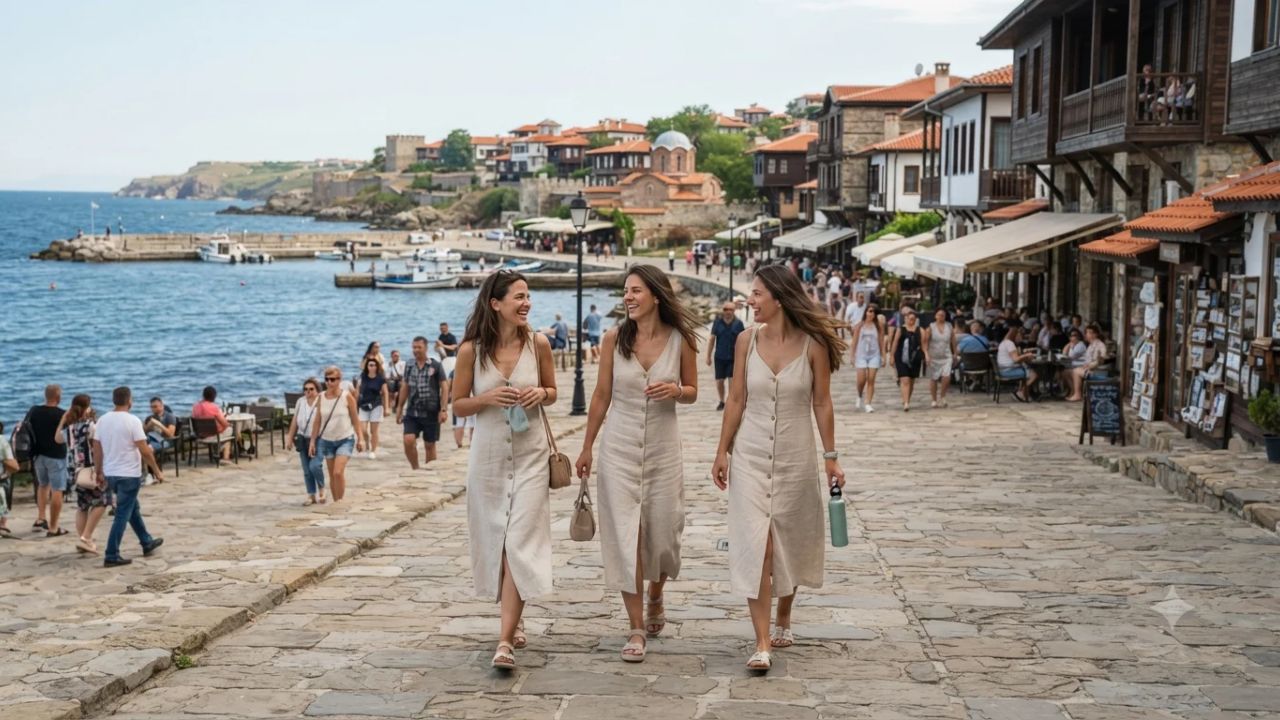
Bulgaria welcomed 4,140,353 foreign visitors in 2025—a 9.8 percent jump over 2024—fueling a national transformation to double international arrivals to 8 million annually by 2029. While international holidaymakers have long treated the Balkan nation primarily as a budget summer beach retreat along the Black Sea, a nationwide diversification plan is refocusing global attention toward its dense network of over 600 natural thermal mineral springs, world-class Rhodope Mountain ski valleys, and six millennia of living archaeological heritage.
Combined with domestic vacationers, total tourism volume reached 9,504,275 visitors in 2025. To maintain this momentum and overcome the vulnerabilities of seasonal tourism, Bulgaria's tourism ministry is cultivating high-value source markets across Germany, Poland, Romania, Türkiye, and Japan. The new strategy shifts the visitor narrative from sun-and-sand packages to immersive, four-season cultural and wellness journeys across the country's interior provinces.
The 2029 Growth Strategy: Diversifying the Four-Season Map
The national roadmap to 8 million annual foreign tourists by 2029 is anchored in five targeted international markets, each matched to distinct regional travel products. By pairing targeted marketing with improved regional rail connections and expanded flight options into Sofia, Varna, and Burgas, the country is actively extending the traditional travel calendar.
The strategic priority markets and regional opportunities align as follows:
| Priority Source Market | Core Travel Segment | Primary Destinations Targeted |
|---|---|---|
| Germany | Cultural touring, hiking, and wellness | Plovdiv, Rila Monastery, Pirin National Park |
| Poland | Active mountain holidays and coastal culture | Bansko, Borovets, Sozopol, Nessebar |
| Romania | Short-break heritage and winter sports | Veliko Tarnovo, Pamporovo, Ruse border routes |
| Türkiye | Cross-border culinary, shopping, and spa travel | Svilengrad, Plovdiv, Hisarya, Velingrad |
| Japan | Long-haul heritage, rose oil, and UNESCO circuits | Kazanlak Rose Valley, Boyana Church, Koprivshtitsa |
In Germany and Poland, promotional campaigns spotlight Bulgaria's exceptional value-to-quality ratio for mountain trekking and cultural exploration. Regional neighbors Romania and Türkiye provide year-round weekend visitors who fill boutique guesthouses during shoulder seasons, while long-haul travelers from Japan seek out UNESCO-listed monasteries, ancient Thracian tombs, and traditional Damask rose distilleries in the Rose Valley.
What Makes Bulgaria's Travel Experience Distinct
Bulgaria occupies a unique cultural crossroads where Thracian mysticism, Roman civic engineering, Byzantine spirituality, and Ottoman architectural traditions merge. Plovdiv, one of Europe's oldest continuously inhabited cities, preserves an intact 2nd-century Roman amphitheater nestled directly within an 18th-century National Revival old town filled with ornate wooden merchant mansions.
Beyond urban heritage, Bulgaria boasts one of Europe's richest thermal hydrological networks. Towns like Velingrad, Hisarya, and Sandanski have functioned as balneological health centers since Roman legionnaires bathed in their warm, mineral-rich springs. In the winter months, high-altitude ranges like Rila and Pirin offer world-class downhill skiing at Bansko, Borovets, and Pamporovo at a fraction of Alpine prices.
Travelers can explore certified cultural routes, national park trail maps, and seasonal events via the official Bulgaria Travel Portal.
Visitor Insider Tips for Exploring Bulgaria Like a Local
To uncover authentic Bulgarian culture away from crowded tour bus circuits, consider these practical recommendations:
- Embrace the Mineral Spa Tradition in Velingrad: Known as the spa capital of the Balkans, Velingrad features dozens of geothermal springs. Stay in a boutique balneo-hotel and begin your day with a therapeutic mineral bath before hiking into pine forests in the Rhodope Mountains.
- Master the Train Network for Scenic Slow Travel: Skip highway traffic by boarding the scenic Rhodope narrow-gauge railway (Septemvri–Dobrinishte), the last operating narrow-gauge line in Bulgaria. The charming train winds through remote gorges and Muslim Pomak mountain villages to reach Bansko. Check timetables on the official Bulgarian State Railways platform.
- Savor Regional Gastronomy Beyond Shopska Salad: While crisp shopska salad topped with brined sirene cheese is a staple, seek out regional specialties like kavarma (slow-cooked pork and vegetable stew in clay pots), banitsa (flaky filo pastry filled with eggs and cheese), and spicy sudzhuk cured sausage paired with local Mavrud or Melnik red wines.
- Visit UNESCO Sites in Early Morning: Arrive at the iconic UNESCO World Heritage complex of Rila Monastery before 9:00 AM. You will experience the vibrant frescoed arcades and towering Hrelyo's Tower in serene quiet before day-tripper buses arrive from Sofia.
- Base Yourself in Old Plovdiv: Stay in the Kapana Creative District or the cobblestone hills of Old Town Plovdiv. The neighborhood offers pedestrian-only art galleries, craft beer cellars, and vibrant outdoor cafes set against ancient Roman ruins.
Cultural and Environmental Context of Sustainable Tourism
Bulgaria's transition toward 8 million visitors places a strong emphasis on ecological responsibility and heritage conservation. The expansion of ski infrastructure in the Pirin and Rila mountains is carefully balanced against strict conservation mandates to protect old-growth Bosnian pine forests and endemic wildlife like brown bears, wolves, and Balkan chamois.
In historic rural villages like Koprivshtitsa, Melnik, and Kovachevitsa, tourism revenue provides a sustainable lifeline for preserving 19th-century timber architecture and traditional artisan trades, including copper smithing, wood carving, and wool weaving. Community cooperatives ensure that culinary and agricultural traditions—from artisanal yogurt making to organic lavender harvesting—remain rooted in local hands rather than corporate conglomerates.
By encouraging international guests to visit during autumn wine harvests, spring rose blossom seasons, and winter ski months, Bulgaria is distributing tourist revenue evenly across regional communities, preventing coastal overtourism while revitalizing the rural interior.
FAQ: Visiting Bulgaria 2026
How many international visitors travel to Bulgaria annually? Bulgaria hosted 4,140,353 foreign tourists in 2025 (a 9.8% increase over 2024), with a total tourism volume of 9,504,275 visitors. The nation aims to reach 8 million foreign tourists by 2029.
What are the best winter ski destinations in Bulgaria? Bansko in the Pirin Mountains, Borovets in the Rila Mountains, and Pamporovo in the Rhodope Mountains offer excellent ski runs, modern lift systems, and vibrant après-ski dining.
Do I need a visa to visit Bulgaria? Bulgaria is an EU member state and part of the Schengen zone for air and maritime travel. EU citizens, UK passport holders, and travelers from eligible visa-waiver nations can enter without a visa for short stays.
What is the best way to travel between Bulgarian cities? Express trains operated by BDZ and comfortable regional motorcoaches connect Sofia, Plovdiv, Varna, and Burgas efficiently. Renting a car is recommended for exploring remote mountain monasteries and thermal spa towns.
From steaming Roman thermal baths to snow-dusted Balkan peaks, Bulgaria proves that the greatest travel treasures lie far beyond the shoreline.
Related Travel Guides
This article is for informational purposes. Flight routes, passenger regulations, visa rules, and transit advisories are subject to change by airlines and aviation authorities. Readers are advised to verify schedules and travel documentation with relevant carriers and border agencies before departure.
Related Stories
Ayodhya Deepotsav 2026 Logistics Guide: Attending the 30 Lakh Lamp Festival in India

WTM London 2026: AI Booking Shifts and Global Tourism Growth Forecasts for 1.57 Billion Arrivals