
Budget Europe Travel: Cities Redefining Inbound Inward Breaks
European city breaks shift toward value as destinations like Kraków, Budapest, Porto, and Istanbul offer rich cultural experiences at lower costs.

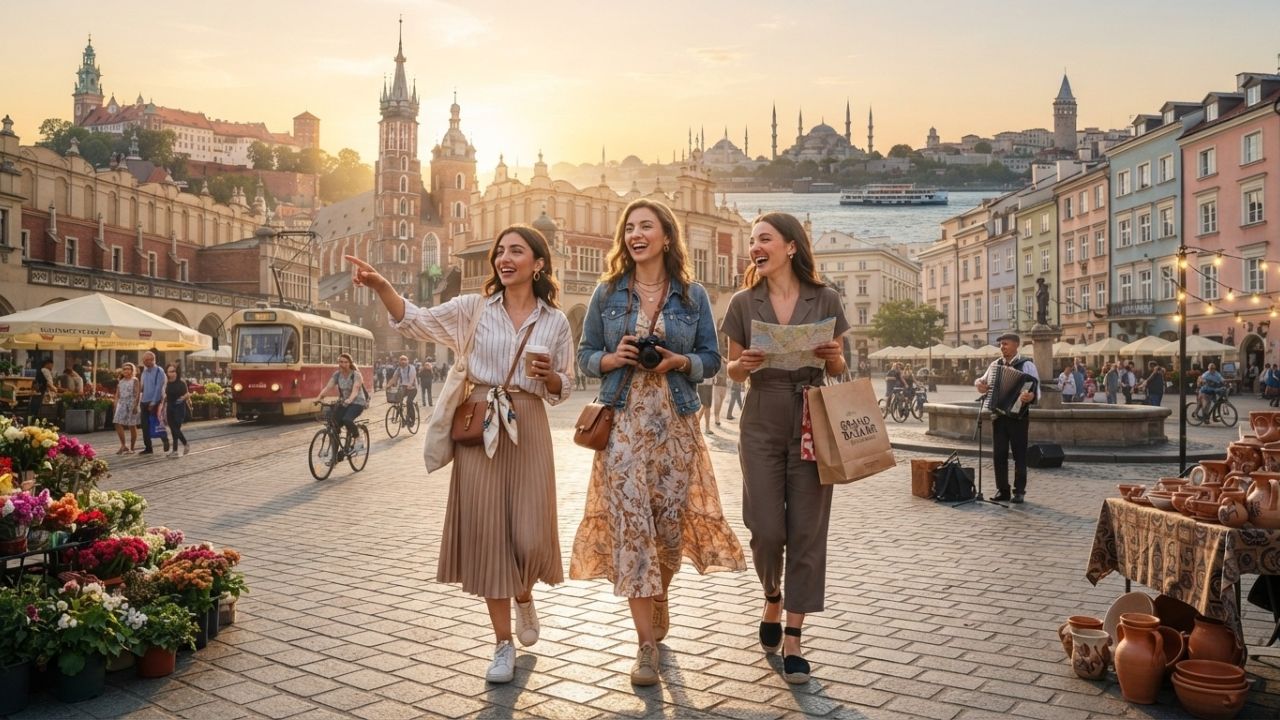
Image generated by AI
International tourist arrivals to Europe rose by 5% year-on-year in 2026, driven by a growing traveler preference for high-value secondary destinations over expensive Western European capitals.
On August 7, 2026, market data confirmed that budget city breaks are redefining leisure travel dynamics across the continent. According to regional tourism indexes, travelers are shifting their spending away from luxury services toward authentic cultural engagement, walkable historic centers, and integrated rail transit. Cities like Kraków, Budapest, Porto, and Istanbul are leading this transition, capturing a substantial share of European visitor traffic by combining rich heritage preservation with cost competitiveness.
The Core Transit Update
European transit networks and regional tourism initiatives are expanding to support multi-destination travel and reduce summer congestion.
Data from Eurostat and the European Travel Commission (ETC) indicate that 65% of EU residents made at least one overnight personal trip in recent years, generating over 1.2 billion tourism journeys. To distribute these numbers, transit authorities are promoting off-peak departures and inter-city rail passes. Programs like DiscoverEU are awarding approximately 40,000 free rail passes to young travelers in 2026, facilitating sustainable travel across Central and Southern Europe.
This budget-friendly shift aligns with the regional pricing trends explained in European Tourism Map Shifts as Bulgaria, Türkiye, and Albania Lead a New Affordable Revolution for Travelers Seeking Premium Experience budget holidays: New Travel Alert and Poland Romania and Bulgaria Lead Eastern Europe Tourism Surge as Budget Travelers Exit Western Europe in 2026.
Europe Value Tourism Snapshot
The following table summarizes the travel indicators, municipal transit volumes, and key attractions for Europe's leading value destinations.
| Destination City | YTD Arrival Growth | Primary Public Transit System | Featured Cultural Event | Primary Budget Advantage |
|---|---|---|---|---|
| Kraków (Poland) | Stable Recovery | Extensive municipal tram network | Wawel Castle museum weeks | Walkable UNESCO Old Town |
| Budapest (Hungary) | +5.0% Arrivals | Metro, tram, and Danube ferry | Sziget Festival (Óbuda Island) | Thermal baths & low daily costs |
| Porto (Portugal) | +4.8% Overnight stays | Metro do Porto & regional rail | Festa de São João | Douro Valley rail connectivity |
| Istanbul (Türkiye) | Strong Inbound | Bosphorus ferries & vintage trams | Sultanahmet photography circuits | Highly competitive dining & stays |
Data compiled in coordination with national tourism directorates, including Turismo de Portugal and the Istanbul Provincial Directorate of Culture and Tourism.
Traveler Logistics Guide
From a ground-level perspective, the best way to navigate this is to combine regional rail passes with local transit cards to bypass airport terminal queues.
- Aviation Connections: Fly into secondary European airports (such as Katowice for Kraków or Budapest Ferenc Liszt) using budget carriers, and book airport shuttle transfers in advance.
- Rail Transit Planning: Use the Eurail or Interrail pass networks to connect Kraków, Budapest, and Prague without extra booking fees. Most central rail stations are located within walking distance of historic old towns.
- Festival Stays: If attending major cultural events like the Edinburgh Festival Fringe (which sells over 2.6 million tickets annually) or the Sziget Festival, secure student or discount accommodation at least 4 to 6 months in advance.
- Digital Transit Vetting: Ensure you register for necessary digital travel authorizations (like ETIAS) before arriving at Schengen external borders to prevent processing delays.
Infrastructure Impact Assessment
By promoting secondary city breaks and regional rail routes, European transport ministries reduce environmental pressure on crowded Western European hubs. The growth of independent cafés, local homestays, and neighborhood walking tours distributes tourism revenue directly into municipal economies. Reinvesting local hotel tax revenue into tram expansions, historic site maintenance, and public parks ensures that historic neighborhoods remain habitable for local residents while offering exceptional value to global travelers.
Related Travel Guides
The 10 Best Things to Know About Budget European City Breaks, According To Reddit
Disclaimer
This article is for informational and educational purposes only. It does not constitute legal, financial, or professional advice. While we strive to provide accurate and up-to-date information, travel policies, regulations, and conditions change rapidly. Always verify information with official sources before making travel decisions. Nomad Lawyer makes no representations about the accuracy, reliability, completeness, or suitability of the information provided. Readers should consult qualified professionals for advice specific to their circumstances. The views expressed in this article are those of the author and do not necessarily reflect the views of Nomad Lawyer.
Kunal K Choudhary
Co-Founder & Contributor
A passionate traveller and tech enthusiast. Kunal contributes to the vision and growth of Nomad Lawyer, bringing fresh perspectives and driving the community forward.
Learn more about our team →