
Brussels Airlines Expands Arctic Winter Network with Increased Flights to Tromsø and Kittilä in 2026
Brussels Airlines is scaling its winter operations to Norway and Finland, increasing capacity to Tromsø and Kittilä to meet surging demand for Northern Lights tourism.

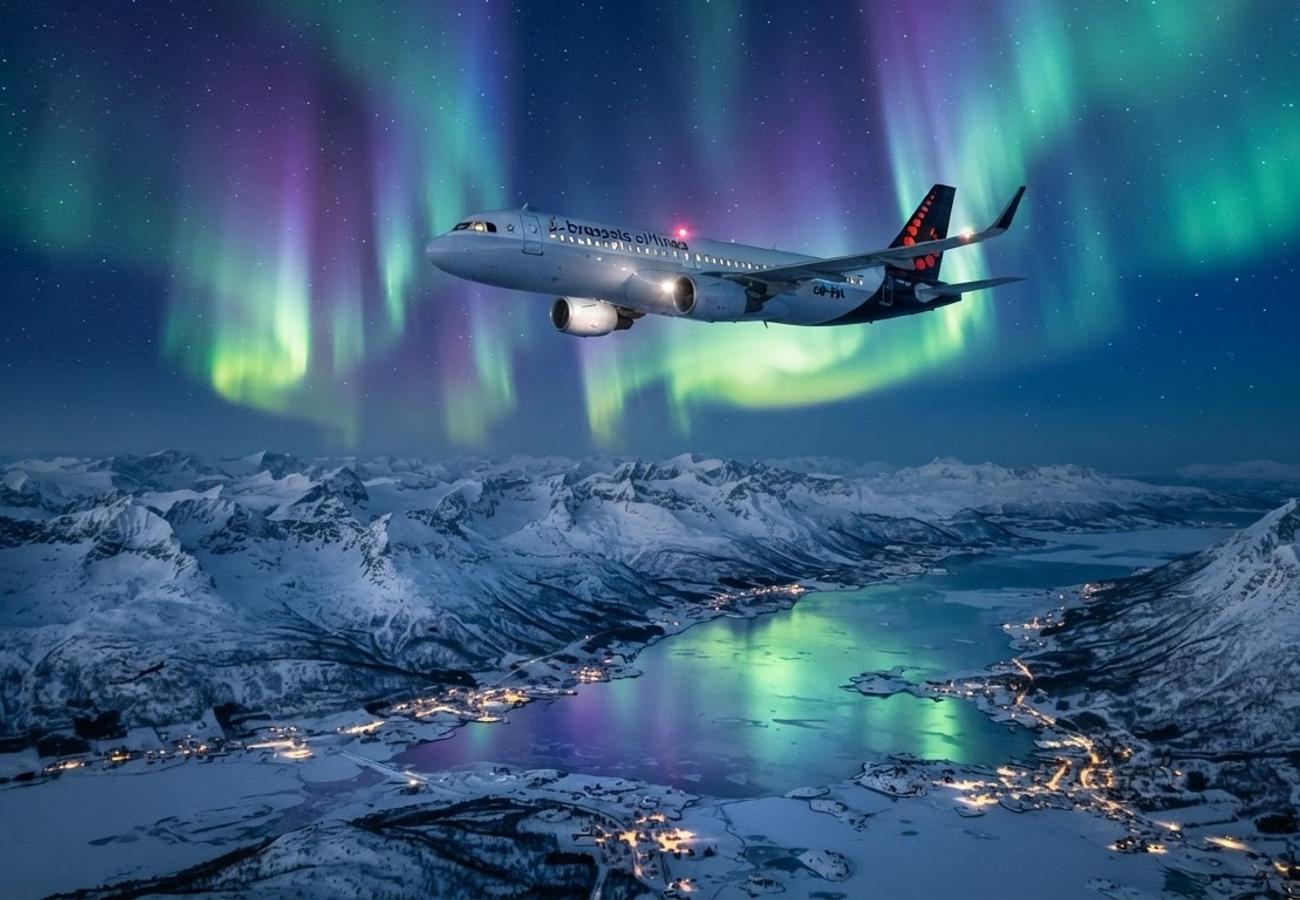
Image generated by AI
Brussels Airlines is aggressively expanding its Arctic footprint for the 2026 winter season, increasing flight frequencies from Brussels to Tromsø, Norway, and Kittilä, Finland. This strategic shift targets the high-growth "cold-climate escape" market and the rising demand for Northern Lights tourism.
Arctic Network Expansion Details
Our analysis of current flight schedules and network maps from Brussels Airport indicates a targeted increase in seasonal capacity. Brussels Airlines is transitioning Tromsø and Kittilä from occasional charters to established recurring winter routes.
These operations are strictly limited-season, with flight clusters concentrated during the core winter months. This timing aligns with peak polar night activity and maximum Northern Lights visibility, allowing the carrier to optimize aircraft utilization by pivoting from summer sun destinations to high-latitude leisure routes.
The expansion is driven by reported double-digit growth in passenger demand for Scandinavia, as Belgian travelers increasingly seek alternatives to overcrowded Mediterranean hubs.
Flight and Airport Impact Breakdown
The network adjustments focus on two distinct Arctic gateways, each serving different traveler demographics:
- Tromsø (TOS), Norway: Positioned as the urban Arctic hub. This route caters to passengers seeking a combination of city infrastructure and wilderness access for whale watching, fjord cruises, and aurora hunting.
- Kittilä (KTT), Finland: Positioned as the resort gateway. This route primarily serves the Levi and Ylläs ski areas and Lapland village experiences, with a heavy concentration of flights between December and February.
- Operational Strategy: The airline is deploying narrow-body aircraft to these routes, which limits total seat capacity per flight and increases the likelihood of rapid sell-outs during peak December and January windows.
Passenger Rights and Advisory
For the affected passenger traveling on these seasonal routes, the concentrated nature of Arctic operations introduces specific risks. Our analysis of aviation policy and regional logistics suggests the following:
Rebooking and Delay Rights Because these flights often operate on a "limited-run" basis, a cancellation can be more disruptive than on a daily route. Under EU Regulation 261/2004, passengers on these Brussels-based flights are entitled to:
- Duty of Care: If a flight is delayed or cancelled, the airline must provide meals, refreshments, and hotel accommodation if an overnight stay is required.
- Compensation: Depending on the reason for the delay (excluding "extraordinary circumstances" such as extreme Arctic weather), passengers may be entitled to compensation up to €600.
Operational Advice for Arctic Travelers
- Booking Windows: Due to the use of narrow-body jets with limited seating, we advise booking at least 3-4 months in advance for Christmas and school holiday periods to avoid price spikes.
- Logistical Alignment: Arctic flights often utilize early morning or late evening slots to maximize stay duration. Passengers must verify that their onward transfers to remote lodges or ski resorts in Lapland and Northern Norway align with these specific arrival times.
- Weather Contingencies: Arctic operations are highly susceptible to weather-related disruptions. We recommend comprehensive travel insurance that specifically covers "trip interruption" for high-latitude destinations.
Industry Analyst View
The move by Brussels Airlines reflects a broader European aviation trend: the "niche-ification" of winter travel. By diversifying away from traditional Alpine markets and moving into the Arctic, the carrier is insulating itself against the volatility of any single leisure market.
Furthermore, the integration of these routes supports a multi-country itinerary strategy. By providing direct access to both Norway and Finland, Brussels Airlines enables tour operators to package "Arctic Circles" trips, reducing the reliance on larger, congested hubs like Oslo or Helsinki. This not only improves the passenger experience but also stabilizes aircraft utilization rates during the typically slower winter medium-haul period.
Strategic expansion into the Arctic suggests a long-term bet on experiential travel over traditional sun-and-sand tourism.
Related Travel Guides
Disclaimer
This article is for informational and educational purposes only. It does not constitute legal, financial, or professional advice. While we strive to provide accurate and up-to-date information, travel policies, regulations, and conditions change rapidly. Always verify information with official sources before making travel decisions. Nomad Lawyer makes no representations about the accuracy, reliability, completeness, or suitability of the information provided. Readers should consult qualified professionals for advice specific to their circumstances. The views expressed in this article are those of the author and do not necessarily reflect the views of Nomad Lawyer.
Raushan Kumar
Founder & Lead Developer
Full-stack developer with 11+ years of experience and a passionate traveller. Raushan built Nomad Lawyer from the ground up with a vision to create the best travel and law experience on the web.
Learn more about our team →