British Airways Ignites India Travel Growth With Powerful Third Daily Delhi London Heathrow Flight Expansion

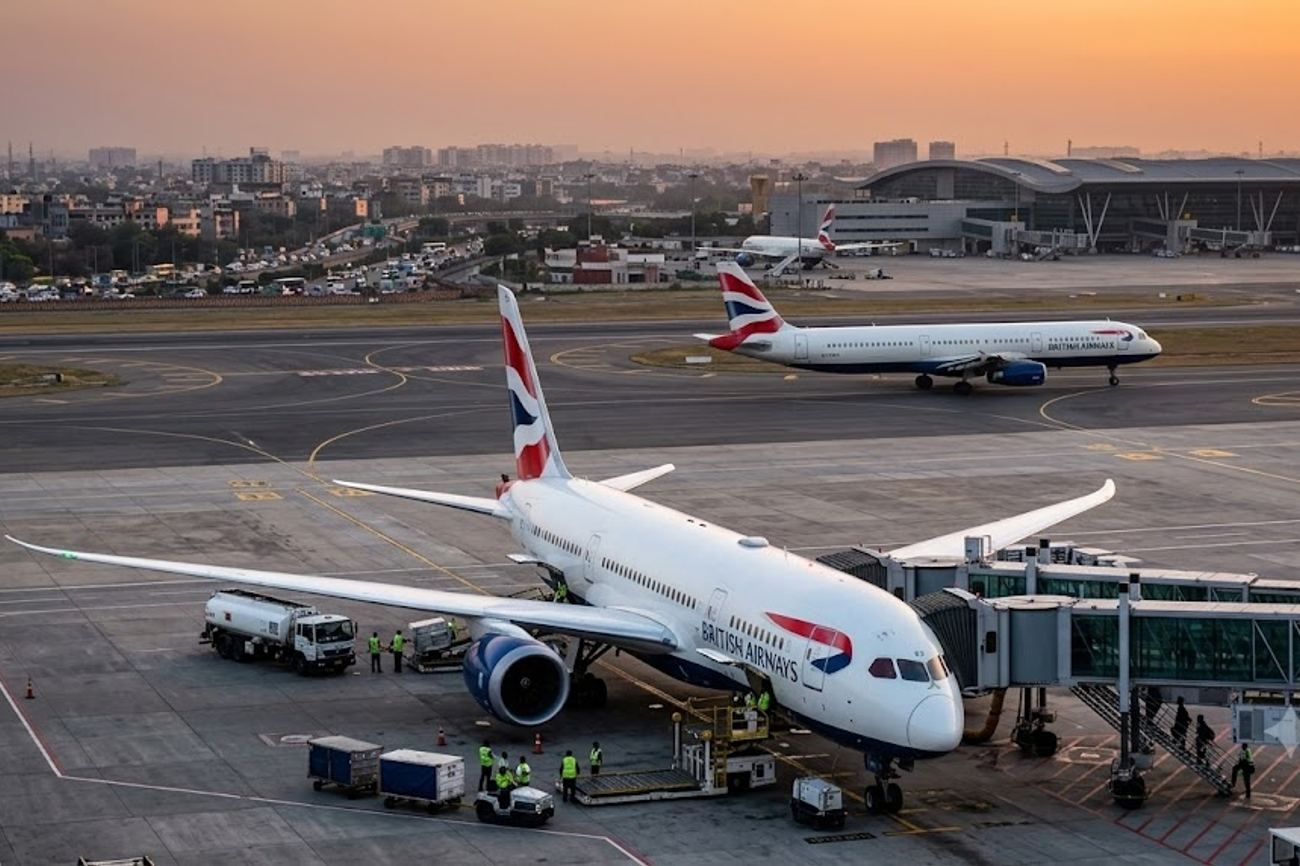
Image generated by AI
A 25% increase in annual flight capacity between India and the United Kingdom signals a strategic pivot by British Airways to capture the surging demand within one of the world's most lucrative aviation corridors. By deploying a third daily service from Delhi to London Heathrow, the carrier is not merely adding seats but is positioning itself as the primary conduit for a new era of bilateral economic integration.
The Geopolitical Engine Behind Capacity Growth
The decision to scale operations in Delhi is not a vacuum-sealed commercial choice; it is a direct response to the shifting regulatory and economic framework between New Delhi and London. The expansion coincides with the entry into force of the UK-India Free Trade Agreement, a legislative milestone designed to slash tariffs and dismantle trade barriers. In the aviation sector, trade agreements are leading indicators of passenger volume. As corporate entities increase their footprint in both markets, the demand for high-frequency, reliable business travel spikes.
British Airways is leveraging the Boeing 787 Dreamliner for this expansion. The choice of aircraft is tactical. The 787 offers the fuel efficiency required for long-haul endurance while providing the cabin pressure and humidity levels that reduce jet lag—a critical selling point for the corporate travelers and diplomats who form the backbone of the Delhi-London route. By increasing the frequency to three daily flights, the airline eliminates the "scheduling friction" that often drives business travelers toward competitors or alternative hubs.
Quantifying the India-UK Network Expansion
The scale of this operation reveals a concerted effort to dominate the Indian subcontinent's premium travel segment. The winter travel season will see the airline operating up to 70 weekly flights between India and London Heathrow. This volume suggests that the carrier is betting on a sustained upward trajectory in passenger loads, rather than a seasonal spike.
The following data outlines the current operational footprint of British Airways across its Indian network:
| Indian City | Daily Flight Frequency | Primary Hub Connection |
|---|---|---|
| Delhi | 3 Flights | London Heathrow (LHR) |
| Mumbai | 3 Flights | London Heathrow (LHR) |
| Bengaluru | 2 Flights | London Heathrow (LHR) |
| Hyderabad | 1 Flight | London Heathrow (LHR) |
| Chennai | 1 Flight | London Heathrow (LHR) |
The Delhi expansion is particularly significant because the capital serves as the primary gateway for government officials, students, and the burgeoning tech-sector leadership. By strengthening this specific node, British Airways enhances its "hub-and-spoke" efficiency. Passengers arriving from Delhi are not just destined for London; they are utilizing London Heathrow as a springboard to North America and Europe.
Expert Analysis: The Hub-and-Spoke Power Play
For travelers booking this route, the direct consequence of a third daily flight is a significant reduction in "missed connection" risk and increased pricing transparency. When an airline increases frequency on a high-demand route, it typically creates more "buckets" of fare classes, which can prevent the extreme price spikes seen when only one or two flights per day are available.
However, the deeper strategic play here is the battle for transit dominance. British Airways is competing against Gulf carriers—such as Emirates and Qatar Airways—which have historically dominated India-to-West travel by offering competitive pricing and luxury transit experiences in Dubai and Doha. By offering a direct, high-frequency service to London, British Airways is attempting to reclaim the "time-value" proposition. For a high-net-worth traveler or a corporate executive, saving six hours of transit time is often more valuable than a lower ticket price.
Furthermore, the airline's investment in "soft" infrastructure—such as the Meet and Assist service used by over 17,000 customers and the deployment of Indian cabin crew across all domestic ports—indicates a shift toward cultural localization. This is a defensive move against the hospitality-heavy service models of Middle Eastern airlines. British Airways is recognizing that in the Indian market, the "experience" begins at the check-in counter, not just in the air. The integration of curated Indian meal choices is a low-cost, high-impact method of increasing passenger loyalty in a market where culinary preferences are a primary driver of satisfaction.
British Airways has announced the expansion of its Delhi to London Heathrow service with a third daily flight, marking a significant boost to India travel growth. This new flight schedule is expected to enhance passenger connectivity and convenience, with more options for travelers to plan their journeys. For the latest information on flight schedules and bookings, passengers can visit the British Airways official website to plan their travel.
The pricing pressure created by this capacity increase will likely force other carriers to either match the frequency or lower their fares to remain competitive. For the nomad lawyer or the international consultant, this means more flexibility in scheduling and a likely stabilization of business-class fares during peak winter windows.
Key Takeaways
- Capacity Surge: British Airways has increased its India-UK flight capacity by 25% year-over-year, reaching 70 weekly flights during the winter season.
- Strategic Frequency: Delhi now sees three daily flights operated by Boeing 787 aircraft, mirroring the frequency provided to Mumbai.
- Economic Catalyst: The expansion is timed to align with the UK-India Free Trade Agreement, anticipating a rise in corporate and diplomatic travel.
- Network Reach: The airline maintains a five-city Indian footprint, including Bengaluru (2 daily), Hyderabad (1 daily), and Chennai (1 daily).
- Service Localization: Over 17,000 passengers have utilized the Meet and Assist service, part of a broader strategy to localize the passenger experience for Indian travelers.
FAQ: British Airways India Routes 2024-2025
How many flights does British Airways operate from Delhi to London daily? As of September 20, British Airways has increased its service to three daily flights from Delhi to London Heathrow, utilizing Boeing 787 aircraft to accommodate higher passenger volumes.
Which Indian cities are served by British Airways? The airline currently operates flights from five major Indian hubs: Delhi, Mumbai, Bengaluru, Hyderabad, and Chennai, all connecting through London Heathrow.
What is the "Meet and Assist" service for Indian travelers? It is a complimentary guidance service designed to help passengers navigate complex airport procedures during international departures and arrivals; it has been used by more than 17,000 customers.
How does the UK-India Free Trade Agreement affect flights? The agreement fosters closer economic and trade ties, which typically increases the volume of business travel and tourism, prompting airlines to add more capacity and frequency to these routes.
The battle for the Indian skies is no longer just about seat count, but about who can most efficiently bridge the gap between New Delhi and the global economy.
Tags: British Airways, Delhi-London Route, UK-India Free Trade Agreement, London Heathrow, Boeing 787, India Aviation 2024
Related Travel Guides
This article is for informational purposes. Flight routes, passenger regulations, visa rules, and transit advisories are subject to change by airlines and aviation authorities. Readers are advised to verify schedules and travel documentation with relevant carriers and border agencies before departure.
Related Stories

Jet Airways vs. Boeing NCLAT Battle: Why Manufacturer Litigation Offers No Quick Ticket Refunds for Indian Travel Agents

easyJet Launches Direct Liverpool to Reykjavik Flights: Inside the North West's New Winter Gateway to Iceland