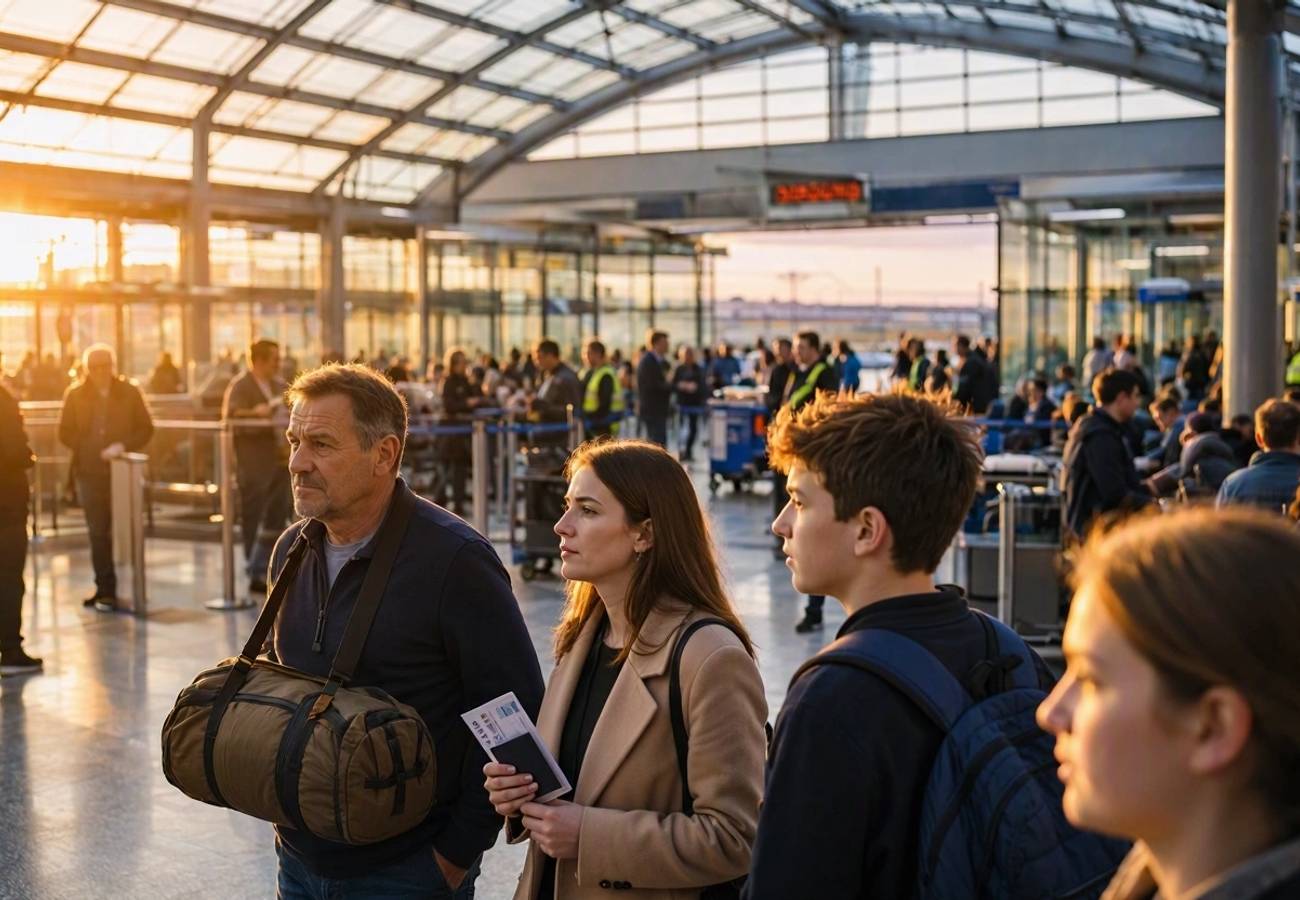
Brazil Travel Advisory 2026: Level 2 Warning Flags Express Kidnappings and Digital Crime

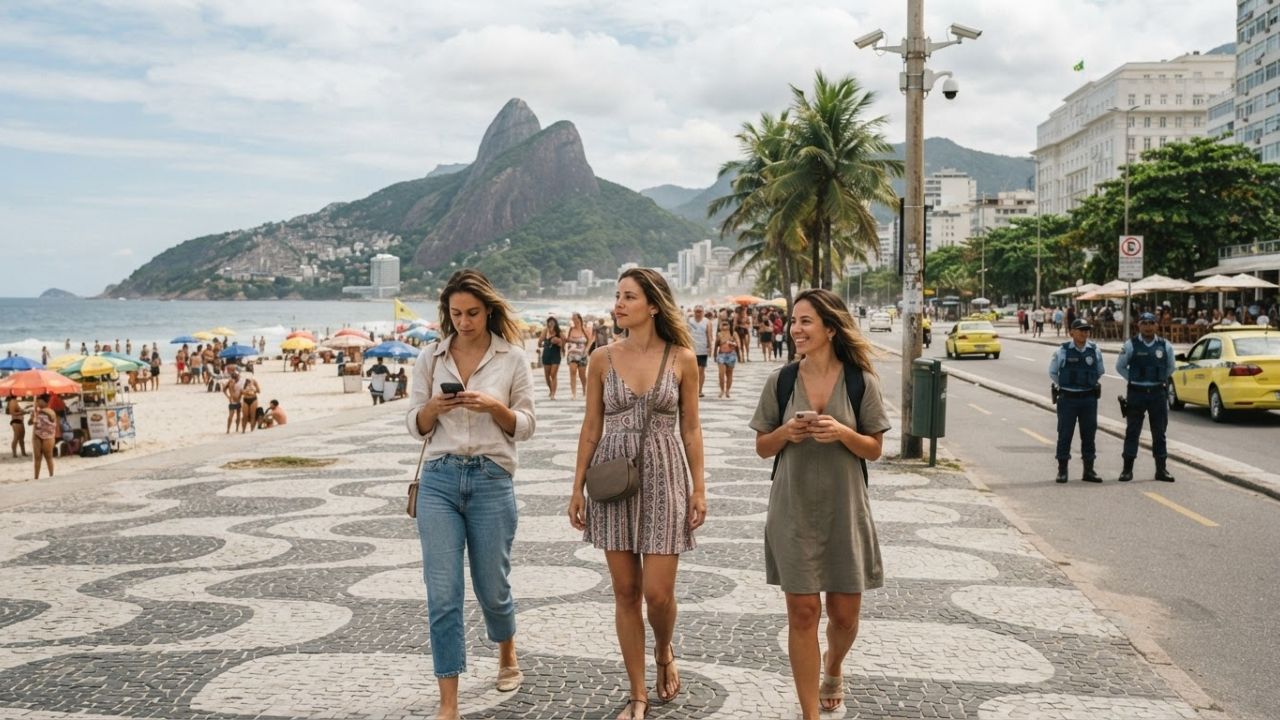
Image generated by AI
Maintaining a Level 2 travel advisory for Brazil, international authorities urge visitors across Rio de Janeiro, São Paulo, and Brasília to adopt heightened security protocols against express kidnappings, digital banking extortion, and drink-spiking incidents.
Evaluating the 2026 Brazil Level 2 Travel Advisory
The US Department of State has reaffirmed its Level 2 travel advisory for Brazil, instructing international tourists to exercise increased caution due to persistent urban crime patterns. The advisory categorizes Brazil alongside popular worldwide destinations that warrant heightened situational awareness rather than travel cancellation, recognizing that the vast majority of international trips conclude without incident.
Official security assessments identify armed robbery, vehicular carjackings, opportunistic theft, and assault as primary urban concerns. These incidents occur across both daylight and evening hours in major metropolitan centers. Authorities emphasize that the warning does not impose blanket travel bans; rather, it aims to equip leisure travelers, eco-tourists, and business delegations with pragmatic risk-mitigation measures while visiting premier cultural and natural landmarks.
Federal agencies and Brazil's international tourism board, Embratur, continue to welcome millions of annual visitors drawn to the country's celebrated coastal stretches, Carnival traditions, UNESCO-designated heritage towns, the Amazon rainforest basin, and Iguazu Falls. The core objective for inbound travelers is understanding local nuances, distinguishing between secure tourism zones and elevated-risk neighborhoods.
Anatomy of Modern Urban Risks: Digital Banking Thefts and Express Kidnappings
The nature of tourist-targeted crime in Brazil has evolved alongside mobile financial technology. While traditional petty theft remains prevalent along tourist corridors, security agencies have highlighted sophisticated vectors that require specific defensive habits:
- Express Kidnappings and Forced Fund Transfers: Criminal networks increasingly execute short-duration abductions. Victims are detained for several hours and coerced into withdrawing maximum daily cash limits from automated teller machines (ATMs) or executing instant mobile transfers via electronic banking platforms and Brazil's instant payment system, Pix.
- Social and Nightlife Seduction Scams: Consular alerts caution travelers against meeting unknown acquaintances via dating applications or nightlife venues without verified safeguards. Criminals have utilized chemical incapacitants to spike beverages before robbing victims of their electronic devices, credit cards, and banking credentials.
- Transit and Hub Vulnerabilities: Airports, intercity bus terminals, and public transit interchanges remain active environments for organized luggage diversions and distraction thefts targeting incoming international arrivals unfamiliar with their surroundings.
| Regional Hub | Risk Profile & Advisory Focus | Recommended Traveler Protocol |
|---|---|---|
| Rio de Janeiro | Street robberies near Copacabana, Ipanema, Lapa; favela border zones | Avoid displaying high-end smartphones; use vetted radio taxis or app-based rides |
| São Paulo | Distraction theft in Centro Histórico; express kidnappings in nightlife districts | Restrict financial apps on daily phones; patronize well-lit dining corridors |
| Brasília | Evening muggings near bus stations; commercial banking sector scams | Use indoor ATMs located within secured malls or bank lobbies during daylight |
| Amazon & Iguazu | Remote terrain; unregulated transport operators | Book solely through licensed Embratur and Cadastur certified operators |
Cultural and Ecological Immersion: Navigating Heritage Sustainably
Navigating Brazil with situational awareness allows travelers to engage deeply with its ecological wonders and community-led heritage. In Rio de Janeiro, the UNESCO-listed cultural urban layout—stretching from the Tijuca National Park massif down to the Atlantic coastline—demonstrates remarkable conservation success. Tijuca stands as one of the world's largest urban reforested rainforests, offering sustainable hiking corridors that require only basic trail discipline and licensed local naturalists.
In historical neighborhoods like Santa Teresa in Rio or Pelourinho in Salvador da Bahia, cultural tourism directly sustains local preservation trusts, independent art studios, and historic architecture foundations. Travelers support regional equity by patronizing community-managed walking circuits led by accredited local resident guilds, ensuring tourism revenues flow directly into neighborhood education, sanitary infrastructure, and cultural arts programs.
Similarly, sustainable tourism initiatives across the Atlantic Forest biome and the Pantanal wetlands rely heavily on international visitor fees to fund anti-poaching patrols and habitat preservation. By booking through certified eco-lodges that observe environmental leave-no-trace standards, travelers provide essential economic incentives for preserving native biodiversity.
Local Insider Safety and Cultural Etiquette Protocols
Experienced travelers navigate Brazilian cities safely by adhering to local urban customs and practical operational habits:
- Implement the "Two-Device" Financial Rule: When venturing out for sightseeing or beach visits, carry a secondary, budget smartphone that contains no linked banking, investment, or crypto accounts. Keep your primary financial devices secured inside your hotel safe to neutralize the threat of forced digital fund transfers.
- Embrace Neighborhood Dining Traditions Safely: Savor authentic local gastronomy in secure, established dining quarters. Join locals for Saturday afternoon feijoada (slow-cooked black bean and pork stew) in residential enclaves like Urca in Rio or Pinheiros and Vila Madalena in São Paulo. Order fresh pão de queijo and tropical juices from licensed beach kiosks (quiosques) rather than informal street vendors.
- Master Transit Etiquette: Never flag down unvetted street cabs late at night. Utilize reputable app-based ride services (requesting premium tiers like Comfort or Black for enhanced vehicle standards) or arrange pre-booked radio taxis through your hotel concierge.
- Beach Smart Practices: On Copacabana, Ipanema, and Barra da Tijuca beaches, leave watches, gold jewelry, and original passports in your room safe. Carry only sufficient physical cash or a single debit card with a strict daily expenditure limit for coconut water and chair rentals.
- Emergency Infrastructure Access: Program the contact details of the specialized tourist police into your mobile device. In Rio de Janeiro, the Specialized Tourism Police Station (DEAT - Delegacia Especial de Apoio ao Turismo) provides multilingual assistance and rapid response for international travelers.
Economic Impact and Long-Term Tourism Outlook
The global travel sector increasingly benchmarks destinations on safety infrastructure and transparent risk communication. For Brazil, preserving international visitor confidence directly affects employment across the aviation, hotel, gastronomy, and cultural entertainment industries.
Federal initiatives led by the Ministry of Tourism and municipal law enforcement agencies continue to expand tourist policing patrols in high-density visitor hubs like Sugarloaf Mountain, Corcovado, and historic city centers. By balancing security enhancements with authentic community hospitality, Brazil remains one of the world's most rewarding long-haul destinations for travelers who practice informed, culturally attuned safety protocols.
Frequently Asked Questions: Brazil Travel Safety in 2026
What does the US State Department Level 2 advisory mean for Brazil? A Level 2 advisory advises travelers to "Exercise Increased Caution" due to crime rates. It does not instruct travelers to avoid the country, but recommends elevated awareness, avoiding isolated areas, and securing personal devices.
Is it safe to visit Christ the Redeemer and Sugarloaf Mountain? Yes. Major tourist attractions in Rio de Janeiro have dedicated security and police presence. Visitors should utilize organized tour transport or vetted ride-hailing services and avoid displaying expensive jewelry or electronics.
How can travelers protect themselves from digital banking theft in Brazil? Travelers should remove sensitive banking and investment applications from the smartphone they carry daily. Using temporary travel cards with preset daily spending limits prevents substantial losses during express robberies.
What should I do if involved in an emergency in Rio de Janeiro? Contact the Specialized Tourist Police (DEAT) on +55 (21) 2332-2924 or dial 190 for military police emergency dispatch. Keep digital copies of your passport stored securely in cloud storage.
Related Travel Guides
This article is for informational purposes. Flight routes, passenger regulations, visa rules, and transit advisories are subject to change by airlines and aviation authorities. Readers are advised to verify schedules and travel documentation with relevant carriers and border agencies before departure.
Related Stories

Israel Tourism Recovery 2026: North American Flight Restorations and New ETA-IL Entry Rules

Brazil Tourism Revenue Hits Record USD 8.3 Billion in First Nine Months of 2026