
European Entry Requirements 2026: Where to Find Official Travel Documents and Visa Rules
Navigate the complexities of European border controls with our comprehensive guide on where to find official entry requirements, health documentation, and current travel restrictions for EU nations.

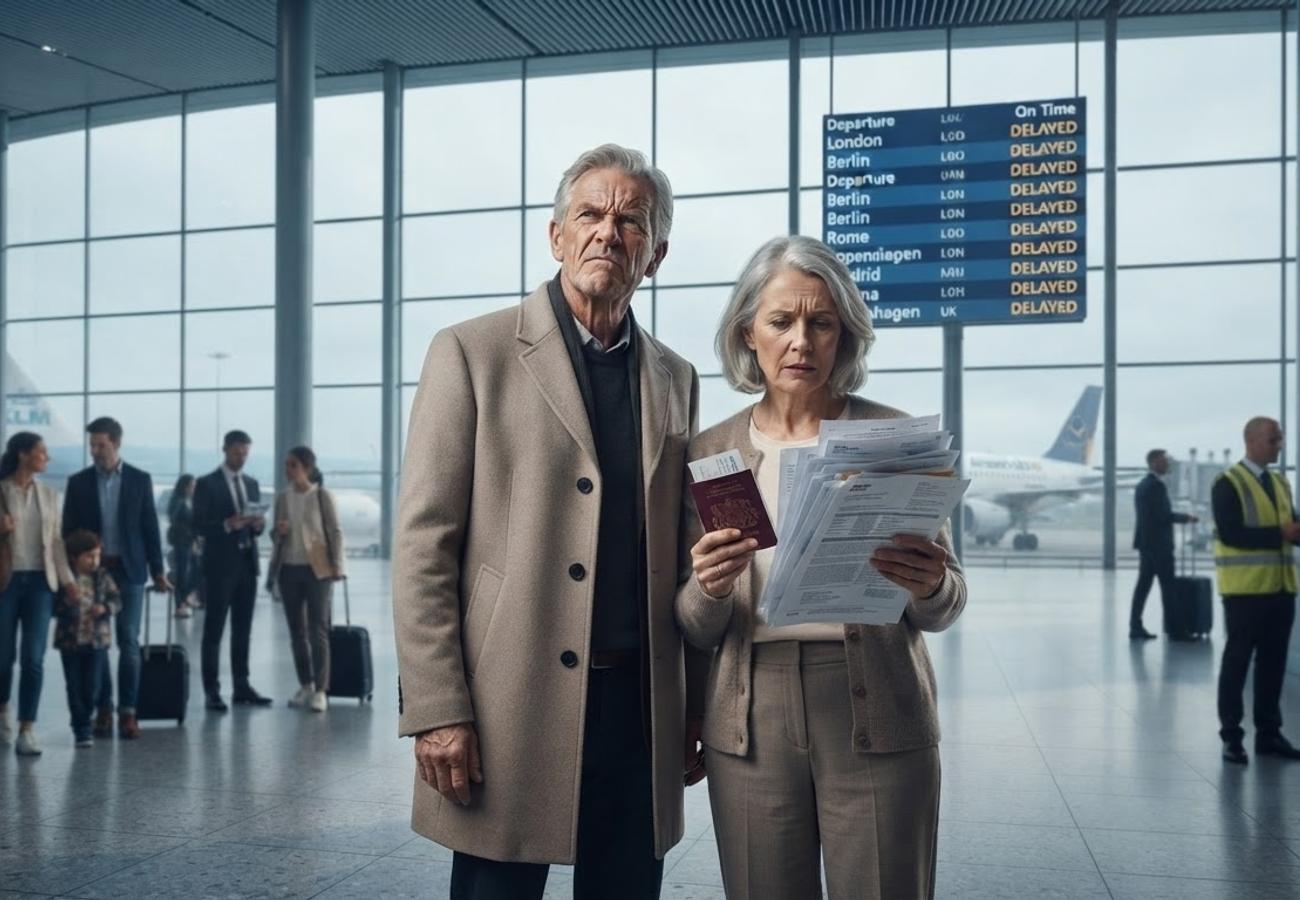
Image generated by AI
Navigating the border protocols of the European Union requires more than just a valid passport. While many of the stringent restrictions seen in previous years have eased, a fragmented landscape of national rules remains. Passengers frequently face boarding denials not because of a lack of eligibility, but due to a lack of specific, up-to-date documentation required by individual member states.
The primary challenge for modern travelers is "information asymmetry"—the gap between generic travel advice and the actual legal requirements enforced at the gate. To ensure a seamless transit, travelers must pivot from third-party blogs to official government portals.
Navigating National Entry Protocols
Different EU nations maintain varying levels of oversight regarding health documentation and transit forms. While some have completely dismantled their pandemic-era checkpoints, others maintain "white lists" or specific requirements for "third-country" nationals (those traveling from outside the EU or Schengen Area).
The following data outlines the specific requirements and official verification sources for key European destinations.
Detailed Entry Requirements by Country
| Country | Health/Travel Form Required? | Official Documentation Needed? | Quarantine Mandates | Mask Requirements | Minors' Special Rules | Official Source |
|---|---|---|---|---|---|---|
| Austria | No | No | No | FFP2 required on public transport & essential shops | None | Austria.info |
| Belgium | Yes (Non-EU/Schengen non-white list) | Vaccination, Recovery, or Negative Test | 10 days for "very high-risk" zones | Required on public transport | Under 12: No health docs; must be on PLF | Info-Coronavirus.be |
| Bulgaria | No | No | No | Recommended on transport/hospitals | None | MFA Bulgaria |
| Croatia | No | No | No | Required in health institutions | None | Croatia.hr |
| Cyprus | No | Negative test (if unvaccinated/not recovered) | No | No | None | VisitCyprus.com |
| Czech Republic | No | No | No | Required in medical & social service buildings | None | VisitCzechRepublic.com |
| Denmark | No | No | No | Required in hospitals, care homes, and aircraft | None | Coronasmitte.dk |
| Estonia | No | Yes (Third-country nationals only) | Yes (If no docs provided) | Required in some restaurants & transport | Under 12: No restrictions | Kriis.ee |
| Finland | No | Yes (Third-country nationals: UK, US, Turkey) | No | Variable by region | Variable | Finland.fi |
Strategic Advice for International Transit
To avoid the risk of being denied boarding, travelers should adopt a "source-first" verification strategy. Relying on outdated articles can lead to costly mistakes, as border policies can shift with minimal notice.
- Verify "Third-Country" Status: If you are traveling from outside the EU or Schengen Area, check if your origin country is on a specific "white list" or "green list." This status often determines whether you need a Passenger Locator Form (PLF).
- Distinguish Mask Types: Note that some countries, like Austria, specifically mandate FFP2 masks rather than standard surgical masks in high-risk areas.
- Document Digitalization: Where possible, use EU-compliant digital certificates. These are more widely accepted and faster to verify at automated border kiosks.
- Minor Exemptions: While children under 12 are often exempt from vaccination or testing requirements, they almost always still need to be listed on travel and health forms to be admitted.
The Impact of Non-Compliance
The financial and logistical impact of missing a single document is significant. Airlines are legally obligated to deny boarding to passengers who do not meet the destination country's entry requirements. In such cases, the burden of cost for rebooking flights and securing emergency accommodation falls entirely on the traveler.
The most effective travel insurance is a thorough check of official government portals 72 hours before departure.
Related Travel Guides
Disclaimer
This article is for informational and educational purposes only. It does not constitute legal, financial, or professional advice. While we strive to provide accurate and up-to-date information, travel policies, regulations, and conditions change rapidly. Always verify information with official sources before making travel decisions. Nomad Lawyer makes no representations about the accuracy, reliability, completeness, or suitability of the information provided. Readers should consult qualified professionals for advice specific to their circumstances. The views expressed in this article are those of the author and do not necessarily reflect the views of Nomad Lawyer.
Kunal K Choudhary
Co-Founder & Contributor
A passionate traveller and tech enthusiast. Kunal contributes to the vision and growth of Nomad Lawyer, bringing fresh perspectives and driving the community forward.
Learn more about our team →