
Brazil Keeps Pace With Argentina as Hotel Investment in the Americas Fuels a New Chapter for Emerging Destinations
Brazil Keeps Pace With Argentina as Hotel Investment in the Americas Fuels a New Chapter for Emerging Destinations

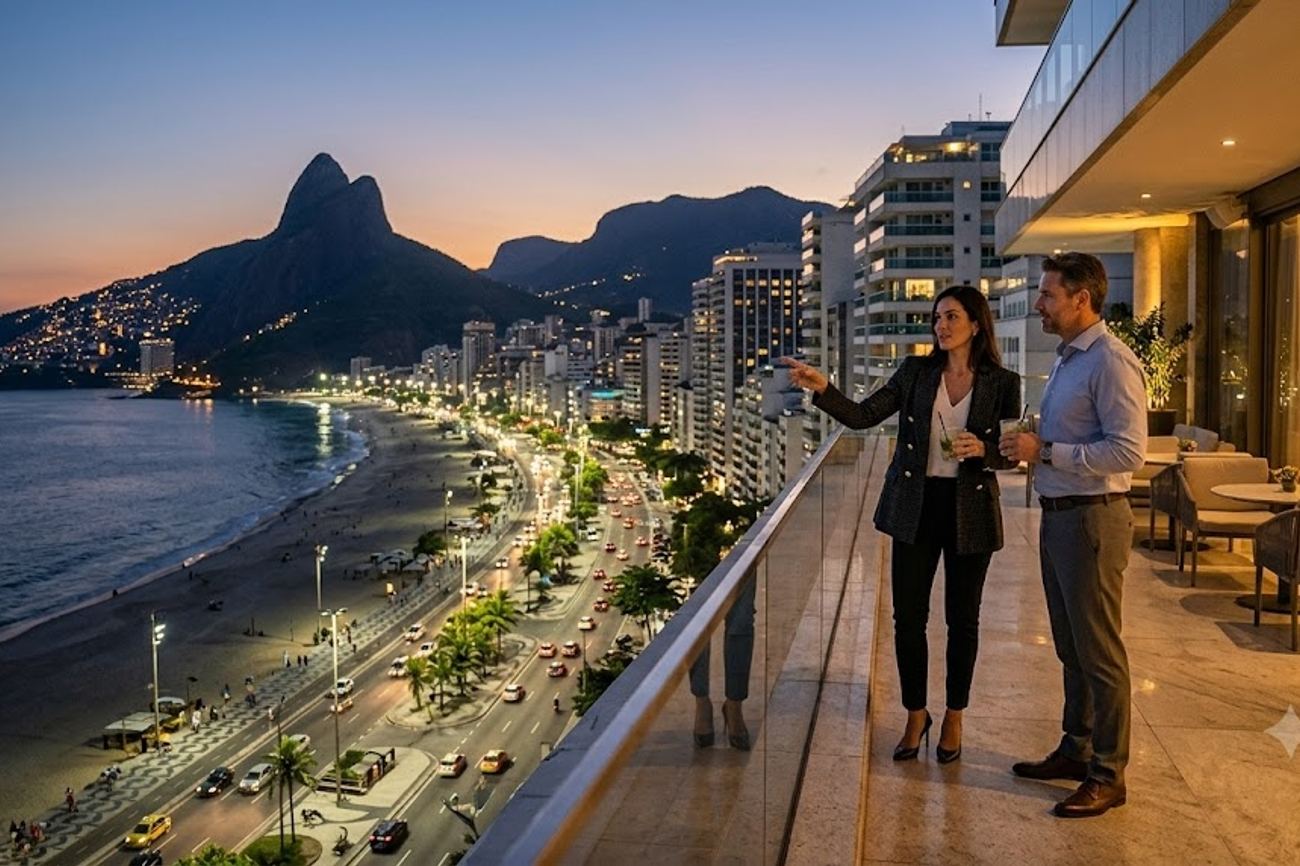
Image generated by AI
While most visitors to Brazil gravitate toward the neon lights of Rio or the concrete jungle of São Paulo, a quiet revolution is happening in the secondary cities. In a dramatic shift in regional investment, 73% of new hotel rooms currently being developed in Brazil are located outside the country's capital cities, signaling a move toward destinations that offer deeper cultural immersion and specialized experiences.
The Great Latin American Hospitality Pivot
The map of the Americas is being redrawn. We are seeing a strategic migration of capital away from the exhausted "gateway" cities and toward regional hubs that possess a unique blend of air connectivity and authentic local identity. By the second quarter of 2026, the hotel pipeline across Latin America reached a staggering 759 projects, totaling 111,340 rooms. This isn't just a slight increase; early-stage planning for new properties has surged by 22% year on year.
What is most interesting from a traveler's perspective is the type of growth. We aren't just seeing a flood of budget hostels. The upper-upscale category has hit a record 133 projects and 22,869 rooms. Furthermore, there is a record number of conversions and renovations. This means that instead of generic glass towers, we are seeing historic colonial buildings and old warehouses being breathed back to life as luxury boutiques.
Brazil is leading this charge with 140 projects and 20,181 rooms in its regional pipeline. The investment is massive—exceeding R$10.5 billion through 2029—and it is targeting the "demand engines" that make a city resilient: a mix of gastronomy, wellness, heritage, and business.
What Makes These New Hubs Different
The shift toward cities like Florianópolis, Recife, and João Pessoa represents a move toward "multi-modal" tourism. These aren't just vacation spots; they are ecosystems.
In Florianópolis, the narrative is shifting from "seasonal beach town" to a tech-forward hub. The planned R$94 million Hilton Garden Inn, featuring 288 rooms near the airport, is a signal that the city is positioning itself as a bridge between high-end leisure and the technology sector. For the visitor, this means the city is becoming viable for year-round visits, not just during the scorching summer months.
Recife is taking a different approach, using hospitality to fuel urban regeneration. The Bairro do Recife is the epicenter of this, where the first Motto by Hilton in Brazil opened in 2026. With a R$53.2 million investment and 132 rooms, this project isn't just about beds; it's about integrating coworking spaces and rooftop venues into the Porto Digital tech district. It is a marriage of 17th-century heritage and 21st-century innovation.
Then there is João Pessoa, which is playing a double game. On one hand, it is courting massive resort luxury via the Jampa Ocean Palace Resort in the Cabo Branco Tourism Complex, backed by R$50 million in financing from the Northeast Development Fund. On the other, it is preserving its soul through a partnership with the Vila Galé group to convert the former Colégio Diocesano Pio XII—a historic landmark—into a hotel. This ensures that the city doesn't become a sterile resort colony but remains a living museum.
Meanwhile, in Colombia, Cartagena is proving that even "mature" destinations can evolve. Between 15 December 2025 and 15 January 2026, the city saw 1.3 million visitors—a 40% increase over the previous year. With hotel occupancy climbing to 81.28% and cruise arrivals hitting 59,079 (a 12.58% rise), the city is pivoting toward ultra-high-value luxury and restored heritage stays.
Visitor Insider Tips
If you are planning to visit these emerging hubs, forget the standard tourist circuit. To experience these cities like a local, follow these guidelines:
Florianópolis: Beyond the Sand Avoid the main beach strips during the peak of January. Instead, base yourself in the north if you want luxury and surfing, or the south for a more rugged, "Azorean" village feel. Use the airport-adjacent hubs for business, but rent a car to explore the interior lagoons.
Recife: The Digital Soul Spend your afternoons in Bairro do Recife. This is where the old port meets the tech world. Visit the coworking spaces and rooftop bars where the "Porto Digital" crowd hangs out. For the best cultural experience, visit the UNESCO World Heritage sites in nearby Olinda, but stay in Recife for the modern energy.
João Pessoa: The Sunrise Ritual João Pessoa is the easternmost point of the Americas. The local obsession is the sunrise. Head to Cabo Branco early; it is a spiritual experience for residents. When exploring the historic center, look for the converted colonial buildings—they offer a quiet contrast to the high-energy beach resorts.
Cartagena: The High-Value Pivot To avoid the cruise ship crowds (which surged to nearly 60,000 in the recent peak season), explore the Getsemaní neighborhood in the early morning. Instead of the big hotels, look for "Casas" (restored heritage homes) that have been converted into boutique stays. For official travel requirements and entry tips, check Visit Colombia.
Cultural and Environmental Context
The influx of over 111,000 new rooms across the region is a double-edged sword. While it brings jobs—such as the 250 positions created by the Motto by Hilton in Recife or the 6,000 expected from the Jampa Ocean Palace—it also places immense pressure on local infrastructure.
In cities like Cartagena, the surge in visitors (1.3 million in a single month) tests the limits of waste management and water supplies. The "luxury pivot" can also lead to gentrification, where historic neighborhoods become playgrounds for the wealthy, pushing local artisans and residents further to the periphery.
The most successful of these destinations are those implementing "visitor-management systems." By integrating hotel growth with public space improvements and transport upgrades, cities like Recife are attempting to ensure that tourism serves the city, rather than the city serving the tourists. The move toward "conversions" (renovating old buildings) is also a win for environmental sustainability, as it reduces the carbon footprint associated with new concrete construction.
FAQ: Visiting Latin America 2026
What is the best time to visit Brazil's northeast (Recife/João Pessoa)? The best window is between September and November. You avoid the heaviest summer crowds of December/January but still enjoy the tropical heat and clear skies before the rainy season peaks.
Do I need a visa for Colombia or Brazil? Visa requirements vary by nationality. Many Western travelers enter visa-free for tourism, but always check the official Consulate websites for the most current 2026 regulations.
How do I get to Florianópolis from São Paulo? The most efficient way is a direct flight into Florianópolis International Airport. With new hotel developments like the Hilton Garden Inn opening right at the terminal, it has become a seamless transition for business and leisure travelers.
Is it safe for solo travelers in Medellín and Cartagena? Yes, provided you stay in established neighborhoods and use registered transport apps. Both cities have significantly improved their tourist infrastructure, though standard urban caution is always advised.
The era of the "one-city" itinerary is over; the real soul of the Americas now lives in the secondary hubs.
#FlorianopolisTravel #RecifeHeritage #CartagenaLuxury #BrazilTourism2026 #LatinAmericaHospitality #JoaoPessoaTravel
Related Travel Guides
- PriceTravel Holding And Mangia’s Hotels Create A Powerful New Travel Network Connecting Italy With Global Travellers
- Aman Elevates Luxury Wellness Tourism With Exclusive Spa and Cultural Retreats in Japan
- India’s Van Rāsa Reveals A Stunning Himalayan Sanctuary Offering Privacy, Peace And Forest-Inspired Luxury
Disclaimer
This article is for informational and educational purposes only. It does not constitute legal, financial, or professional advice. While we strive to provide accurate and up-to-date information, travel policies, regulations, and conditions change rapidly. Always verify information with official sources before making travel decisions. Nomad Lawyer makes no representations about the accuracy, reliability, completeness, or suitability of the information provided. Readers should consult qualified professionals for advice specific to their circumstances. The views expressed in this article are those of the author and do not necessarily reflect the views of Nomad Lawyer.
Preeti Gunjan
Contributor & Community Manager
A passionate traveller and community builder. Preeti helps grow the Nomad Lawyer community, fostering engagement and bringing the reader experience to life.
Learn more about our team →