Brazil Expects to Witness a Different Dining Scene as Maní and a Few Other Restaurants Draw Food Lovers and Tourists Through Seasonal Menus

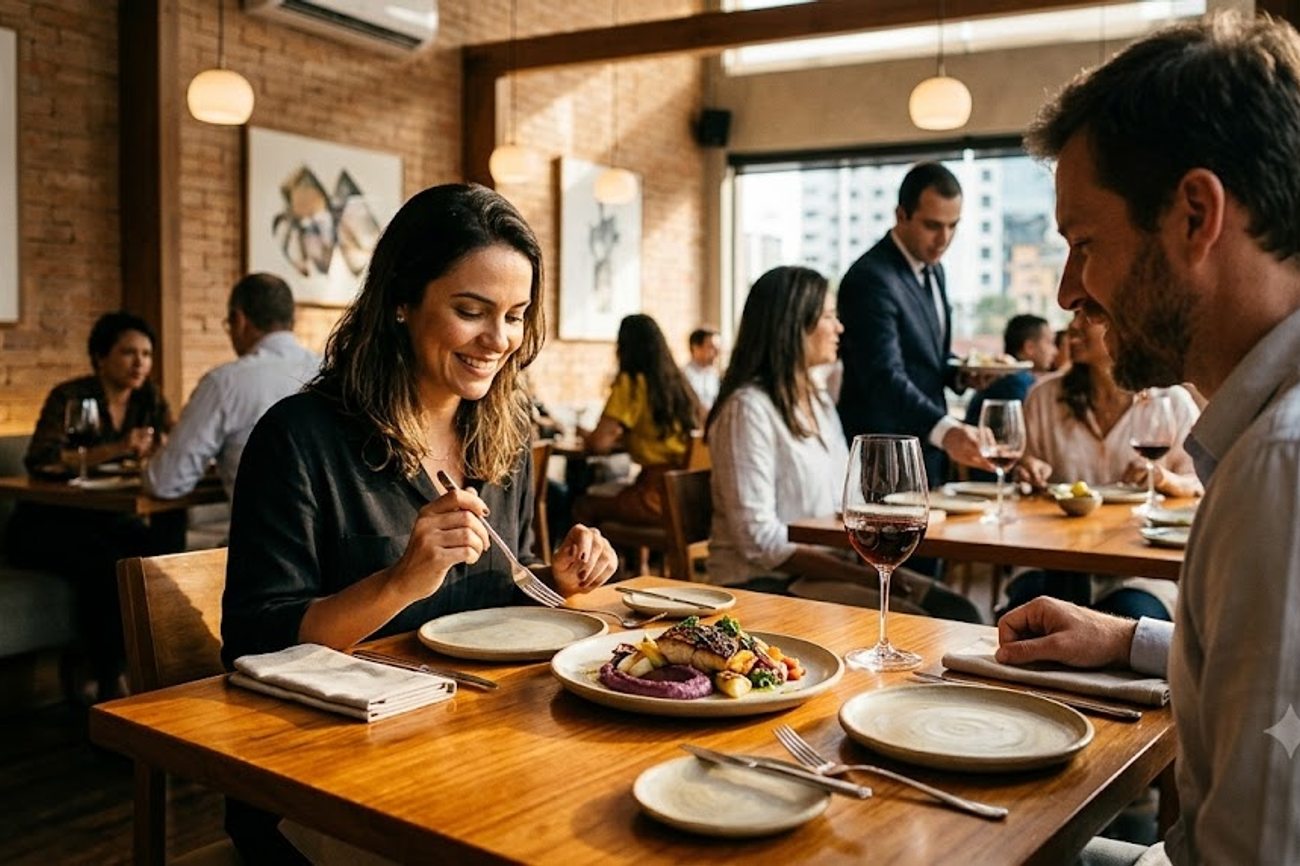
Image generated by AI
10 high-profile establishments across São Paulo, Rio de Janeiro, and Santarém are currently restructuring their operational models to pivot toward hyper-seasonal, ingredient-led menus for the autumn 2026 cycle. This shift represents a calculated move by Brazil's culinary elite to transition from standardized luxury dining to a model of "gastronomic tourism," where the menu serves as a logistical map of the country's biodiversity. By integrating indigenous ingredients like tucupi and jambu into high-end tasting menus, these restaurants are effectively commodifying the Brazilian ecosystem to attract a more discerning, eco-conscious international traveler.
The Logistics of Seasonal Gastronomy in Brazil
The transition toward autumn 2026 dining is not merely a culinary trend but a strategic alignment with the global rise of food-centric travel. In Brazil, the concept of "autumn" varies wildly by latitude, meaning the supply chain for these restaurants must be exceptionally agile. While São Paulo's urban kitchens rely on a network of regional producers to bring in highland vegetables and grains, coastal hubs like Rio de Janeiro are optimizing their procurement to favor Atlantic seafood and sustainable maritime harvests.
This movement is being spearheaded by a shift in how Brazilian chefs view their role. No longer content with importing European luxury staples, the industry is leaning into "native-first" sourcing. This involves establishing direct pipelines from the Amazon rainforest to urban centers, ensuring that ingredients such as pirarucu fish and native Amazonian fruits maintain their integrity from harvest to plate. For the traveler, this means the dining experience is now inextricably linked to the agricultural calendar of the Ministry of Agriculture and Livestock and the seasonal yields of Brazil's diverse biomes.
Regional Breakdown of Autumn 2026 Dining Projections
The following data outlines the strategic focus of the primary establishments leading this seasonal transition. The concentration of these restaurants in São Paulo underscores the city's role as the financial and culinary clearinghouse for the nation.
| Restaurant | Location | Core Culinary Philosophy | Autumn 2026 Strategic Focus | Key Seasonal Ingredients |
|---|---|---|---|---|
| D.O.M. | São Paulo | Modern Fine Dining | Biodiversity & Indigenous Sourcing | Tucupi, jambu, wild mushrooms, cassava |
| A Casa do Porco | São Paulo | Contemporary Brazilian | Farm-to-Table Pork & Roots | Fermented ingredients, seasonal roots, grains |
| Maní | São Paulo | Contemporary Brazilian | Local Produce Integration | Pumpkin, cassava, artisan herbs |
| Oteque | Rio de Janeiro | Modern Seafood | Sustainable Coastal Harvests | Atlantic seafood, native spices |
| Lasai | Rio de Janeiro | Farm-to-Table | Garden-Direct Sourcing | Regional produce, Brazilian herbs |
| Corrutela | São Paulo | Sustainable Brazilian | Organic Harvest Cycles | Fermented foods, organic grains |
| Tuju | São Paulo | Botanical-Inspired | Ecosystem-Based Gastronomy | Native plants, seasonal seafood |
| Aizomê | São Paulo | Japanese-Brazilian | Fusion of Technique & Territory | Brazilian roots, seasonal mushrooms |
| O Navegador | Rio de Janeiro | Regional Tradition | Historic Comfort Foods | Feijoada variations, seafood stews |
| Casa do Saulo | Santarém | Amazonian | Rainforest Harvests | Pirarucu, tucupi, Amazon fruits |
Expert Analysis: The Economic Shift Toward Bio-Gastronomy
For the international traveler, the evolution of Brazil's autumn 2026 menus signals a move away from "tourist menus"—which are typically static and designed for broad appeal—toward "experience-based dining." This is a critical distinction in the business of travel. When a restaurant like D.O.M. or Maní pivots its entire menu based on the availability of tucupi or specific Amazonian fruits, they are creating a scarcity model. This increases the perceived value of the meal and encourages repeat visits, as the offering in autumn will be fundamentally different from that of spring.
The pricing pressure created by this model is significant. Sourcing native ingredients from remote regions like Santarém for use in São Paulo involves complex cold-chain logistics and higher procurement costs. Consequently, travelers should expect a premium on tasting menus that feature these "bio-ingredients." However, the value proposition lies in the authenticity; the meal becomes a proxy for a journey through the Brazilian interior.
Furthermore, the integration of Japanese techniques at Aizomê reflects the geopolitical and cultural demographics of São Paulo, which hosts one of the largest Japanese populations outside of Japan. By blending these techniques with Brazilian autumn produce, the restaurant is not just selling food, but a narrative of migration and synthesis. For those booking trips to Brazil in 2026, the direct consequence is that dining reservations will likely become as competitive as hotel bookings, as these seasonal windows create a "limited time only" urgency.
Brazil's dining scene is expected to thrive with restaurants like Maní offering seasonal menus that cater to food lovers and tourists alike, drawing inspiration from the country's rich culinary heritage. For travelers planning to visit Brazil, it is essential to check the entry requirements and travel guidelines on the Brazilian Government's official website to ensure a smooth journey. By staying informed, visitors can focus on exploring the local cuisine and culture.
Key Takeaways
- Biodiversity as a Product: Restaurants are moving away from global luxury imports to focus on native Brazilian ingredients like cassava (mandioca), tucupi, and jambu.
- Geographic Clustering: São Paulo remains the epicenter of this movement, serving as the primary hub for experimental and contemporary Brazilian cuisine.
- Sustainable Sourcing: A strong emphasis on farm-to-table and organic harvests is evident, particularly in Rio de Janeiro and São Paulo, aligning with the standards of the World Tourism Organization (UNWTO).
- Amazonian Integration: Establishments in both Santarém and São Paulo are prioritizing the "Amazon harvest," bringing rainforest flavors to urban luxury settings.
- Experience-Driven Travel: Dining is transitioning from a utility to a primary travel motivator, where the menu serves as an educational tool regarding Brazil's heritage.
FAQ: Brazil Gastronomy 2026
Which city is best for a food-focused trip in autumn 2026? São Paulo is the premier choice due to the high density of innovative restaurants like D.O.M. and A Casa do Porco, which specialize in seasonal, native-ingredient tasting menus.
What are the "must-try" native ingredients in Brazil's autumn menus? Look for cassava (mandioca), tucupi (a fermented manioc juice), jambu (a tingling Amazonian herb), and pirarucu (a giant Amazonian fish), all of which are central to the 2026 seasonal shift.
Do I need to book these restaurants in advance? Yes. Because these restaurants are moving toward limited-run seasonal menus and are increasingly popular with international food tourists, advanced reservations are highly recommended.
How does "farm-to-table" work in the Brazilian context? It involves direct partnerships between chefs and local producers, particularly in Rio de Janeiro (e.g., Lasai), to ensure that only the freshest, most sustainable regional produce reaches the plate.
The plate is the new passport, and in 2026, Brazil is inviting the world to taste its geography.
Tags: D.O.M. Restaurant, São Paulo Gastronomy, Amazonian Cuisine 2026, Brazil Seasonal Dining, A Casa do Porco, Rio de Janeiro Seafood
Related Travel Guides
This article is for informational purposes. Flight routes, passenger regulations, visa rules, and transit advisories are subject to change by airlines and aviation authorities. Readers are advised to verify schedules and travel documentation with relevant carriers and border agencies before departure.
Related Stories

Spain Expands Muslim-Friendly Tourism Routes Beyond Andalusia to Valencia and Aragon in 2026
Kanazawa and Secondary Asian Cities Surge as Overtourism Taxes, Curfews, and High-Speed Rail Reshape Travel Demand in 2026