
Brazil Joins Argentina and Chile in Birth Tourism Crackdown as Russian Travelers Face Stricter Border Refusals
Brazil, Argentina, and Chile enforce strict border checks and citizenship rules to curb birth tourism, impacting Russian travelers and package agencies.

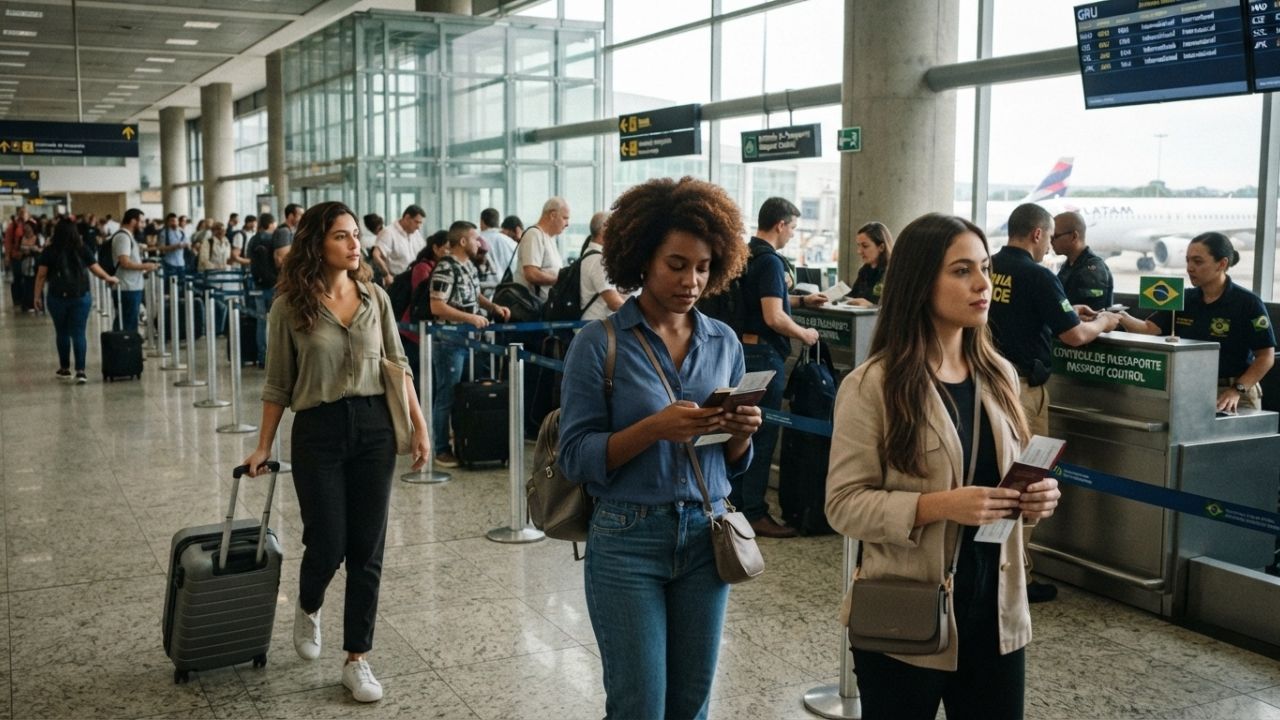
Image generated by AI
Brazil has initiated stricter border controls, denying entry to several pregnant Russian nationals suspected of utilizing birthright citizenship laws as a migration strategy. The measures align Brazil with Argentina and Chile, which have already dismantled commercial childbirth travel networks.
Following recent policy alignments in South America, the Brazil birth tourism crackdown expands to restrict pregnant foreign nationals seeking automatic nationality for their children. Border authorities have reportedly begun turning back pregnant Russian travelers at major airports, citing violations of tourist visa agreements. This regulatory shift follows similar migration restrictions implemented in Argentina and Chile, targeting commercial agencies that charge families up to $15,000 for childbirth packages designed to exploit birthright citizenship frameworks.
Border Surveillance: Scrutinizing Pregnant Arrivals at Brazilian Gateways
Federal Police officers at major Brazilian airports have increased their scrutiny of pregnant travelers arriving on long-haul flights from Europe and the Middle East. Under revised guidelines, immigration officials verify whether incoming passengers have booked return tickets, secured adequate travel insurance, and prepared legitimate tourism itineraries.
Reports show that multiple families have been turned back at the border and returned on the next available departures within a short period. According to agency managers organizing childbirth trips, over ten Russian families were denied entry in just two days, with several receiving formal entry bans. While Brazil still grants citizenship to children born within its borders, officials are targeting travelers who use tourist visas for birth migration.
Passport Dynamics: Why Brazilian Citizenship Attracts Foreign Families
A Brazilian passport is highly valued because it provides visa-free access to many countries, including the European Union and the United Kingdom. When a child is born in Brazil, they generally receive automatic citizenship, which opens up migration options for the entire family.
Once the child's citizenship is confirmed, the parents can apply for permanent residence under family reunification rules. Permanent residents can then apply for naturalization after a shortened period, compared to other immigration pathways. This fast-track process has made South American destinations attractive to families seeking alternative passports amidst geopolitical conflicts.
Argentina's Precedent: How the 2023 Border Restrictions Reshaped Travel
Argentina was previously the primary destination for Russian birth tourism due to its visa-free travel agreement and straightforward naturalization laws. Official estimates indicate that approximately 10,500 pregnant Russian women entered Argentina in 2022 alone.
However, Argentine authorities raised concerns that these travelers were using tourist visas to secure passports without intending to live in the country. In 2023, Argentina introduced stricter border controls, questioning pregnant arrivals and denying entry to those without clear tourism plans. The country also tightened its naturalization review process, requiring parents to show genuine residency before granting expedited citizenship.
Chile's Response: Canceling Citizenship Claims Under Stricter Verification
Chile has also taken action to address concerns about foreign nationals exploiting its birthright laws. Unlike Brazil and Argentina, Chile does not automatically grant citizenship to children of transient or non-resident foreigners.
Chilean migration officials have audited past citizenship registrations, canceling the nationality claims of dozens of children after investigations revealed their parents did not meet residency requirements. This audit targeted commercial packages marketed to Russian families, which charged between $13,000 and $15,000 for medical, lodging, and legal services. By canceling invalid registrations, Chile has sent a clear message to commercial operators organizing these trips.
Regional Migration: Evolving Passport and Visa Policies in Latin America
The coordinated steps taken by Brazil, Argentina, and Chile show a regional shift toward stricter migration management. For decades, Latin American nations kept open citizenship rules based on birthplace to encourage integration and population growth.
However, the rise of international birth tourism packages has forced governments to protect the integrity of their passport systems. Border officials are now verifying travel funds, hotel bookings, and return flights more thoroughly. For international families planning overseas births, these updates mean that previous fast-track passport options are facing increasing restrictions.
Why This Matters (Information Gain & Experience)
For the traveler, this regional crackdown means that flying to South America while pregnant will involve detailed questioning at the border. Pregnant travelers must carry complete medical records, confirmed return tickets, and proof of sufficient funds to satisfy immigration officials that they are genuine tourists.
From a legal and logistical standpoint, the commercial childbirth travel industry faces significant disruption. Agencies must update their contracts and warn clients about the risk of border refusals, as airlines are legally required to return rejected passengers to their points of origin, driving up operational costs and causing significant travel delays.
Data Table
| Nation | Birthright Citizenship Law | Key Enforcement Measure | Commercial Package Cost |
|---|---|---|---|
| Brazil | Generally automatic at birth | Increased airport security questioning; entry denials at borders | Not specified |
| Argentina | Generally automatic at birth | Strict tourist visa verification; over 10,500 Russian entries in 2022 | Not specified |
| Chile | Restricted for non-resident foreigners | Cancellation of invalid registrations; audit of nationality claims | $13,000 to $15,000 |
Key Takeaways
- Border Restrictions: Brazil has joined Argentina and Chile in tightening border controls to stop suspected birth tourism.
- Targeted Scrutiny: Pregnant Russian nationals face detailed questioning at Brazilian airports, with multiple entry denials reported.
- Passport Value: Brazilian passports are highly sought after due to visa-free travel privileges across Europe and the UK.
- Argentina Precedent: Stricter rules in Argentina since 2023 helped shift birth tourism traffic to Brazil before the current crackdown.
- Chile Audits: Chile has audited past births, canceling nationality registrations where foreign parents lacked legal residency.
FAQ
Why are Brazilian authorities denying entry to some pregnant travelers?
Authorities are turning back pregnant foreign nationals suspected of entering the country on tourist visas solely to give birth and secure family residency benefits.
What are the immigration benefits of giving birth in Brazil?
Children born in Brazil generally receive automatic citizenship, allowing their parents to apply for permanent residency and expedited naturalization.
How did Argentina change its birth tourism policy?
Following a surge of over 10,500 Russian entries in 2022, Argentina introduced visa audits at airports and tightened citizenship application reviews in 2023.
Does Chile automatically grant citizenship to all children born there?
No, Chile restricts automatic birthright citizenship for children of non-resident foreigners who do not meet specific legal residency criteria.
What is the cost of commercial childbirth packages in the region?
Childbirth travel agencies charge between $13,000 and $15,000 for packages covering medical care, lodging, and legal processing in countries like Chile.
Related Travel Updates and Regional Guides
- Related: UK Travel Advisory: Schengen Border Controls and Biometric Security Regulations Impacting European Inbound Tourism
- Related: United States Security Alert: Spain and Morocco Increase Border Patrols Near Ceuta and Melilla Gaps
- Related: Netherlands Travel Advisory: New Safety Guidelines for Poland, Romania and Border Regions
Disclaimer
This article is for informational and educational purposes only. It does not constitute legal, financial, or professional advice. While we strive to provide accurate and up-to-date information, travel policies, regulations, and conditions change rapidly. Always verify information with official sources before making travel decisions. Nomad Lawyer makes no representations about the accuracy, reliability, completeness, or suitability of the information provided. Readers should consult qualified professionals for advice specific to their circumstances. The views expressed in this article are those of the author and do not necessarily reflect the views of Nomad Lawyer.
Kunal K Choudhary
Co-Founder & Contributor
A passionate traveller and tech enthusiast. Kunal contributes to the vision and growth of Nomad Lawyer, bringing fresh perspectives and driving the community forward.
Learn more about our team →