
Bonaire and Martinique Lead Caribbean Cycling Tourism Surge for 2026 Adventure Travel
Bonaire and Martinique are spearheading a regional shift toward active tourism, transforming the Caribbean into a global hub for mountain biking, e-bike exploration, and endurance cycling in 2026.

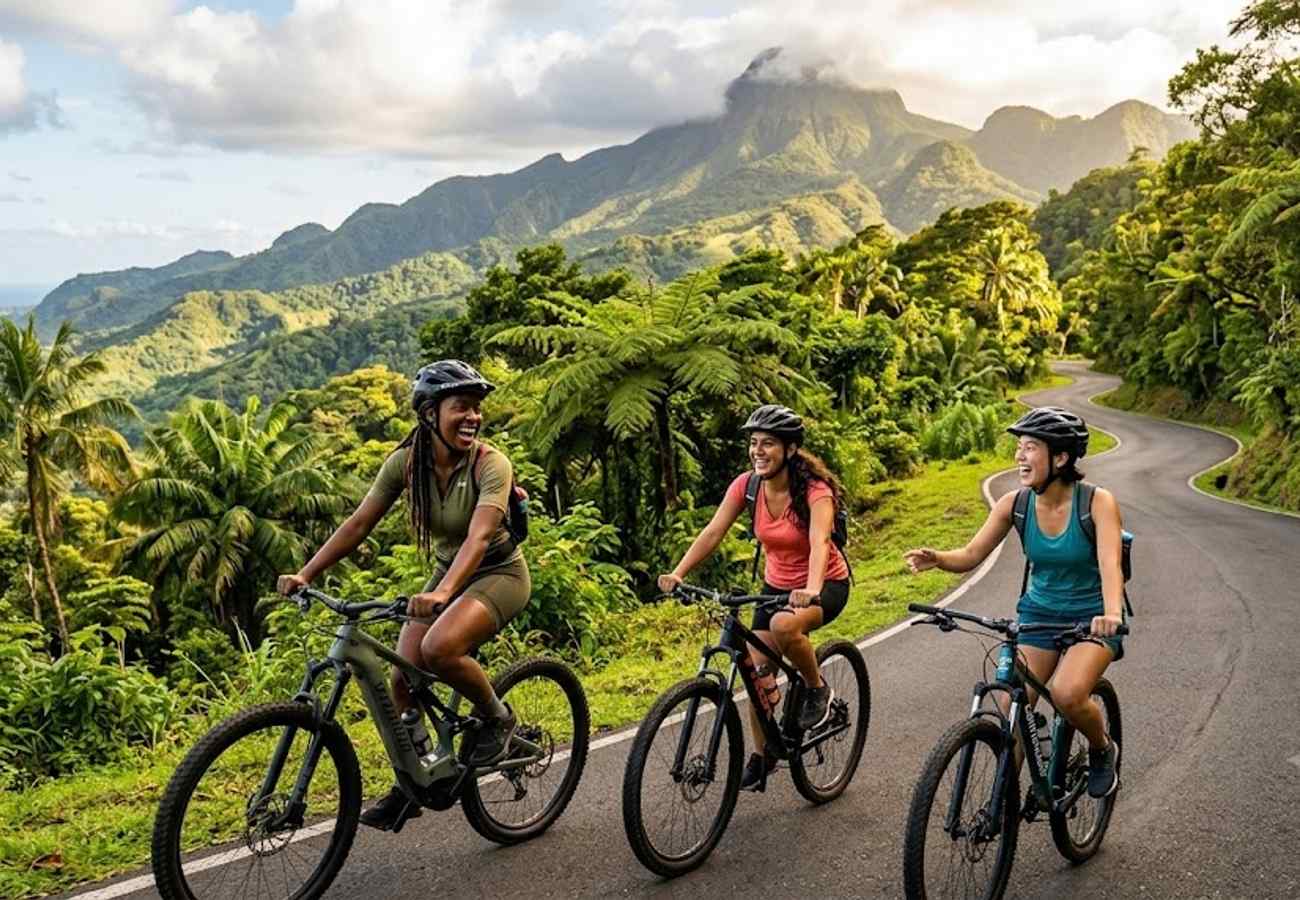
Image generated by AI
The Caribbean is pivoting from a passive "sun and sand" luxury model toward a high-energy active tourism economy. In 2026, cycling has emerged as the primary driver of this transformation, with islands like Bonaire and Martinique establishing themselves as global hubs for two-wheel adventure.
This shift reflects a broader market demand for sustainable travel and wellness-centric holidays. By diversifying their offerings beyond the beach, Caribbean destinations are leveraging rugged volcanic landscapes, rainforests, and coastal boardwalks to attract endurance athletes, e-bike enthusiasts, and casual explorers.
From a logistical perspective, this evolution is moving the economic impact of tourism away from concentrated resort zones and deeper into local communities and hidden interior landscapes.
Regional Cycling Infrastructure and Route Analysis
The current landscape for 2026 shows a clear divide between technical mountain biking hubs and recreational road cycling destinations.
- Bonaire: Now one of the most developed cycling products in the region. It features over 300 kilometers of trails, including dirt roads and goat paths. The Washington Slagbaai National Park offers a demanding 34-kilometer mountain-bike route characterized by severe climbs and descents.
- Martinique: Specializes in multi-day e-bike and mountain biking circuits. There are over 200 kilometers of routes linking distilleries, plantations, and tropical forests. Elevation gains on organized rides typically range from 50 to 950 meters.
- Puerto Rico: Focuses on mixed-use exploration. The Paseo Lineal Costero de Isabela provides a coastal boardwalk exceeding four miles, while San Juan offers robust e-bike infrastructure.
- Jamaica: Targets the endurance and supported-touring market. Organized rides have spanned distances from 79 to 158 miles, starting from hubs like Kingston, Moneague, Drax Hall, and Duncans.
- Barbados: Maintains a strong domestic cycling culture with a focus on road cycling through the Scotland District and eastern countryside.
- Trinidad and Tobago: The epicenter for technical enduro-style riding, specifically in Chaguaramas, featuring single-track routes with natural obstacles like bamboo and riverbeds.
2026 Cycling Destination Comparison Matrix
| Destination | Primary Experience | Key Terrain | Rider Level | Notable 2026 Events/Activity | Critical Limitations |
|---|---|---|---|---|---|
| Bonaire | Gravel & MTB | Dry, rocky, exposed | Intermediate to Expert | Established trail markers & park routes | Extreme heat; cactus-lined trails |
| Martinique | E-Bike & Climbing | Volcanic, tropical forest | All levels | Raid des Alizés (Nov 24–29, 2026) | High humidity; slippery rain surfaces |
| Puerto Rico | Coastal & Urban | Flat coastal / Steep interior | Beginner to Expert | Integrated city/beach cycling loops | Urban traffic; inconsistent infrastructure |
| Jamaica | Supported Road | Rainforest & Mountains | Intermediate to Advanced | Cycle Jamaica (Nov 12–16, 2026) | Narrow roads; assertive traffic |
| Barbados | Countryside Road | Rolling hills / Coastal | Beginner to Advanced | Year-round competitive racing | Lack of separated bike lanes |
| Trinidad & Tobago | Technical Enduro | Mud, sand, riverbeds | Intermediate to Professional | Chag Attack (March); MTB Madness (May) | Technical water crossings; tropical heat |
Why This Matters: Industry Implication
Our analysis of the 2026 route maps suggests that the Caribbean is no longer just a destination for "fly-and-flop" tourism. The integration of high-technicality trails in Trinidad and the endurance-focused supported tours in Jamaica indicates a strategic move to capture the "Active Luxury" segment.
For travelers, the real impact is the shift in required gear. The prevalence of volcanic terrain in Martinique and rocky paths in Bonaire means that standard rental bikes are no longer sufficient; there is a surging demand for full-suspension mountain bikes and high-torque e-bikes to manage steep gradients and humidity.
From a market perspective, the "supported ride" model seen in Jamaica—utilizing police escorts and support vehicles—is a direct response to the region's challenging road safety infrastructure. This creates a new niche for specialized tour operators who can mitigate the risks of assertive traffic and narrow roads.
Forward Outlook
Expect further investment in "separated cycling corridors" as destinations like Barbados and Puerto Rico realize that urban traffic is the primary deterrent for casual cyclists. We anticipate a rise in "Cycling Passports" or multi-island adventure packages that link these disparate hubs into a single Caribbean circuit.
The 2026 calendar, highlighted by the Raid des Alizés and Cycle Jamaica, suggests that the region is moving toward an event-driven tourism model, where high-profile races drive seasonal occupancy rates during traditional shoulder periods.
The Caribbean is effectively rebranding itself: the beach is now the starting line, not the destination.
Related Travel Guides
Disclaimer
This article is for informational and educational purposes only. It does not constitute legal, financial, or professional advice. While we strive to provide accurate and up-to-date information, travel policies, regulations, and conditions change rapidly. Always verify information with official sources before making travel decisions. Nomad Lawyer makes no representations about the accuracy, reliability, completeness, or suitability of the information provided. Readers should consult qualified professionals for advice specific to their circumstances. The views expressed in this article are those of the author and do not necessarily reflect the views of Nomad Lawyer.
Raushan Kumar
Founder & Lead Developer
Full-stack developer with 11+ years of experience and a passionate traveller. Raushan built Nomad Lawyer from the ground up with a vision to create the best travel and law experience on the web.
Learn more about our team →