
Bolivia Tourism Expands Beyond Salar de Uyuni into UNESCO Heritage and Amazon Eco-Circuits
Bolivia tourism expands beyond Salar de Uyuni, drawing international visitors to seven UNESCO World Heritage sites, Altiplano cities, and Amazon eco-reserves.

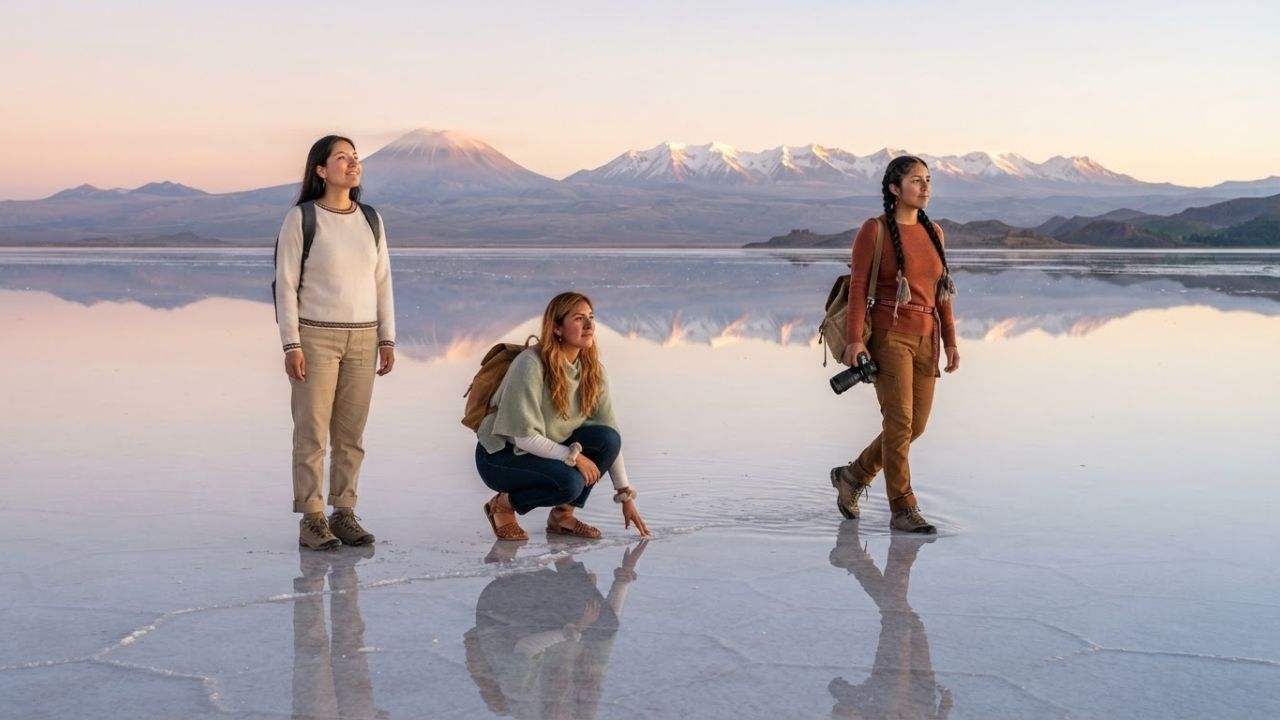
Image generated by AI
Bolivia's international tourism sector is expanding beyond its famous Salar de Uyuni salt flats, channeling long-haul visitors toward its seven UNESCO World Heritage sites, high-altitude Andean cities, and protected Amazonian eco-reserves.
[LA PAZ, Bolivia] — Official travel industry data shows a diversification in international tourist movement across Bolivia, as travelers extend itineraries beyond traditional Altiplano routes. Home to seven UNESCO World Heritage sites—including Sucre, Potosí, Tiwanaku, Samaipata, the Jesuit Missions of Chiquitos, sections of the Qhapaq Ñan road network, and Noel Kempff Mercado National Park—the South American nation is capturing demand for immersive cultural, geological, and biodiversity travel. The structural shift is boosting visitor stays in regional hubs spanning from the Amazonian gateway of Rurrenabaque to the paleontological landscapes of Torotoro National Park.
Salar de Uyuni and the Southwestern Altiplano Circuit
The Salar de Uyuni remains Bolivia’s primary international travel anchor, drawing global visitors to the world’s largest salt flat in southwestern Bolivia.
Following seasonal rainfall, thin water layers create a mirror reflection across the salt crust, while dry periods reveal geometric salt formations. Multi-day 4x4 expedition routes extend beyond the main salt flat to incorporate geothermal geysers, mineral-colored lagoons, volcanic peaks, and high-altitude desert rock formations.
Due to the extreme elevation exceeding 3,600 meters and significant daily temperature fluctuations, tourism authorities recommend booking authorized expedition operators equipped for remote high-altitude navigation.
High-Altitude Urban Transit and Cultural Gateways
La Paz serves as the primary urban transit hub for international arrivals transitioning to the wider Altiplano region.
Set within a high-altitude mountain bowl overlooked by Mount Illimani, La Paz connects travelers to regional transit corridors leading to Lake Titicaca, Tiwanaku, and Uyuni. Urban aerial cable car networks and traditional markets provide distinct cultural entry points for arriving visitors.
Due to the city’s elevation exceeding 3,600 meters, health advisories recommend built-in acclimatization periods. Arriving travelers are advised to limit physical exertion during the initial 24 hours, maintain hydration, and consult medical professionals regarding high-altitude travel.
Lake Titicaca and the Ancient Monumental Complex of Tiwanaku
Lake Titicaca provides a low-velocity travel alternative along the Bolivian-Peruvian border. Copacabana functions as the main lakeside resort base, offering boat excursions to Isla del Sol and Isla de la Luna against high-altitude aquatic backdrops.
Further south, the archaeological complex of Tiwanaku represents one of Bolivia's key cultural landmarks. Recognized as a UNESCO World Heritage site, Tiwanaku served as the political and spiritual center of a pre-Inca Andean civilization.
The site’s preserved stone gateways, carved monoliths, and sunken temples attract visitors seeking historical context on pre-Columbian South American civilizations.
Sucre and Potosí Heritage Corridors
In the central highlands, the historic cities of Sucre and Potosí form a complementary heritage travel route.
Sucre, the constitutional capital and a UNESCO World Heritage site, features preserved Spanish colonial architecture, whitewashed structures, and quiet museum districts. Its moderate elevation makes it a preferred stop for travelers seeking cultural immersion without severe altitude strain.
Potosí presents a contrasting historical narrative. Situated at an elevation over 4,000 meters, the UNESCO-listed city was once the world’s primary silver extraction center. Guided tours of Cerro Rico and colonial mint museums showcase both the immense wealth generated during the Spanish Empire and the severe human cost of historical mining operations.
Madidi and Torotoro National Parks Lead Biodiversity Tourism
Eco-tourism demand is driving visitor volume toward Bolivia's protected natural reserves.
Madidi National Park, accessed via the lowland river port of Rurrenabaque, represents one of the most biodiverse protected rainforest zones in the Amazon Basin. Community-managed eco-lodges operate guided boat and wildlife expeditions along rainforest rivers, providing direct economic revenues to Indigenous communities while supporting forest conservation.
In contrast, Torotoro National Park in central Bolivia offers specialized geological and paleontological tourism. The park features deep canyons, limestone cave systems, and thousands of preserved dinosaur footprints, making it a growing destination for trekking and educational family travel.
Santa Cruz and the Lowland Eastern Circuit
Santa Cruz de la Sierra serves as the primary entry point for Bolivia's warmer eastern lowlands.
The region connects travelers to the archaeological site of El Fuerte de Samaipata, a UNESCO World Heritage site featuring a carved stone hill that pre-dates Inca settlement. Further east, the Jesuit Missions of Chiquitos preserve 17th- and 18th-century mission towns known for wood-carved churches and living Baroque musical traditions.
For extreme wilderness travel, Noel Kempff Mercado National Park along the Brazilian border represents one of the largest intact reserves in the Amazon Basin, preserving undisturbed Amazonian forest, savannah, and wetland ecosystems.
Official Benchmark of Bolivia's UNESCO World Heritage Sites
The table below outlines Bolivia’s seven UNESCO World Heritage sites, detailing their location, designation focus, and primary visitor attractions.
| UNESCO World Heritage Site | Regional Location | Designation Type | Primary Travel Feature |
|---|---|---|---|
| City of Potosí | Potosí Department | Cultural | Colonial silver mining history & Cerro Rico |
| Historic City of Sucre | Chuquisaca Department | Cultural | Preserved Spanish colonial architecture |
| Tiwanaku Spiritual Site | La Paz Department | Cultural | Pre-Inca stone temples & monoliths |
| Samaipata Fort (El Fuerte) | Santa Cruz Department | Cultural | Pre-Columbian carved stone monument |
| Jesuit Missions of Chiquitos | Santa Cruz Department | Cultural | Preserved 17th-century mission towns |
| Qhapaq Ñan Road System | Altiplano Region | Cultural | Trans-Andean historic Inca road network |
| Noel Kempff Mercado Park | Santa Cruz / Amazon | Natural | Intact Amazon forest & savannah wilderness |
Economic Analysis of Decentralized Bolivian Tourism
Expanding international travel beyond Salar de Uyuni generates significant economic benefits for regional municipalities and rural communities.
Decentralizing tourist flows shifts leisure spending from exclusive urban hotel hubs into Indigenous-run rainforest lodges in Madidi, local guide cooperatives in Torotoro, and artisanal workshops in the Chiquitos mission towns. Community-based eco-tourism provides sustainable alternatives to extractive industries like logging and mining.
Furthermore, developing multi-day regional circuits encourages longer visitor stays, increasing average per-capita spending across local transportation networks, regional airlines, and family-owned dining establishments.
Why This Matters for Travelers, Eco-Tourists, and Operators
Synthesizing Bolivia's expanding travel footprint provides practical insights for trip planning and logistics:
- For International Travelers: Bolivia offers extreme environmental diversity within a single destination. A single two-week itinerary can combine high-altitude salt flats in Uyuni, colonial architecture in Sucre, and Amazon rainforest expeditions in Madidi.
- From a Health and Altitude Standpoint: Acclimatization management is critical. Travelers should structure itineraries starting at lower elevations (such as Santa Cruz or Sucre) before progressing to high-altitude destinations like La Paz, Potosí, and Uyuni.
- For Eco-Tourism Advocates: Booking community-owned lodges in Madidi National Park ensures travel expenditures directly support rainforest conservation and provide sustainable livelihoods for local Indigenous populations.
Related Travel Guides
Disclaimer
This article is for informational and educational purposes only. It does not constitute legal, financial, or professional advice. While we strive to provide accurate and up-to-date information, travel policies, regulations, and conditions change rapidly. Always verify information with official sources before making travel decisions. Nomad Lawyer makes no representations about the accuracy, reliability, completeness, or suitability of the information provided. Readers should consult qualified professionals for advice specific to their circumstances. The views expressed in this article are those of the author and do not necessarily reflect the views of Nomad Lawyer.
Raushan Kumar
Founder & Lead Developer
Full-stack developer with 11+ years of experience and a passionate traveller. Raushan built Nomad Lawyer from the ground up with a vision to create the best travel and law experience on the web.
Learn more about our team →