Bio-Acoustic Tourism 2026: How to Access Certified Sub-30 dB Quiet Parks Globally

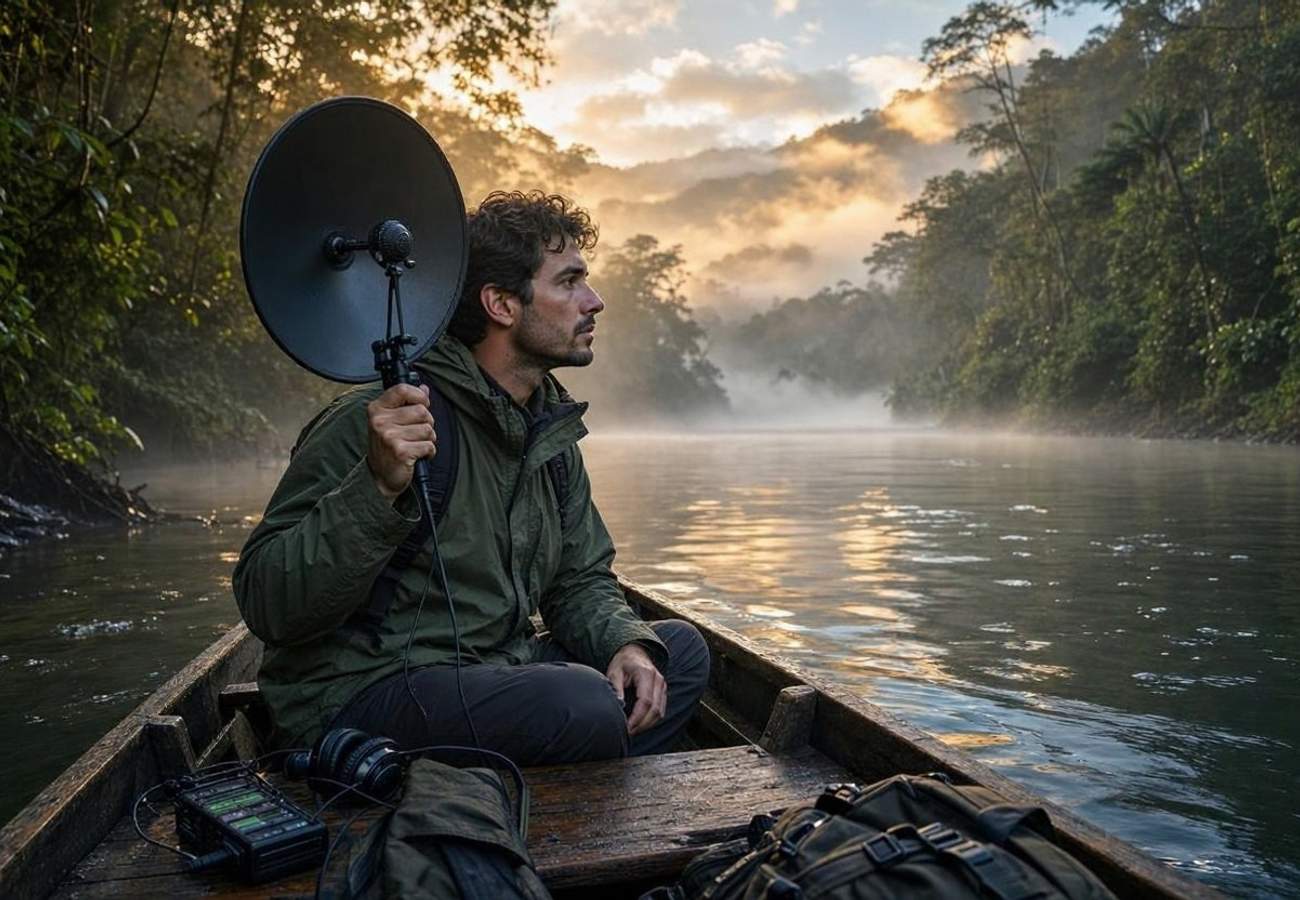
Image generated by AI
A traveler stepping off a canoe into the Zabalo River corridor in Ecuador finds themselves in a world where the loudest sound is a distant howler monkey—a rare experience in an era where anthropogenic noise has doubled in over half of the world's protected areas. For those seeking more than a silent retreat, a new frontier of science-led travel is emerging: bio-acoustic expeditions. These are not passive vacations but active participations in the preservation of the planet's vanishing sonic heritage.
The Science of Acoustic Ecology Tourism
Acoustic ecology tourism departs from traditional wellness travel by focusing on the documentation and preservation of natural soundscapes. Rather than seeking internal mindfulness, participants engage in field biology, utilizing professional equipment such as hydrophones, parabolic reflectors, and high-sensitivity microphones to record the vocalizations of endangered amphibians, birds, and insects.
The gold standard for these destinations is the certification provided by Quiet Parks International (QPI). To be designated as a Wilderness Quiet Park, a location must undergo multi-year monitoring to prove that human-made noise remains below 30 decibels—a level quieter than a typical whisper. These zones must be free from the interference of maritime traffic, industrial machinery, and commercial flight paths.
Data from the U.S. National Park Service (NPS) Natural Sounds and Night Skies Division, based on 1.5 million hours of measurements, reveals the urgency of this movement. Chronic noise pollution is no longer just a human nuisance; it is an ecological threat that disrupts predator-prey dynamics and impairs the mating calls of avian species.
Premier Certified Quiet Park Destinations
Access to these sites is strictly regulated to prevent "sonic contamination." The following table outlines the primary global hubs for bio-acoustic fieldwork.
| Destination | Certification Type | Key Acoustic Focus | Access Restrictions |
|---|---|---|---|
| Zabalo River, Ecuador | Wilderness Quiet Park | Neotropical birds, howler monkeys | Canoe-only access; no road/air corridors |
| NamibRand, Namibia | Wilderness Quiet Park | Geophony of shifting sands | Max 1 bed per 1,000 hectares; e-bikes only |
| American Prairie, USA | Wilderness Quiet Park | Bison and grassland songbirds | Strict low-impact monitoring zones |
| Glacier National Park, USA | Wilderness Quiet Park | Glacial meltwater, alpine winds | Backcountry monitored valleys |
| Boundary Waters, USA | Wilderness Quiet Park | Common loons, timber wolves | Motorized watercraft prohibited |
| Yangmingshan, Taiwan | Urban Quiet Park | Endemic frogs and cicadas | Volcanic trail protections |
| Hampstead Heath, UK | Urban Quiet Park | Urban wildlife vocalizations | Natural woodland buffer zones |
Your Rights and Responsibilities as a Bio-Acoustic Traveler
Unlike standard tourism, bio-acoustic expeditions operate under a strict "acoustic etiquette" framework. When booking these experiences, travelers should be aware of the specific operational constraints and their rights regarding the scientific nature of the trip.
1. Equipment and Training Rights Participants are typically entitled to training in spectrogram analysis and the use of recording hardware. Because these trips are science-led, travelers should ensure their contracts specify the level of professional guidance provided by bio-acousticians.
2. Strict Conduct Requirements To maintain the 30 dB threshold, operators enforce bans on synthetic rustling fabrics, camera shutter clicks, and whispered speech. Failure to adhere to these guidelines can result in immediate removal from the field site to protect the integrity of the data.
3. Environmental Contribution A significant portion of the fees for these expeditions is often legally earmarked for Indigenous land stewardship and the maintenance of acoustic monitoring stations. Travelers should request a transparency report on how their fees contribute to anti-noise policy advocacy.
Logistics and Expedition Strategy
Planning a trip to a Quiet Park requires a different approach than standard itinerary building. Because fieldwork is dictated by the circadian rhythms of wildlife, schedules are centered around "peak choruses" at dawn and dusk.
Rebooking and Planning Tips:
- Avoid Peak Transit Windows: When flying into regions like Namibia or Ecuador, use FlightAware to monitor flight paths. If your lodge is near a newly established flight corridor, the "quiet" status may be compromised.
- Gear Selection: Invest in non-synthetic, silent clothing (cotton or wool) to avoid the "swish" of nylon, which can ruin a high-sensitivity recording.
- Seasonal Timing: Align your visit with the breeding seasons of the target species (e.g., spring for grassland songbirds in Montana) to maximize the acoustic complexity of the experience.
FAQ: Bio-Acoustic Tourism 2026
What is the difference between a silent retreat and a Quiet Park? Silent retreats focus on human silence for mindfulness. Quiet Parks focus on the absence of human-made noise (anthropogenic sound) to preserve the natural biological sounds of the ecosystem.
Can I visit an Urban Quiet Park without a guide? Yes, locations like Hampstead Heath or Yangmingshan are accessible to the public, but professional bio-acoustic equipment and guides are necessary to conduct actual field research.
How is the 30 dB limit measured? Certification requires multi-year monitoring using calibrated decibel meters to ensure that ambient noise levels stay below 30 dB for extended intervals, excluding natural sounds.
Does noise pollution really affect wildlife? Yes. It causes "acoustic masking," where industrial noise drowns out mating calls or predator warnings, forcing animals to expend more energy or abandon their habitats.
The symphony of the wild is fading; the only way to hear it is to move in silence.
Related Travel Guides
This article is for informational purposes. Flight routes, passenger regulations, visa rules, and transit advisories are subject to change by airlines and aviation authorities. Readers are advised to verify schedules and travel documentation with relevant carriers and border agencies before departure.
Related Stories

California Christmas Staycation Guide 2026: Balboa Park Nights, Solvang Julefest, and Yosemite Winter Escapes

Antigua and Barbuda Corporate Incentive Travel Growth: 448,626 Arrivals Signal Luxury Shift 2026