
Bhutan Triggers a Massive Sustainable Travel Boom in Paro Himalayan Sanctuary
Bhutan records a sustainable wellness tourism expansion in Paro, showcasing high-value, low-impact luxury retreats and cultural preservation.

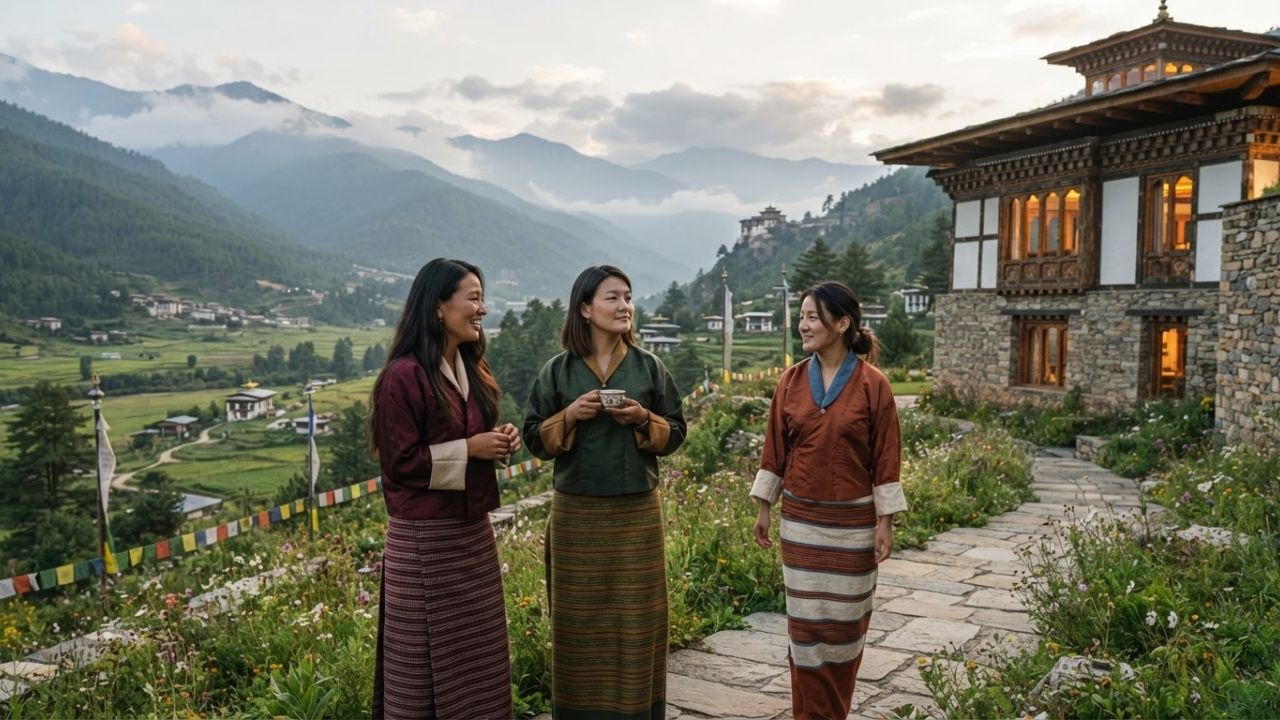
Image generated by AI
Bhutan is recording a significant expansion in high-value, low-impact wellness tourism, attracting travelers to the remote valley of Paro for transformative Himalayan stays. The kingdom’s strict regulations—permitting only two authorized air carriers and mandating licensed guides—protect its fragile ecosystems from mass commercialization.
The global travel sector is experiencing a paradigm shift toward mindful, slow-paced journeys. As visitors prioritize conservation and wellness over rapid sightseeing, the Kingdom of Bhutan stands as a leading example of sustainable destination management. By decoupling success from sheer visitor volume, the nation manages its natural heritage while attracting high-value travelers seeking authentic cultural engagement.
This exclusive approach is reshaping South Asian travel dynamics, proving that preservation and high-end hospitality can support regional economies.
The Himalayan Blueprint for Low-Impact, High-Value Tourism
Bhutan's environmental policy relies on maintaining a carbon-negative economy, as monitored by the Department of Tourism of Bhutan. Rather than encouraging mass tourism, national strategies use a Sustainable Development Fee (SDF) to fund conservation, local infrastructure, and free healthcare for citizens.
This model ensures that international arrivals directly support host communities. Visitors, in turn, demonstrate a willingness to invest in destinations that actively defend their indigenous customs, natural scenery, and sacred spaces from commercial exploitation.
High-Altitude Aviation Logistics and Gateway Hub Transit
Reaching the high-altitude valley of Paro requires navigating complex flight schedules. Only two authorized air carriers are permitted to operate into Paro International Airport:
- Druk Air (the national flag carrier)
- Bhutan Airlines (the private regional operator)
These airlines route passengers through specific gateway hubs, including Bangkok, Kathmandu, Delhi, Singapore, and Kolkata. Due to geographic isolation and changing weather patterns along the Himalayan peaks, flight operations are restricted to daytime visual landings. Pilots must undergo specialized certifications to navigate between the forested ridgelines flanking the runway.
Mandatory Guided Frameworks and Valley Eco-Sanctuaries
To ensure environmental compliance and cultural respect, national regulations require all foreign tourists to book through licensed tour operators and travel with a dedicated guide and driver. While group tours are available, private itineraries allow travelers to set their own pace, especially when acclimatizing to the high altitude.
The luxury accommodation sector highlights how traditional Bhutanese architecture can integrate with modern wellness. In the Paro Valley, retreats like the Bhutan Spirit Sanctuary offer programs featuring traditional medicine consultations, Ku Nye massages, and guided herbal walks.
In Punakha, minimalist properties like Como Uma Punakha overlook the Mo Chu River, while Six Senses Punakha features infinity pools and spa rituals. In Gangtey, the rustic Gangtey Lodge offers farmhouse-style stays alongside valley vistas and mountain biking trails.
Bhutanese Culinary Traditions and High-Altitude Wellness Trails
Authentic gastronomy plays a vital role in the cultural experience, showcasing regional agricultural practices. The national dish, ema datshi, combines fiery green chilies with a local cheese sauce. Steamed dumplings, known as momos, represent an everyday staple served in local homes and high-end retreats alike.
Physical and spiritual activities further support the wellness journey. The trek to the iconic Tiger’s Nest Monastery (Paro Taktsang), situated on a cliffside 900 meters above the valley floor, is a primary adventure, requiring physical endurance and offering spectacular vistas. Travelers also visit fortified regional temples (dzongs), enjoy traditional hot stone baths infused with river stones and medicinal herbs, and practice archery, the national sport.
Local Visitor Guide and Bhutanese Cultural Etiquette
To help you prepare for your journey and respect local customs:
- Acclimatize Gradually: Paro is situated at 2,200 meters above sea level. Dedicate your first two days to light walks and hydration before attempting high-altitude treks like Tiger's Nest.
- Respect Sacred Sites: When entering dzongs or temples, remove your hat, cover your shoulders and knees, and never take photographs inside the inner sanctuaries. Always walk clockwise around stupas and prayer wheels.
- Support Local Craftspeople: Purchase authentic hand-woven textiles and bamboo crafts directly from local artisans in Paro's market streets, ensuring your spending directly supports the local economy.
- Local Culinary Specialties:
- Red Rice: Sample the nutty, nutrient-dense local staple grown in the terraced paddies of the Paro Valley.
- Suja: Try traditional butter tea, a salty beverage prepared with tea leaves, butter, and salt, ideal for warming up on cool mountain evenings.
- Off-Peak Visit Windows: Visit during the shoulder seasons—March to May or September to November—to enjoy clear blue skies, mild daytime temperatures, and colorful cultural festivals.
Future Projections for Carbon-Negative Tourism and Regional Policies
The success of Bhutan's high-value model is encouraging surrounding South Asian countries to re-evaluate their natural heritage policies. By demonstrating that controlled capacity and targeted SDF models can finance environmental protection, the kingdom provides a blueprint for regional eco-tourism.
Over the coming years, local operators will continue to expand holistic wellness programs and support electric vehicle transit along valley routes. By preserving its cultural identity and pristine alpine environment, Bhutan secures its position as a unique destination, offering a sustainable path for global tourism.
Related Travel Guides
Disclaimer
This article is for informational and educational purposes only. It does not constitute legal, financial, or professional advice. While we strive to provide accurate and up-to-date information, travel policies, regulations, and conditions change rapidly. Always verify information with official sources before making travel decisions. Nomad Lawyer makes no representations about the accuracy, reliability, completeness, or suitability of the information provided. Readers should consult qualified professionals for advice specific to their circumstances. The views expressed in this article are those of the author and do not necessarily reflect the views of Nomad Lawyer.
Kunal K Choudhary
Co-Founder & Contributor
A passionate traveller and tech enthusiast. Kunal contributes to the vision and growth of Nomad Lawyer, bringing fresh perspectives and driving the community forward.
Learn more about our team →