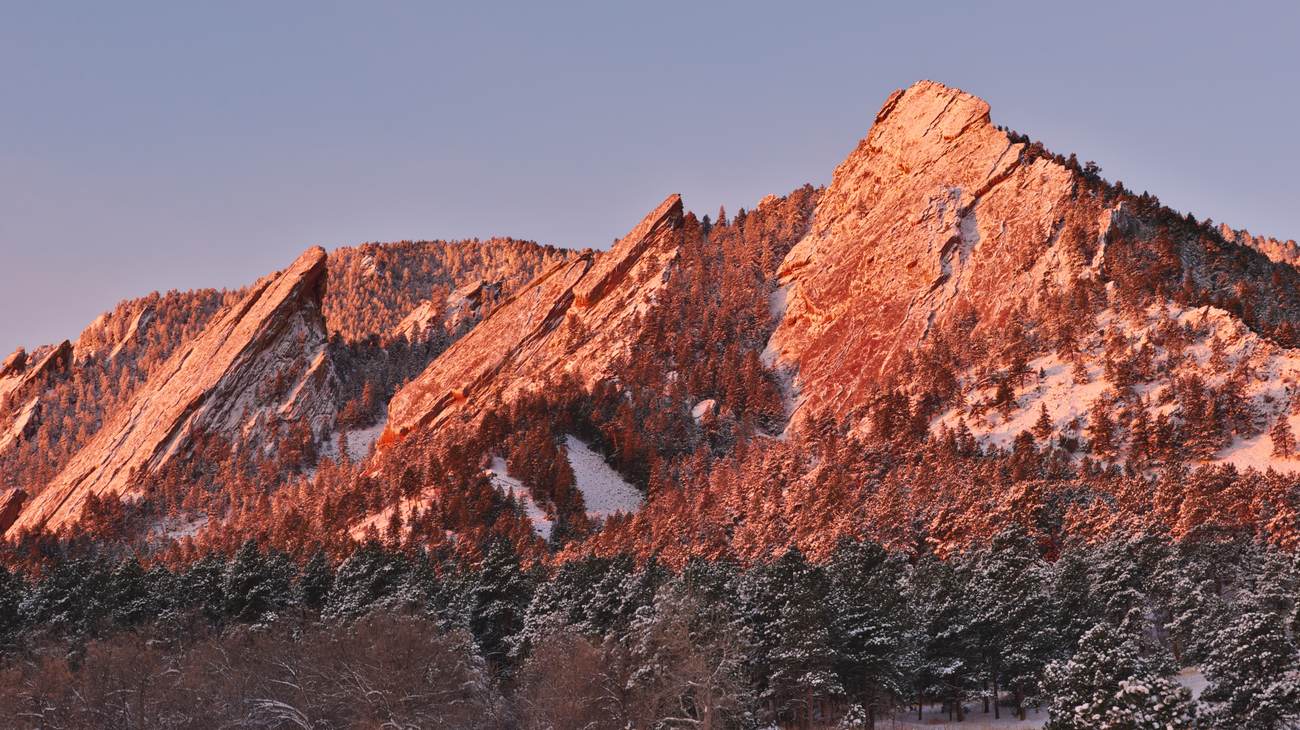
Beyond Machu Picchu Huancaya Becomes a Turquoise Wonder for Peru Travel

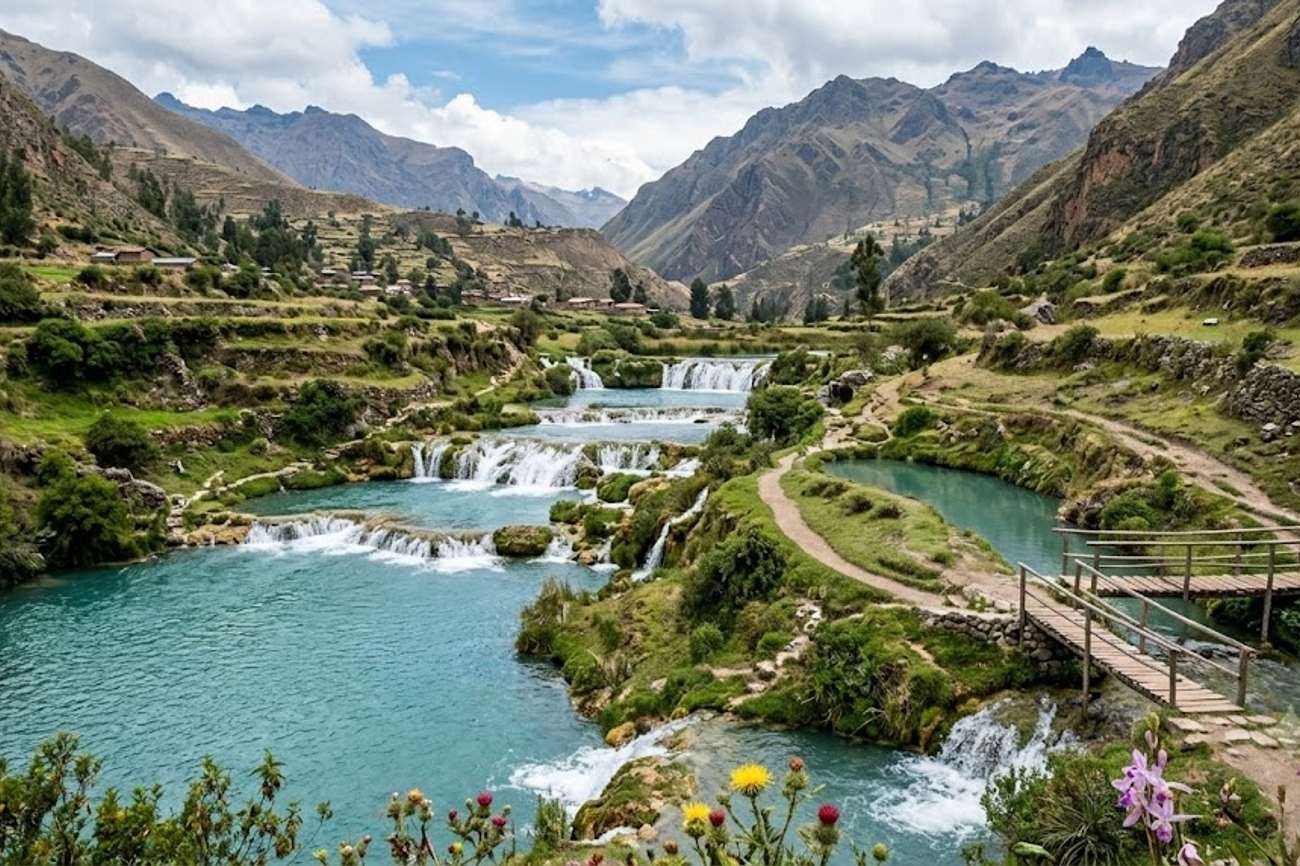
Image generated by AI
[Lima, October 2023] — Peru is strategically pivoting its international tourism model to divert traveler traffic from saturated hubs like Machu Picchu toward the Nor Yauyos-Cochas Landscape Reserve. This shift aims to decentralize tourism revenue and protect the country's most famous archaeological sites from over-tourism by promoting high-altitude alternatives in the Lima and Junín regions.
The initiative focuses on the Nor Yauyos-Cochas region, a protected expanse covering more than 200,000 hectares. By highlighting underdeveloped gateways such as the villages of Huancaya and Vilca, the Peruvian government and local stakeholders are attempting to create a "wider tourism map" that encourages visitors to extend their stays beyond the traditional Lima-Cusco flight corridor.
The Push for Regional Diversification
The catalyst for this shift is the growing imbalance in Peru's tourism distribution. While the Ministry of Foreign Trade and Tourism (MINCETUR) continues to manage massive crowds at Machu Picchu, the Nor Yauyos-Cochas Landscape Reserve remains an underutilized asset. The reserve is designed to protect not only the biological diversity of the Andes but also the ancestral customs of the people living within its borders.
At the center of this push is the Cañete River, which carves through the mountain valleys to create a network of turquoise lagoons and cascading waterfalls. The reserve serves as a critical sanctuary for Andean foxes and the rare Puya raimondii, a giant highland plant known for its massive flower spikes. By positioning this region as a destination for "slow travel," Peru is targeting a demographic of international tourists who prioritize nature photography and ecological immersion over checklist-style sightseeing.
Affected Regions and Key Destinations
The expansion of tourism into the highlands affects several specific communities and ecological zones. The following areas are the primary focal points of this development strategy:
- Huancaya: Currently the primary gateway to the reserve. This village is characterized by stone architecture and direct access to the river systems. It is being positioned as a weekend escape for residents of Lima and a primary stop for international arrivals.
- Vilca: A community focused on colonial-style heritage and traditional highland culture. It serves as a cultural counterbalance to the nature-heavy focus of Huancaya.
- Mount Pariacaca: A site of immense spiritual and ancestral significance. This area is being promoted to travelers interested in the intersection of Andean belief systems and natural landscapes.
- The Cañete River Basin: The hydrological heart of the reserve, encompassing the Papacocha and Piquecocha lagoons.
- Secondary Diversion Sites: To further reduce pressure on Cusco, Peru is also promoting Oxapampa (Yanachaga-Chemillén National Park), the ancient urban center of Caral, the cloud forests of Chachapoyas (Kuélap), the adobe pyramids of Túcume, and the red rock formations of Tinajani Canyon.
Practical Traveler Advisory and Strategic Insights
For the modern traveler, the promotion of Nor Yauyos-Cochas represents a shift in how a Peruvian itinerary is constructed. Instead of a rapid transit from Lima to the airport for a Cusco-bound flight, visitors are now encouraged to integrate mountain excursions into their stay.
Logistical Impacts: Travelers should expect a different infrastructure profile than that of the "classic" circuit. While Machu Picchu offers high-end luxury hotels and streamlined train services, Huancaya and Vilca rely on family-run guesthouses, local cafes, and community-led guiding services. This means a transition from corporate tourism to a more grassroots, "homestay" experience.
Operational Constraints: Because the reserve is a protected area, visitors will encounter stricter regulations regarding waste management and movement. Access is primarily via road, and the pace of travel is significantly slower. Those booking trips should prioritize registered local providers to ensure they are adhering to the reserve's conservation rules.
Cultural Etiquette: Unlike the purely commercialized zones of major tourist hubs, the Nor Yauyos-Cochas region is a living community. Travelers are expected to respect sacred sites—particularly around Mount Pariacaca—and adhere to the quiet rhythms of village life.
Huancaya, a picturesque town in Peru, is emerging as a new tourist destination, offering a unique turquoise wonder that complements the famous Machu Picchu. For travelers planning to visit Huancaya, it is essential to check the official Peru Tourism Board website for up-to-date information on travel requirements, accommodations, and activities. By doing so, visitors can ensure a smooth and enjoyable trip to this stunning destination.
The Path Toward Sustainable Growth
The long-term viability of the Nor Yauyos-Cochas region depends on avoiding the "mass tourism" trap that has plagued other Andean destinations. The strategy emphasizes "good tourism" over "high-volume tourism." This involves a rigorous focus on training local guides and improving basic infrastructure—such as water systems and waste collection—before scaling the number of visitors.
The goal is to create an economic ecosystem where young people in Huancaya and Vilca can build professional careers in their hometowns rather than migrating to Lima. By integrating nature education and local craft experiences, the region aims to transform the landscape from a mere "backdrop" for photos into a source of sustainable livelihood for the inhabitants.
For those planning a visit, the PromPerú official portal provides updated guidance on diversifying itineraries. The move toward a "fairer tourism map" suggests that future investment will likely flow toward these secondary destinations to ensure the ecological and cultural integrity of the highlands.
FAQ: Nor Yauyos-Cochas Travel 2023
How do I get to Huancaya from Lima? Travelers typically reach Huancaya via road from Lima. While it is accessible for weekend trips, it is recommended to hire a registered local transport service or a guided tour to navigate the mountain roads safely.
What is the best time to visit the reserve? To see the lagoons and waterfalls at their most vibrant, visitors should align their trips with the regional weather patterns, avoiding the peak of the rainy season to ensure road accessibility and safety.
Are there luxury hotels in the Nor Yauyos-Cochas reserve? No. The region focuses on sustainable, community-led tourism. Accommodations primarily consist of family-run guesthouses and small hotels that offer an authentic highland experience.
Is a guide required to visit Mount Pariacaca? While not always legally mandated, using a local guide is strongly encouraged. Local guides provide essential context regarding the spiritual significance of the mountain and ensure visitors stay on designated paths to protect the environment.
Peru is redefining the Andean experience by trading the crowds of the coast for the silence of the peaks.
Related Travel Guides
This article is for informational purposes. Flight routes, passenger regulations, visa rules, and transit advisories are subject to change by airlines and aviation authorities. Readers are advised to verify schedules and travel documentation with relevant carriers and border agencies before departure.
Related Stories

European Mass Protests Disrupt Travel Across France, Italy, Belgium, and Turkey in 2026
The Best Things to Do in Vero Beach with Family: A Local Parent & Traveler's Guide