
Acropolis Athens Visit Guide 2026: Best Times to Avoid Crowds and Heat for Photography
Maximize your visit to the Acropolis in 2026 by timing your ascent to avoid 35°C heat and cruise ship surges. Our analysis details the optimal windows for photography and crowd avoidance.

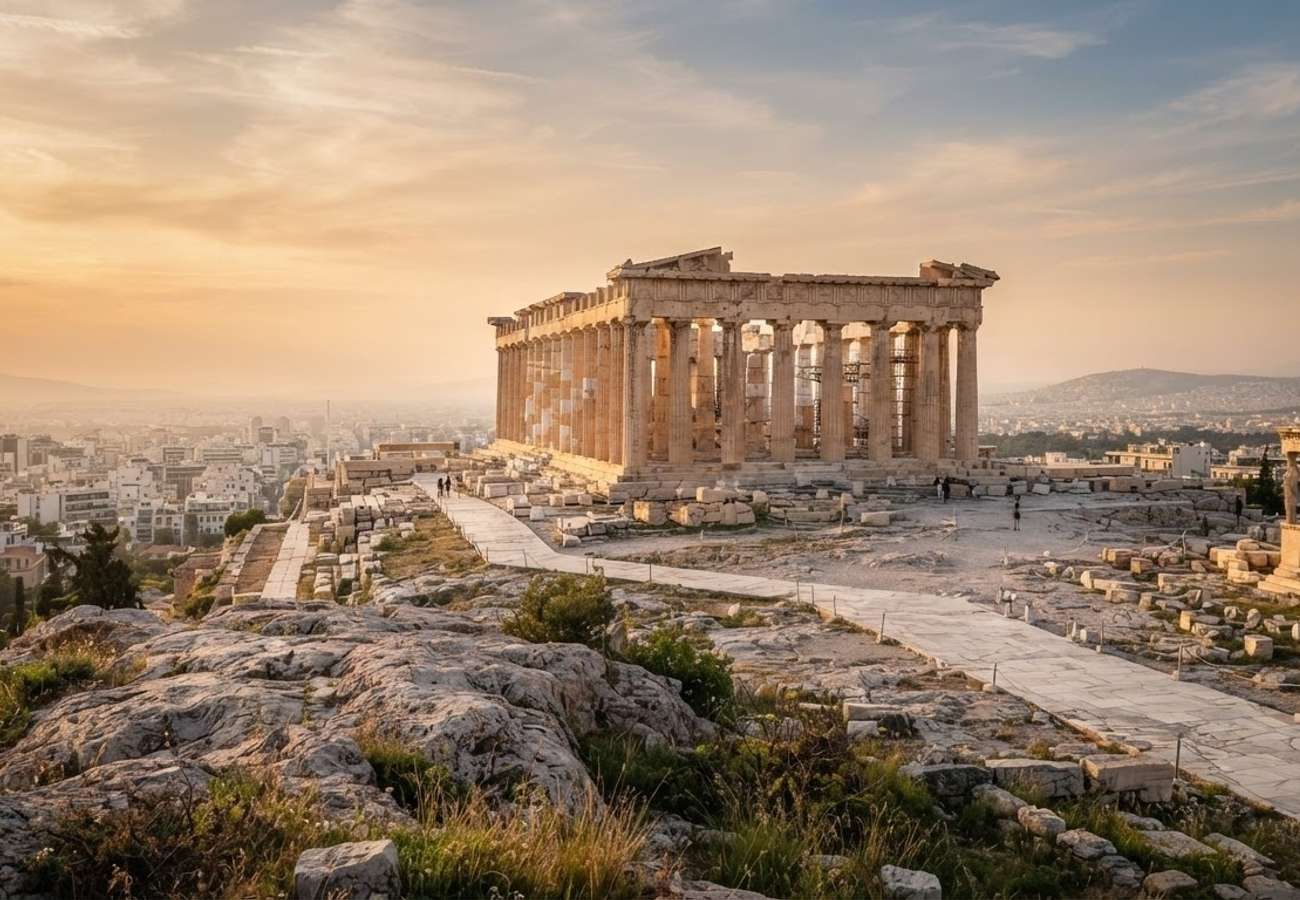
Image generated by AI
Visiting the Acropolis during peak periods can result in queuing in 35°C temperatures behind massive cruise delegations, often coinciding with harsh midday light that ruins photography. Strategic timing is the only way to secure uncrowded views of the Parthenon and manageable temperatures.
Acropolis Operational Windows and Environmental Constraints
The 2026 operational schedule for the Acropolis is dictated by seasonal light and temperature shifts. The site opens daily at 08:00. During the peak season (April through late August), the site typically closes at 20:00, with the final entry permitted 30 minutes prior to closing.
As the season transitions into September and October, closing times move earlier in stages. By winter, the site generally closes around 17:00. These windows are critical because they dictate the "triangle of constraints": opening hours, ambient heat, and available light.
For photographers, the "golden hour" varies significantly by month. In mid-June, the sun sets around 20:45, while by late November, it dips before 17:10. Because the site closes before or around sunset for safety, the window for warm, low-angle light on the marble is narrow.
Crowd Dynamics: Morning vs. Late Afternoon
While conventional wisdom suggests arriving at opening, our analysis indicates that the 08:00 slot is no longer a guaranteed escape from crowds. In peak months, guided groups often queue at the Dionysiou Areopagitou entrance by 07:45.
Peak Disruption Windows
- 08:30 to 10:30 (High Season): The plateau around the Parthenon reaches maximum density.
- Cruise Ship Surges: When multiple large vessels dock at Piraeus, thousands of passengers are transported via coach to the site, typically peaking between 09:30 and 11:00.
- Midday Peak: General crowds typically peak between 10:00 and 14:00.
Optimal Entry Windows
- Late Afternoon (16:00 to 17:00): On a typical June weekday, the site begins to "exhale." This window allows for clearer shots of the Erechtheion’s caryatids without significant interference from tour groups.
- Shoulder Season Weekdays: The absolute thinnest crowds occur in March, April, late October, and November. Entry during the first 90 minutes after opening or the final 90 minutes before closing during these months often yields a nearly people-free experience.
Thermal Risks and Safety Advisories
The Acropolis is a treeless limestone outcrop. In July and August, daytime highs in Athens regularly reach 33°C, with heat waves frequently pushing temperatures above 40°C. The pale stone and marble reflect heat, creating an oven effect with virtually no shade.
Our analysis of recent trends shows that extreme heat waves have triggered temporary early afternoon closures for public safety. Travelers holding tickets for 11:30 or 12:00 have previously seen visits cut short or rescheduled.
For passengers traveling with children or those sensitive to heat, the 11:00 to 16:00 window should be avoided entirely between late June and late August.
Seasonal Breakdown for 2026 Planning
Spring (April – May)
Highs typically remain in the low to mid-20s Celsius. This is the ideal window for the 15 to 25-minute uphill climb. A 09:00 entry in early May offers a balance of manageable temperatures and reasonable light.
Summer (June – August)
This is the period of maximum disruption. To mitigate cruise ship traffic from Piraeus, travelers should secure timed tickets for exactly 08:00 or late-afternoon slots (17:00 or 18:00).
Autumn (September – October)
Early September can still see highs above 30°C, but the light quality improves. Around the equinox, the sun lowers by 16:00, casting a honey-colored glow on the marble columns, which is highly preferred for professional photography.
Winter (November – March)
Daytime highs average 12 to 15°C in January and February. While weather is more volatile (rain and wind), the physical exertion of the climb is reduced, and crowds are at their annual minimum.
Passenger Advisory: Optimizing the Experience
For the visitor, managing the Acropolis experience requires a coordinated approach between the hill and the Acropolis Museum.
Our recommended itinerary patterns:
- Summer Strategy: Climb the hill at 08:00, exit by 10:00 before cruise buses arrive, and retreat to the climate-controlled Acropolis Museum during the midday heat.
- Winter/Shoulder Strategy: Visit the museum first, then ascend the hill in the late afternoon to capture the softer light and avoid the few remaining tour groups.
- Ticketing: Always utilize the timed entry system. Arriving without a pre-booked slot during peak season can result in hours of exposure to the sun in unshaded queues.
Timing is the difference between a chaotic trek and a serene historical encounter.
Related Travel Guides
Disclaimer
This article is for informational and educational purposes only. It does not constitute legal, financial, or professional advice. While we strive to provide accurate and up-to-date information, travel policies, regulations, and conditions change rapidly. Always verify information with official sources before making travel decisions. Nomad Lawyer makes no representations about the accuracy, reliability, completeness, or suitability of the information provided. Readers should consult qualified professionals for advice specific to their circumstances. The views expressed in this article are those of the author and do not necessarily reflect the views of Nomad Lawyer.
Raushan Kumar
Founder & Lead Developer
Full-stack developer with 11+ years of experience and a passionate traveller. Raushan built Nomad Lawyer from the ground up with a vision to create the best travel and law experience on the web.
Learn more about our team →