
Yucatán Peninsula Travel Guide 2026: Logistics, Costs, and Top Destinations from Cancún to Mérida
A comprehensive analyst report on navigating Mexico's Yucatán Peninsula in 2026, covering transport costs, entry fees for Mayan ruins, and strategic hubs for Caribbean and colonial exploration.

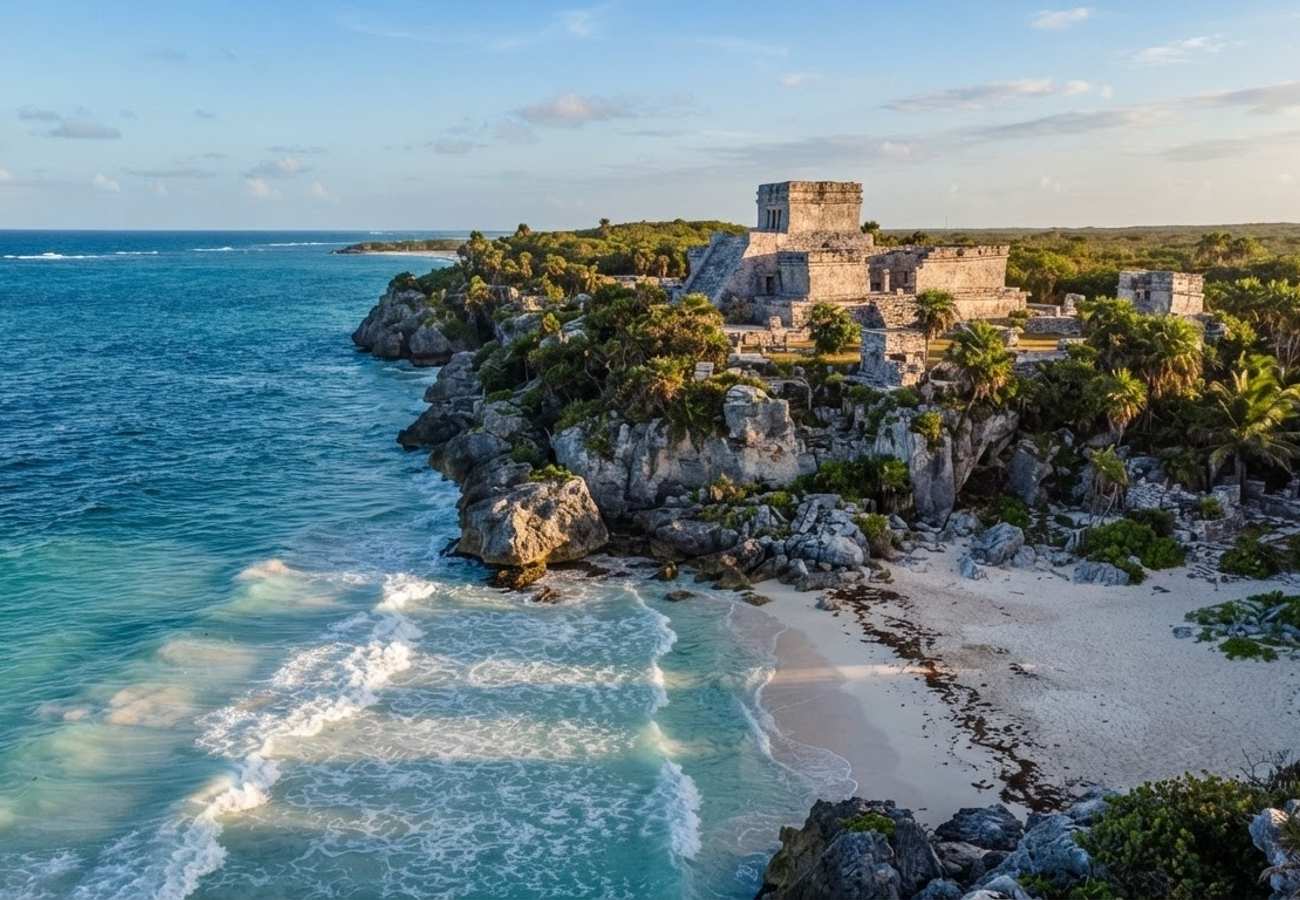
Image generated by AI
The Yucatán Peninsula remains a primary corridor for international tourism, blending high-density resort zones with remote archaeological sites. For travelers in 2026, navigating this region requires a strategic understanding of the tiered pricing structures between "tourist zones" and local hubs.
Regional Logistics and Hub Analysis
The corridor between Cancún and Campeche is characterized by a stark contrast in infrastructure. The primary gateway, Cancún, operates as a high-efficiency hub with a modern airport located approximately 25 minutes from the Hotel Zone. This 14-mile barrier island is heavily monitored by private security and police, catering primarily to luxury and mid-range international travelers.
For those moving beyond the resorts, the region relies on a mix of ADO intercity buses (offering assigned seating and climate control) and colectivos (shared minivans). While colectivos are more cost-effective, they lack the predictability and comfort of the ADO network.
Destination Breakdown and Cost Metrics
Cancún and Isla Mujeres
The Hotel Zone serves as the primary departure point for catamaran excursions to the Mesoamerican Reef and Isla Mujeres.
- Airport Transfers: Shared shuttles cost between 20 to 30 USD per person; private transfers range from 45 to 70 USD.
- Local Transit: Boulevard Kukulcán buses cost approximately 1 USD per ride.
- Isla Mujeres Access: Ferries from the Hotel Zone or Puerto Juárez take 20 to 30 minutes, with round-trip tickets averaging 20 to 30 USD.
- Island Activities: Snorkeling bundles typically cost between 50 to 100 USD.
Riviera Maya: Playa del Carmen and Tulum
Playa del Carmen acts as a central logistics hub for the Riviera Maya, providing ferry access to Cozumel (45-minute crossing) and proximity to cenotes.
- Intercity Transit: ADO bus tickets from Cancún to Playa del Carmen typically cost 10 to 15 USD.
- Cenote Access: Independent visits to sites like Cenote Azul cost 10 to 20 USD, whereas theme park passes (Xcaret, Xel-Há) can exceed 100 USD.
- Tulum Logistics: Bicycle rentals in Tulum Pueblo average 10 to 15 USD per day.
- Archaeological Site: Guide fees at the Tulum ruins range from 25 to 40 USD per group.
The Interior: Valladolid and Chichén Itzá
Valladolid is the strategic base for visiting Chichén Itzá, reducing transit time to the ruins to approximately 45 minutes.
- Strategic Advantage: Staying in Valladolid allows visitors to enter Chichén Itzá at opening to avoid the peak tour bus crowds arriving from the coast.
- Key Sites: The region is defined by the El Castillo pyramid and the large ball court at Chichén Itzá, supplemented by local cenotes such as Cenote Zací and X’Kekén.
Passenger Rights & Advisory
For the affected passenger or traveler, navigating the Yucatán Peninsula involves specific consumer risks regarding transport and tour operators. Our analysis of regional travel patterns suggests the following:
- Transport Contracts: When booking private transfers (45-70 USD range), ensure the quote includes airport taxes and tolls to avoid "hidden" surcharges upon arrival.
- Tour Operator Disputes: Many excursions are sold via third-party vendors on the beach. For the traveler, this means that if a tour is cancelled or fails to meet the described standard, seeking a refund from a street-side vendor is nearly impossible. We advise using registered agencies with a physical office.
- Entry Requirements: Always carry a digital and physical copy of your passport. While not always checked at cenotes, they are required for official archaeological site entries and hotel check-ins.
- Sargassum Impact: Be aware that seaweed (sargassum) arrivals are periodic. While resorts clear beaches daily, independent travelers should check local "Sargasso Sea" tracking reports before booking beach-specific boutique hotels in Tulum or Playa del Carmen.
The Yucatán Peninsula is experiencing a widening "price gap" between the interior and the coast. While Valladolid and downtown Cancún offer authentic, budget-friendly experiences, the Tulum Beach zone has shifted toward a luxury model where pricing mirrors major U.S. cities. This bifurcation suggests that travelers seeking value should utilize "hub-and-spoke" itineraries—staying in colonial cities like Valladolid and taking day trips to high-cost zones.
Strategic movement toward the interior of the peninsula is the only way to avoid the saturated tourist corridors of 2026.
Related Travel Guides
Disclaimer
This article is for informational and educational purposes only. It does not constitute legal, financial, or professional advice. While we strive to provide accurate and up-to-date information, travel policies, regulations, and conditions change rapidly. Always verify information with official sources before making travel decisions. Nomad Lawyer makes no representations about the accuracy, reliability, completeness, or suitability of the information provided. Readers should consult qualified professionals for advice specific to their circumstances. The views expressed in this article are those of the author and do not necessarily reflect the views of Nomad Lawyer.
Raushan Kumar
Founder & Lead Developer
Full-stack developer with 11+ years of experience and a passionate traveller. Raushan built Nomad Lawyer from the ground up with a vision to create the best travel and law experience on the web.
Learn more about our team →