
Ben Gurion Airport Baggage Crisis Triggers 10-Hour Flight Delays During 2026 Summer Peak
Severe baggage handling failures at Ben Gurion Airport have led to flight delays exceeding 10 hours, impacting millions of passengers during Israel's record-breaking August travel rush.

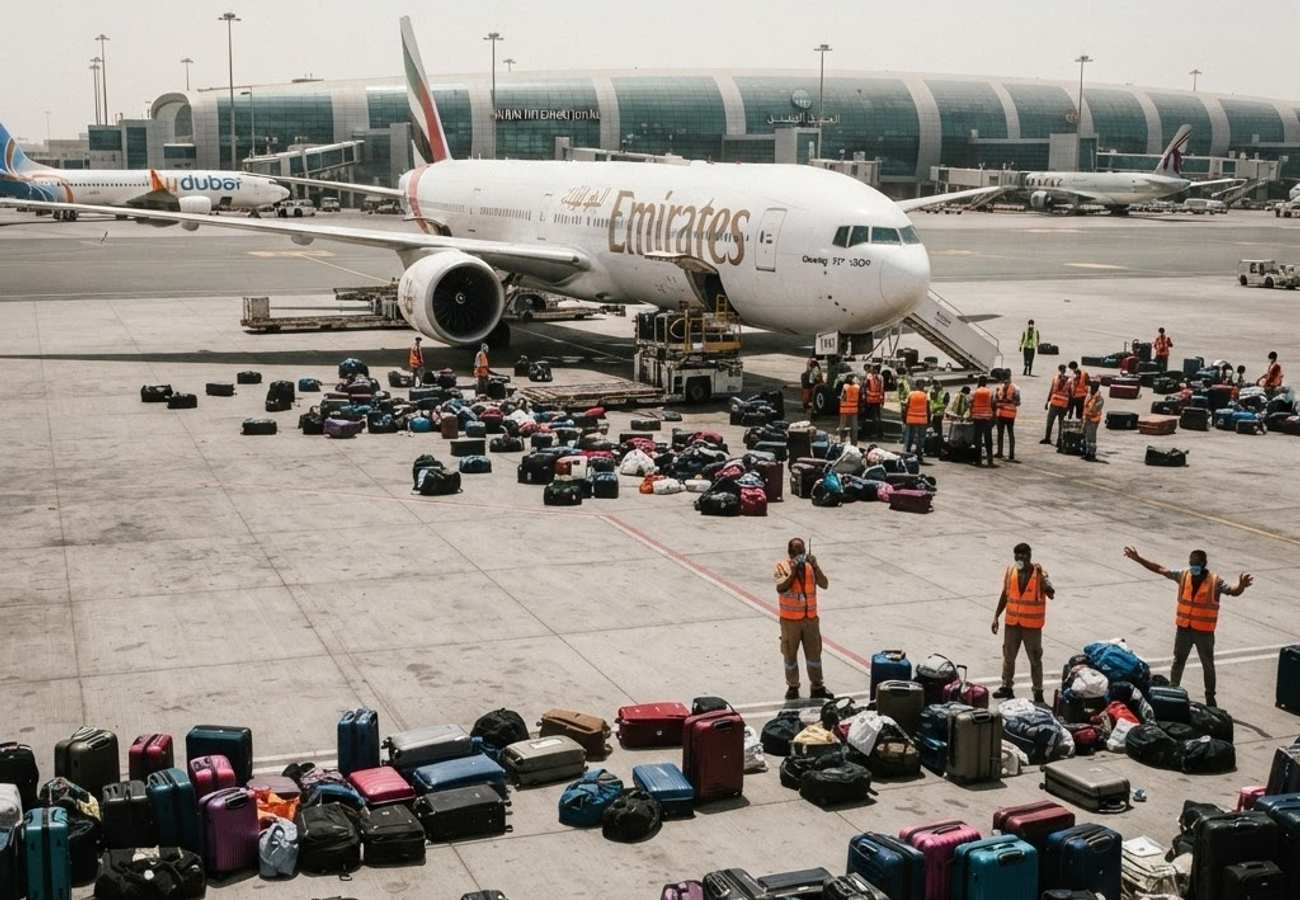
Image generated by AI
Severe baggage handling failures at Ben Gurion Airport have resulted in aircraft being stranded on runways for over 10 hours, paralyzing operations during Israel's busiest travel window.
Operational breakdowns in ground handling services have pushed Ben Gurion Airport to a breaking point during the 2026 summer rush. The crisis is characterized by a critical staffing shortage that has left luggage sitting on the tarmac while passengers remain seated on aircraft, unable to depart. This systemic failure has triggered a chain reaction of delays affecting both outbound and inbound traffic, particularly as the region prepares for Shabbat and peak August holiday movements.
The disruption has hit multiple carriers. An Israir flight bound for Salzburg remained grounded for more than two hours past its scheduled departure specifically because suitcases were left on the tarmac and not transferred into the cargo hold. Similarly, Arkia passengers reported being held inside aircraft for extended periods while ground crews struggled to complete loading operations.
Passenger Volume and Infrastructure Stress
The current crisis is compounded by record-breaking passenger traffic that has exceeded the airport's current operational capacity. The surge in volume has placed unsustainable pressure on security screening, check-in counters, and aircraft turnaround services.
| Metric | July 2026 Data | August 2026 Forecast |
|---|---|---|
| Total Passenger Volume | 2.35 Million+ | 2.6 Million+ |
| Peak Single-Day Traffic | N/A | 100,000+ Passengers |
| Primary Delay Cause | Staffing Shortage / Baggage Loading | Operational Congestion |
| Affected Carriers | Israir, Arkia, Various | All International/Domestic |
Beyond baggage handling, the Israel Airports Authority is managing restricted aircraft parking positions. The presence of American refueling aircraft has occupied critical apron space, further limiting the airport's ability to pivot and recover from ground-handling delays.
Traveler Logistics Guide: Navigating Ben Gurion During Peak Crisis
From a ground-level perspective, the best way to navigate this volatility is to assume a minimum three-to-four-hour buffer before scheduled departures. The current failure in baggage logistics means that even if you have cleared security, your departure is not guaranteed until the ground crew confirms the cargo hold is sealed.
Strategic Advice for Transit:
- Carry-On Priority: Given the current breakdown in baggage transfers, travelers should shift to carry-on luggage where possible. This eliminates the risk of being stranded on an aircraft while waiting for bags or facing multi-hour waits at the carousel upon arrival.
- Digital Monitoring: Utilize real-time flight tracking apps rather than relying solely on terminal screens, as tarmac delays are often updated in flight systems before they are announced in the lounge.
- Connection Buffers: If connecting through Tel Aviv to another destination, avoid layovers shorter than five hours. The current unloading delays for arriving passengers make tight connections nearly impossible.
- Customs and Security: During days exceeding 100,000 passengers, security queues can spike. Ensure all digital travel documents are ready to expedite the screening process.
Infrastructure Impact Assessment
The inability of Ben Gurion Airport to scale its ground services to match a 2.6 million passenger monthly volume indicates a significant gap in resource planning. When baggage handling—a critical link in the aviation chain—fails, it creates a "bottleneck effect" that renders aircraft and crew readiness irrelevant.
The reliance on external factors, such as the availability of parking positions and the presence of foreign military refueling aircraft, suggests that the airport is operating at its absolute ceiling. For regional tourism, these disruptions risk damaging the reliability of Israel as a transit hub during the high season.
The fragility of global aviation infrastructure is exposed when a single point of failure in ground handling can stall an entire national gateway.
Related Travel Guides
Disclaimer
This article is for informational and educational purposes only. It does not constitute legal, financial, or professional advice. While we strive to provide accurate and up-to-date information, travel policies, regulations, and conditions change rapidly. Always verify information with official sources before making travel decisions. Nomad Lawyer makes no representations about the accuracy, reliability, completeness, or suitability of the information provided. Readers should consult qualified professionals for advice specific to their circumstances. The views expressed in this article are those of the author and do not necessarily reflect the views of Nomad Lawyer.
Preeti Gunjan
Contributor & Community Manager
A passionate traveller and community builder. Preeti helps grow the Nomad Lawyer community, fostering engagement and bringing the reader experience to life.
Learn more about our team →