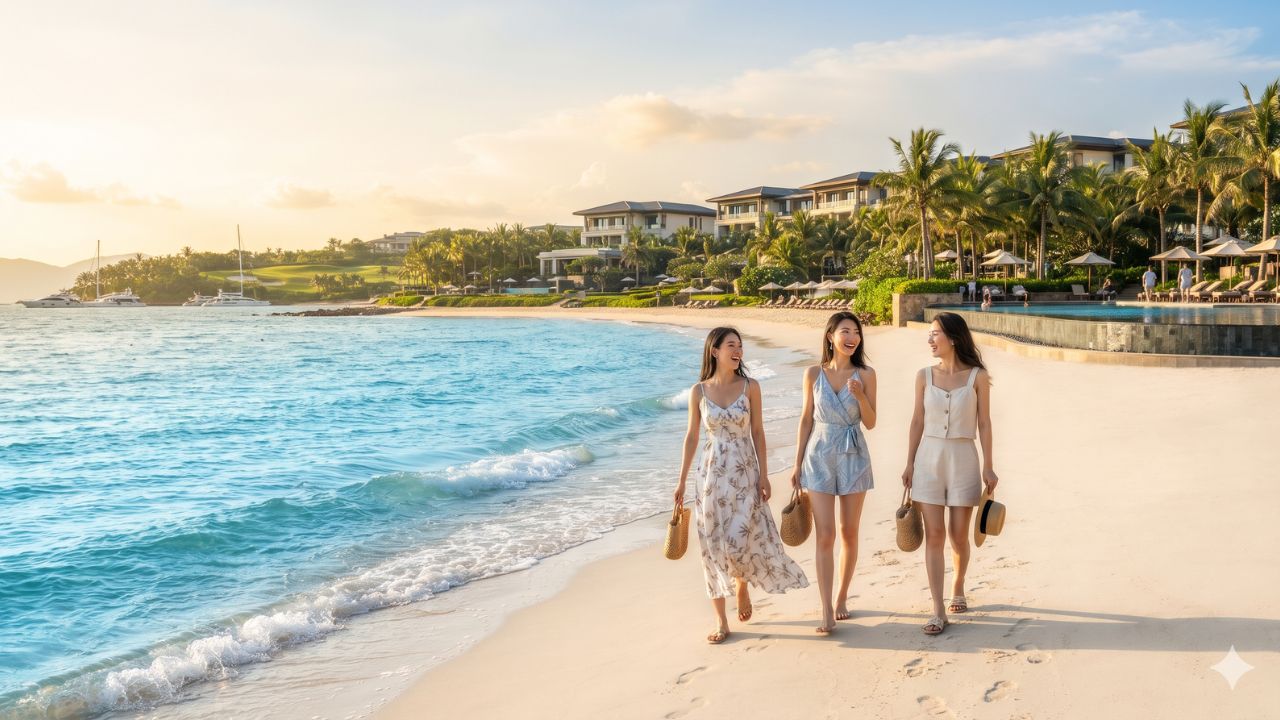
Belize Travel Breakthrough as Caye Caulker Emerges as Caribbean’s Hidden Island Paradise

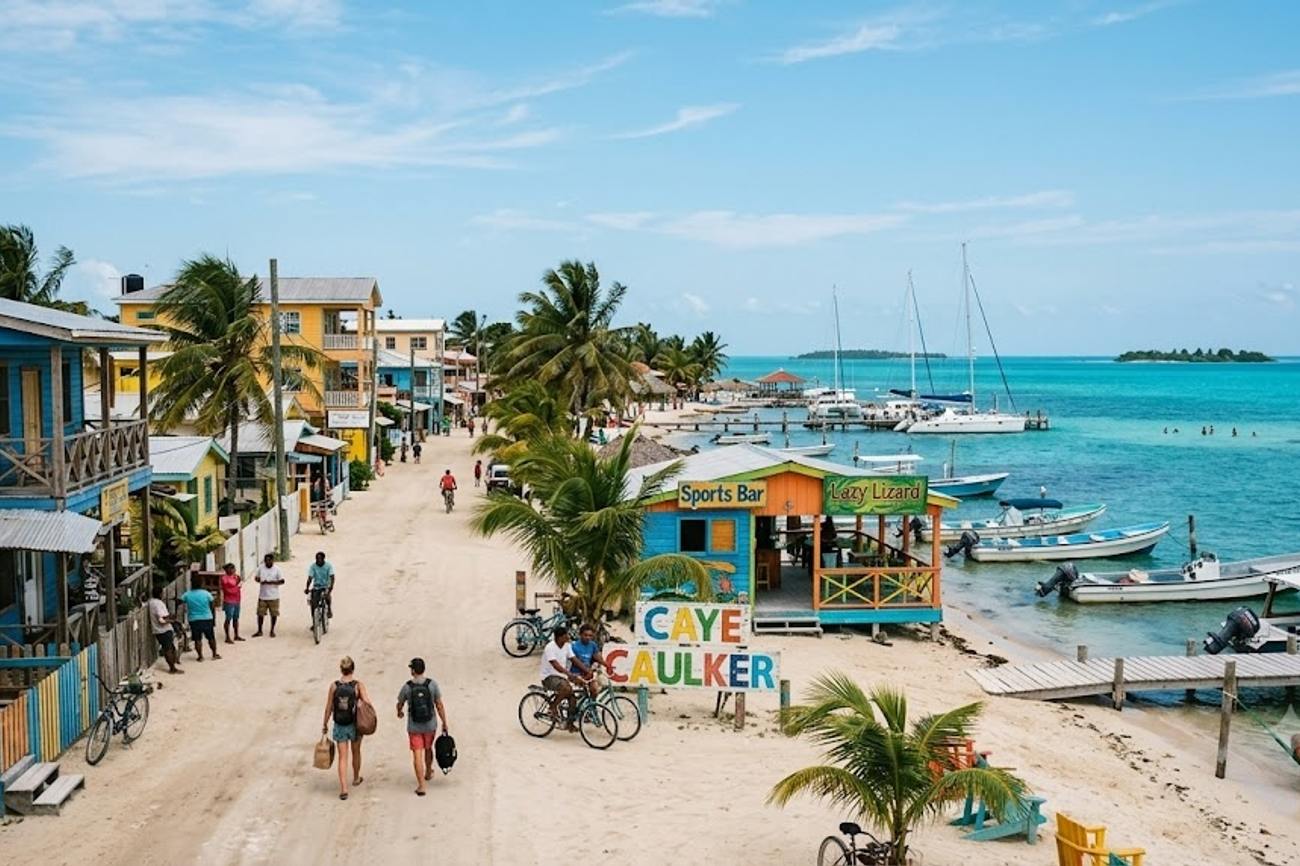
Image generated by AI
[Caye Caulker, Belize] — The Caribbean travel market is witnessing a strategic shift toward "slow tourism" as Caye Caulker emerges as a primary global destination for travelers rejecting traditional high-density resort models.
The surge in interest is driven by a growing international demand for authenticity and nature-centric escapes over luxury infrastructure. Located adjacent to the Belize Barrier Reef, the island is positioning itself as a sustainable alternative to the crowded tourist hubs of the wider Caribbean, leveraging its lack of motorized vehicle traffic and commitment to local community-led tourism.
The Shift Toward Authentic Caribbean Travel
The catalyst for Caye Caulker's growth is a fundamental change in consumer behavior. Modern travelers are increasingly bypassing large-scale, all-inclusive complexes in favor of destinations that offer a direct connection to local culture and undisturbed ecosystems. Caye Caulker has maintained its appeal by intentionally limiting large-scale resort development, ensuring that the island's physical footprint remains dominated by walking paths and bicycle trails rather than paved roads and heavy traffic.
This "slow-paced" philosophy is not merely a marketing slogan but a structural reality of the island. By prioritizing small-scale guesthouses and boutique properties over monolithic hotels, the island preserves a community atmosphere that allows visitors to integrate with residents. This trend aligns with a broader global movement toward meaningful travel, where the value of a trip is measured by cultural immersion and environmental respect rather than the level of luxury amenities provided.
Markets and Activities Impacted
The growth of Caye Caulker is specifically impacting the marine tourism sector and the local artisanal economy. The following areas are seeing the highest volume of international activity:
- Marine Exploration: High demand for excursions to the Hol Chan Marine Reserve and Shark Ray Alley, where travelers engage with nurse sharks and stingrays in protected shallow waters.
- Eco-Tourism: Increased bookings for kayaking and paddleboarding through mangrove forests and coastal ecosystems to observe native wildlife.
- Culinary Tourism: A surge in "sea-to-table" dining, with a specific focus on locally sourced lobster and traditional Caribbean-Latin fusion cuisine.
- Recreational Hubs: "The Split," a natural channel that divides the island, has transitioned into a primary social anchor for international visitors and locals.
Practical Traveler Advisory and Strategic Insights
For the passenger or tourist booking a trip to Belize, the transition to Caye Caulker requires a departure from standard resort expectations. There are no luxury shuttle buses or sprawling hotel lobbies; the experience is decentralized and raw.
Logistics and Transport Travelers must plan for a multi-modal journey. Most international arrivals land in Belize City, necessitating a secondary leg via water taxi or small aircraft to reach the island. Those expecting seamless, single-point transportation will find the transit process more fragmented but more authentic to the region's geography.
Accommodation and Amenities The inventory consists primarily of beachfront stays, guesthouses, and boutique rentals. Travelers should expect basic, nature-integrated lodging rather than five-star amenities. The lack of cars means that mobility is limited to walking or cycling, which dictates the pace of the entire visit.
Environmental Responsibility Because the island's economy is inextricably linked to the Belize Tourism Board guidelines and the health of the reef, visitors are under increased pressure to practice responsible tourism. This includes adhering to strict conservation guidelines when visiting marine reserves to prevent damage to fragile coral formations.
The Role of the Belize Barrier Reef
The proximity to one of the world's most significant marine ecosystems is the primary engine driving the island's economic growth. The reef acts as a natural draw for the global diving and snorkeling community, transforming Caye Caulker from a quiet fishing village into a strategic hub for underwater exploration.
Belize has officially announced the expansion of its tourism infrastructure, with Caye Caulker emerging as a hidden island paradise in the Caribbean. To facilitate travel to this stunning destination, the Belize Tourism Board has launched a series of initiatives aimed at enhancing the overall visitor experience. These efforts are expected to boost tourism numbers, with many travelers already flocking to the island to experience its pristine beaches and vibrant culture.
The integration of tourism and conservation is evident in the management of the surrounding waters. By channeling visitors toward protected areas like the Hol Chan Marine Reserve, the island manages the human impact on the reef while providing high-value experiences. This synergy ensures that the very attraction drawing the tourists—the biodiversity of the Caribbean—is not destroyed by the volume of visitors.
Planning for the Belizean Experience
Travelers arriving in Caye Caulker should be prepared for an environment where English is the primary language of communication, simplifying the experience for North American and European visitors. However, the reliance on sea conditions for almost all primary activities means that itineraries must remain flexible. Marine excursions are subject to weather patterns, and a lack of rigid infrastructure means that "island time" governs the schedule.
To maximize the experience, visitors are encouraged to support the local economy by utilizing community-run businesses and dining at waterfront establishments that source their seafood directly from local fishermen. This ensures that the financial benefits of the tourism surge remain within the community rather than flowing to international hotel conglomerates.
FAQ: Caye Caulker Travel 2024
How do I get to Caye Caulker from the mainland? Most visitors travel from Belize City via a scheduled water taxi or a short flight in a small aircraft. Water taxis are the most common method for those seeking a budget-friendly and scenic arrival.
Are there cars on Caye Caulker? No, the island is largely car-free. Visitors navigate the island using bicycles, walking paths, or small boats. This contributes to the island's quiet atmosphere and reduced pollution.
What is the best way to see the Belize Barrier Reef? The most effective way is to book a guided snorkeling or diving tour to the Hol Chan Marine Reserve or Shark Ray Alley. Professional guides ensure safety and the protection of the coral reef.
What should I pack for a trip to Caye Caulker? Prioritize lightweight, breathable clothing, reef-safe sunscreen, and sturdy walking shoes. Since the island is focused on nature and relaxation, casual attire is the standard for all dining and social settings.
A shift from luxury to authenticity is redefining the Caribbean map.
Related Travel Guides
- Armenia Tourism Expands With New Travel Experiences as Yerevan and Heritage Destinations Attract Global Visitors: All You Need to Know
- Norfolk, Cornwall and More Reveal Britain’s Most Exciting UK Travel 2027 Staycation Destinations
- West Virginia Tourism Surges to $9.4B: State Park Upgrades, Glamping & Travel Guide 2026
This article is for informational purposes. Flight routes, passenger regulations, visa rules, and transit advisories are subject to change by airlines and aviation authorities. Readers are advised to verify schedules and travel documentation with relevant carriers and border agencies before departure.
Related Stories
Belize Travel Guide 2026: Long Weekend Itinerary for Reefs and Maya Ruins

Melbourne Airport Unveils AU$500 Million T2 Baggage Upgrade: Traveler Guide 2026