Belize Barrier Reef Snorkeling from Placencia: Southern Reef Guide and Cost Analysis 2026

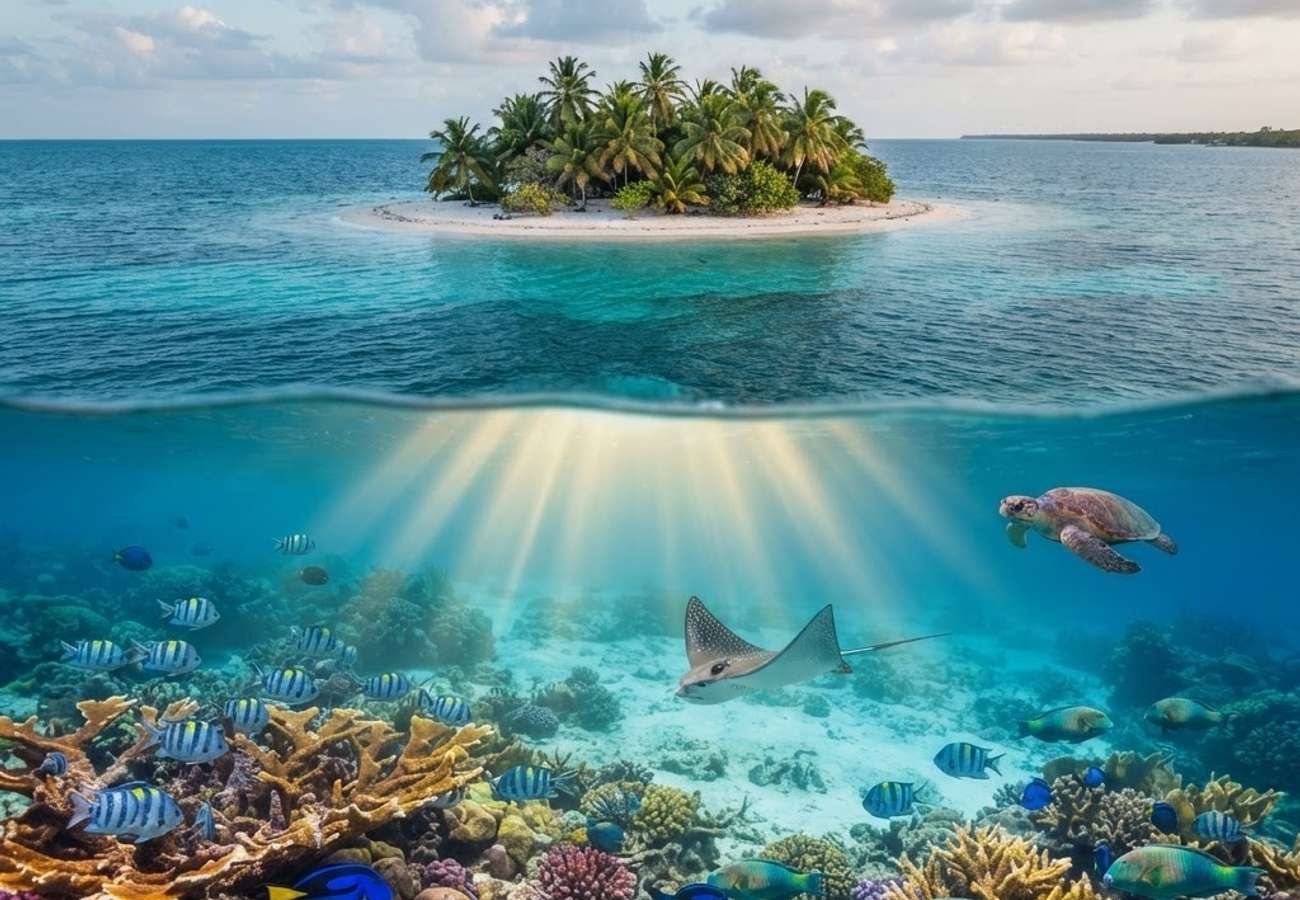
Image generated by AI
Placencia has emerged as a primary strategic base for Belize Barrier Reef exploration, offering a distinct alternative to the high-traffic hubs of San Pedro and Caye Caulker. Unlike northern bases that sit adjacent to the reef, Placencia requires transit across mangroves and open Caribbean waters to reach more remote, less congested coral structures.
For travelers, this shift in geography transforms a standard snorkeling outing into a full-day expedition. The southern reef experience is characterized by smaller sand cayes, longer transit times, and a significant reduction in boat clustering over primary coral heads.
Regional Comparison: Placencia vs. San Pedro
The logistical difference between the north and south is stark. In San Pedro, guides typically reach Hol Chan or Shark Ray Alley within 15 to 20 minutes. In contrast, Placencia’s primary sites require significantly more transit:
- Laughing Bird Caye: 35 to 50 minutes.
- Silk Cayes / Gladden Spit: 60 to 90 minutes.
From a structural perspective, San Pedro snorkeling focuses on the barrier itself, often anchoring near reef cuts. Placencia operators focus on fringing corals around sand islands and patch reefs within the Silk Cayes Marine Reserve and Gladden Spit.
Furthermore, Placencia offers a logistical advantage for those seeking a hybrid itinerary. Travelers can combine reef days with mainland excursions to the Cockscomb Basin Wildlife Sanctuary or Nim Li Punit ruins without the need for domestic flights or complex boat-bus transfers required when basing in San Pedro.
Primary Southern Snorkel Destinations
Laughing Bird Caye National Park
This is the most accessible major reef trip from Placencia. Most tours depart between 8:30 and 9:00 AM, returning by mid-afternoon.
- Transit: 30 to 35 minutes (calm seas/fast boats) to 60 minutes (slower craft).
- Environment: A slim white sand island with shallow coral gardens.
- Marine Life: Blue tangs, sergeant majors, chubs, small groupers, parrotfish, nurse sharks, and southern stingrays. Notable sightings include flamingo tongue snails and giant barrel sponges.
- Pricing: Typically $140 to $160 USD per adult, including park fees, gear, and lunch.
Silk Cayes and Gladden Spit
Located farther offshore, these sites offer a more rugged experience with deeper drop-offs and larger marine species.
- Transit: 75 to 90 minutes.
- Environment: A remote cluster of sand islands and outer wall areas.
- Marine Life: High probability of loggerhead turtles, eagle rays, nurse sharks, and schools of horse-eye jacks.
- Gladden Spit Specialization: Known for whale shark aggregations from March to June during full moon cycles (snapper spawning). Sightings are possible but not guaranteed.
- Pricing: Generally $150 to $190 USD per person.
Southern Reef Logistics and Costing
Market trends indicate that costs for full-day snorkel trips remain consistent between the north and south. The primary differentiator is the style of travel rather than the price point.
| Destination | Avg. Transit Time | Est. Cost (USD) | Primary Appeal |
|---|---|---|---|
| Laughing Bird Caye | 35–50 Mins | $130 – $170 | Family-friendly, shallow coral |
| Silk Cayes | 60–90 Mins | $150 – $190 | Turtles, rays, remote feel |
| Gladden Spit | 60–90 Mins | $150 – $190 | Whale sharks (seasonal) |
| Private Charters | 2+ Hours | $650 – $900 | Custom itinerary, fishing/diving |
Remote Site Access and Private Charters
For those seeking total isolation, operators provide charters to Ranguana Caye, Pompion, and the Queen Cayes. These trips often exceed two hours of travel each way. Private charters typically start between $650 and $900 USD for small groups, often bundling reef fishing with island barbecues.
Why This Matters: Industry Analysis
From a logistical perspective, the growth of Placencia as a reef hub indicates a market shift toward "slow travel" and diversified itineraries. While San Pedro offers efficiency, the southern route provides higher "Information Gain" for the traveler—meaning a more authentic, less crowded interaction with the ecosystem.
Our analysis of the route map suggests that the distance from the mainland is actually a competitive advantage. By filtering out the "quick-trip" tourist, the southern reef sites maintain healthier coral heads and a more stable marine environment. For the operator, the higher fuel costs are offset by the ability to bundle reef trips with mainland jungle tours, creating a higher average spend per visitor.
Forward Outlook
Expect a continued increase in private charter demand as travelers move away from shared group tours to avoid "over-tourism" at the barrier reef. Additionally, as climate pressures affect northern reef sites, the managed visitor numbers at Laughing Bird Caye National Park will likely make it a more sustainable long-term attraction. Travelers should anticipate stricter regulations regarding whale shark approach distances at Gladden Spit to protect the spawning cycles.
The southern reef remains the premier choice for those prioritizing ecological integrity over convenience.
Related Travel Guides
This article is for informational purposes. Flight routes, passenger regulations, visa rules, and transit advisories are subject to change by airlines and aviation authorities. Readers are advised to verify schedules and travel documentation with relevant carriers and border agencies before departure.
Related Stories

Bolivia Emerges as Top Corporate Incentive Destination for High-Impact Executive Retreats in 2026

Sicily, Tuscany and Piedmont: Italy's Luxury Vineyard Escapes Attract US Travelers in 2026