
The Endorphin Economy: How the UK, Brazil, South Korea, and Germany Drive Moment-Led Travel

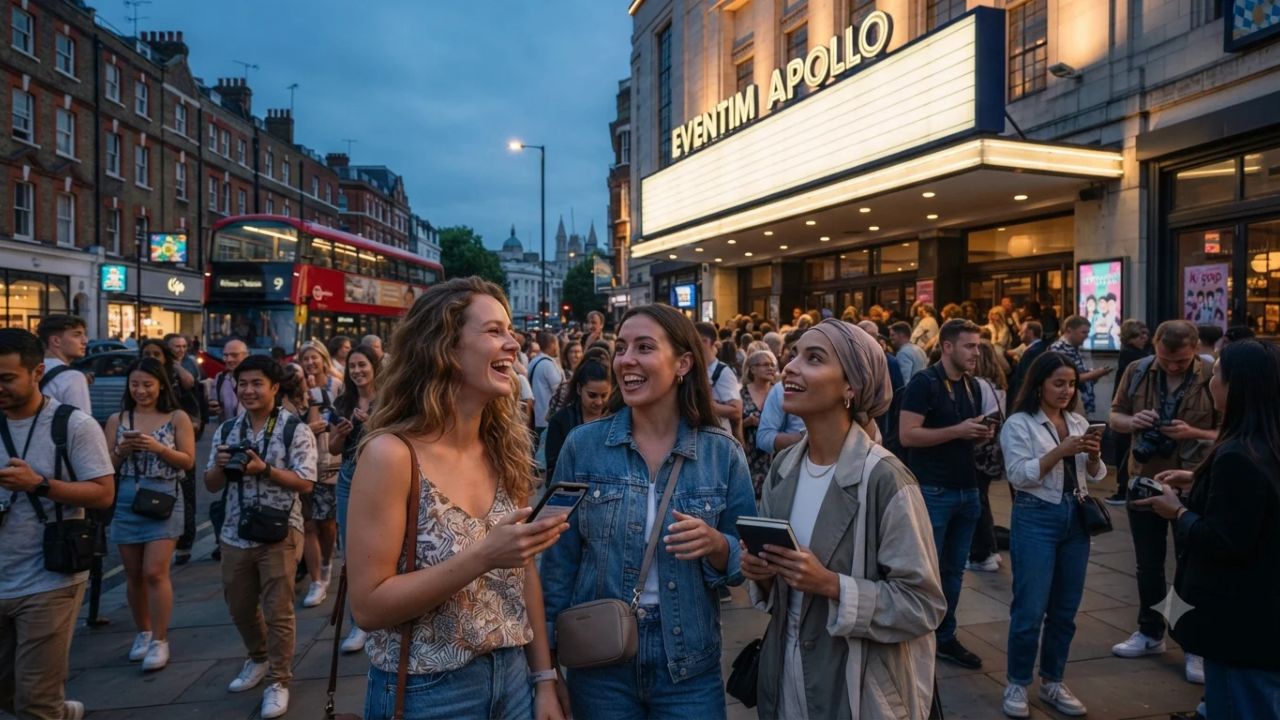
Image generated by AI
Anchored by monumental gatherings like Munich’s Oktoberfest, which commands roughly six million global visitors annually, and stadium tours selling out across the United Kingdom within minutes, the international tourism sector is experiencing a structural migration toward the Endorphin Economy. Rather than organizing vacations around geographical checklists, passive sightseeing, or static resort stays, international holidaymakers are increasingly synchronizing their global journeys exclusively around high-octane live spectacles, communal euphoria, and rare cultural moments.
This shift represents far more than an anecdotal uptick in concert ticket sales. It reflects a fundamental realignment in consumer psychology. Modern travelers, exhausted by pervasive screen immersion and workplace isolation, actively treat holiday time as an arena for emotional regulation. The primary travel question is no longer "Where should we go?" but rather "When does this unmissable collective experience happen?" As a result, host cities across four key nations—the United Kingdom, Brazil, South Korea, and Germany—are leveraging their specific cultural ecosystems to anchor the world’s most lucrative, time-sensitive visitor economies.
The Psychology of Moment-Driven Travel: Overcoming Chronic Digital Fatigue
The emergence of the Endorphin Economy represents a consumer rebellion against routine commercial tourism. For decades, the hospitality industry marketed vacations as periods of physical rest: poolside cabanas, static museum itineraries, and cruise buffet dining. While these leisure formats persist, younger demographics and high-spending experiential travelers increasingly perceive passive leisure as inadequate protection against chronic digital fatigue.
Virtual connectivity has commodified imagery; nearly every monument, shoreline, and historical landmark can be explored in high-definition video from an office desk. What digital platforms cannot replicate is the physiological surge of synchronized communal joy—the sensory vibration of 80,000 voices singing in a British stadium, the rhythmic percussion of a Rio de Janeiro samba school, or the electric anticipation of a Seoul stadium showcase.
To capture this psychological demand, national marketing agencies such as VisitBritain are realigning operational resources. By coordinating airline arrival hubs, railway transit networks, and ticketing consortiums directly with entertainment promoters, destination managers ensure that the journey from Heathrow or Manchester Airport to festival gates operates with logistical fluidity. The destination ceases to be a static backdrop; it becomes an active amphitheater for collective human connection.
Four Global Anchors: How the UK, Brazil, South Korea, and Germany Command the Market
Four nations demonstrate distinct strategies for converting cultural spectacles into sustained foreign exchange earnings. Each country builds upon unique heritage assets, creating specialized hubs that draw millions of international ticket-holders annually.
| Destination Nation | Primary Cultural Spectacle | Core Visitor Demographic | Operational Infrastructure Model | Economic & Travel Impact |
|---|---|---|---|---|
| United Kingdom | West End theater, summer music festivals, global stadium tours | International gig-trippers and multi-generational theatergoers | Coordinated transport between regional rail networks and stadium venues | High repeat seasonal migration; massive off-peak hotel yield gains |
| Brazil | Rio Carnival, regional street blocos, coastal music festivals | Cultural immersion seekers and global festival travelers | Integrated citywide safety corridors and dedicated hospitality packages | Enormous seasonal foreign exchange injection across local communities |
| South Korea | K-pop stadium showcases, Seoul Fashion Week, pop-culture expos | Global youth fandoms, pop-culture collectors, trend followers | High-speed KTX rail connections, state-backed pop-culture visitor initiatives | Extended retail and cosmetic tourism stays centered in metropolitan Seoul |
| Germany | Munich Oktoberfest, Berlin electronic music club circuits | Heritage festival participants and underground subculture travelers | High-capacity suburban S-Bahn networks, municipal transit integrations | Roughly six million annual Oktoberfest visitors; sustained weekend tourism |
The United Kingdom operates as the world’s preeminent gateway for music and stage tourism. West End theater runs and summer festivals across Glastonbury, London, and Manchester generate billions in ancillary spending. Travelers build multi-week itineraries around confirmed concert dates, transforming what once were single-evening entertainment outings into anchor holidays that encompass regional dining and countryside excursions.
In South America, Brazil harnesses the power of raw communal spectacle. The annual Rio Carnival functions as an irresistible gravitational force, drawing millions of global celebrants into the Sambadrome and neighborhood blocos. Rather than remaining confined to traditional beachfront hotels in Copacabana or Ipanema, Carnival travelers integrate into local samba communities, dispersing travel capital into grassroots creative districts.
Across the Pacific, the Korea Tourism Organization has mastered the integration of government policy and commercial fandom. Global K-pop fandoms do not treat attending stadium showcases as optional entertainment; they view it as an essential personal pilgrimage. Backed by synchronized state campaigns, international arrivals in Seoul coordinate multi-day stays combining live performances with beauty expos, high-tech fashion weeks, and culinary explorations.
Simultaneously, the German National Tourist Board showcases how centuries-old folk traditions coexist alongside modern electronic sound cultures. While Munich’s legendary Oktoberfest draws roughly six million global visitors annually to celebrate Bavarian brewing and culinary heritage, Berlin’s globally recognized techno institutions draw a continuous pipeline of weekend travelers who structure entire European journeys around access to specialized electronic venues.
Expert Analysis: The Economics of Yield Compression and Event Surge Pricing
The commercial mechanics underpinning the Endorphin Economy represent a radical departure from traditional hospitality distribution models. Historically, hotel revenue managers adjusted pricing based on predictable seasonal weather cycles—summer beach spikes, winter ski holidays, or shoulder-season conventions. In the moment-driven economy, micro-temporal event spikes completely override baseline seasonal patterns, compressing booking windows and generating unprecedented pricing volatility.
For travelers booking this route, the direct consequence is that flight and accommodation inventory within a 50-kilometer radius of major stadium venues or festival grounds evaporates months ahead of public schedule releases, requiring travelers to secure logistics simultaneously with event ticketing. Attempting to organize secondary transport or lodging after securing admission often forces travelers into extreme outer-suburban perimeters.
The pricing pressure this creates means hotel operators, short-term rental platforms, and regional rail carriers can implement algorithmic dynamic surge models that triple or quadruple standard rack rates during festival weekends. In cities like Munich during Oktoberfest or London during major summer concert runs, standard midscale hotel rooms frequently command luxury five-star tariffs.
This pricing power produces significant downstream economic effects. Regional destination marketing organizations are forced to rethink infrastructure resilience. When an international tour injects 150,000 foreign visitors into an urban center over a single 72-hour weekend, municipal transit grids, airport security checkpoints, and dining districts experience acute capacity strain. Destinations that thrive in this era are those building dedicated public-transit corridors and transparent consumer protections against ticket and lodging gouging, cementing their reputation as reliable hosts for global experiential journeys.
Key Takeaways
- The Endorphin Economy Defined: Modern international travel is decoupling from traditional geographic sightseeing, pivoting toward time-sensitive, high-energy live cultural spectacles and communal joy.
- Oktoberfest's Massive Scale: Munich’s historic Oktoberfest continues to serve as an international benchmark, drawing roughly six million global visitors annually to Bavaria.
- The UK's Live Entertainment Hegemony: Britain’s integrated festival network and West End theater ecosystem drive high-spending international gig-trippers who book multi-city itineraries around live show dates.
- State-Aligned Pop Culture in South Korea: Government-backed tourism strategies in Seoul directly align K-pop stadium events and fashion weeks with international airline capacity and retail corridors.
- Micro-Spike Revenue Management: The rise of moment-driven travel creates intense yield compression, forcing travelers to reserve flight and hotel capacity concurrently with event ticketing to avoid astronomical surge rates.
FAQ: The Endorphin Economy and Gig-Tripping 2026
What is the Endorphin Economy in global travel?
The Endorphin Economy refers to a travel trend where consumers select holiday destinations based on live events, music festivals, theatrical performances, and cultural spectacles that provide emotional euphoria and collective connection, rather than traditional passive sightseeing.
How does gig-tripping impact hotel and flight prices?
High-demand concerts and festivals cause extreme yield compression. Airlines and hotels deploy dynamic algorithmic pricing, often tripling or quadrupling standard rates across an entire metropolitan region during major event weekends.
How many people travel to Germany for Oktoberfest?
Munich’s Oktoberfest attracts roughly six million global visitors each year, making it one of the largest and most economically significant traditional folk festivals on earth.
Why are younger travelers prioritizing live events over resort holidays?
Facing widespread digital fatigue and remote-work isolation, modern travelers seek genuine human connection and memorable sensory highs that cannot be replicated through screens or static all-inclusive beach resort stays.
[As digital living accelerates, the destinations that will dominate 21st-century tourism are those that realize collective joy is no longer an amenity, but the ultimate travel commodity.]
Related Travel Guides
Disclaimer
This article is for informational and educational purposes only. It does not constitute legal, financial, or professional advice. While we strive to provide accurate and up-to-date information, travel policies, regulations, and conditions change rapidly. Always verify information with official sources before making travel decisions. Nomad Lawyer makes no representations about the accuracy, reliability, completeness, or suitability of the information provided. Readers should consult qualified professionals for advice specific to their circumstances. The views expressed in this article are those of the author and do not necessarily reflect the views of Nomad Lawyer.
Raushan Kumar
Founder & Lead Developer
Full-stack developer with 11+ years of experience and a passionate traveller. Raushan built Nomad Lawyer from the ground up with a vision to create the best travel and law experience on the web.
Learn more about our team →