
Barbuda Unveils Burton-Nibbs International Airport to Anchor Sustainable Blue Economy Tourism
Barbuda opens Burton-Nibbs International Airport, linking direct flight access with marine sanctuaries, 17 miles of pink sand beaches, and eco-tourism.
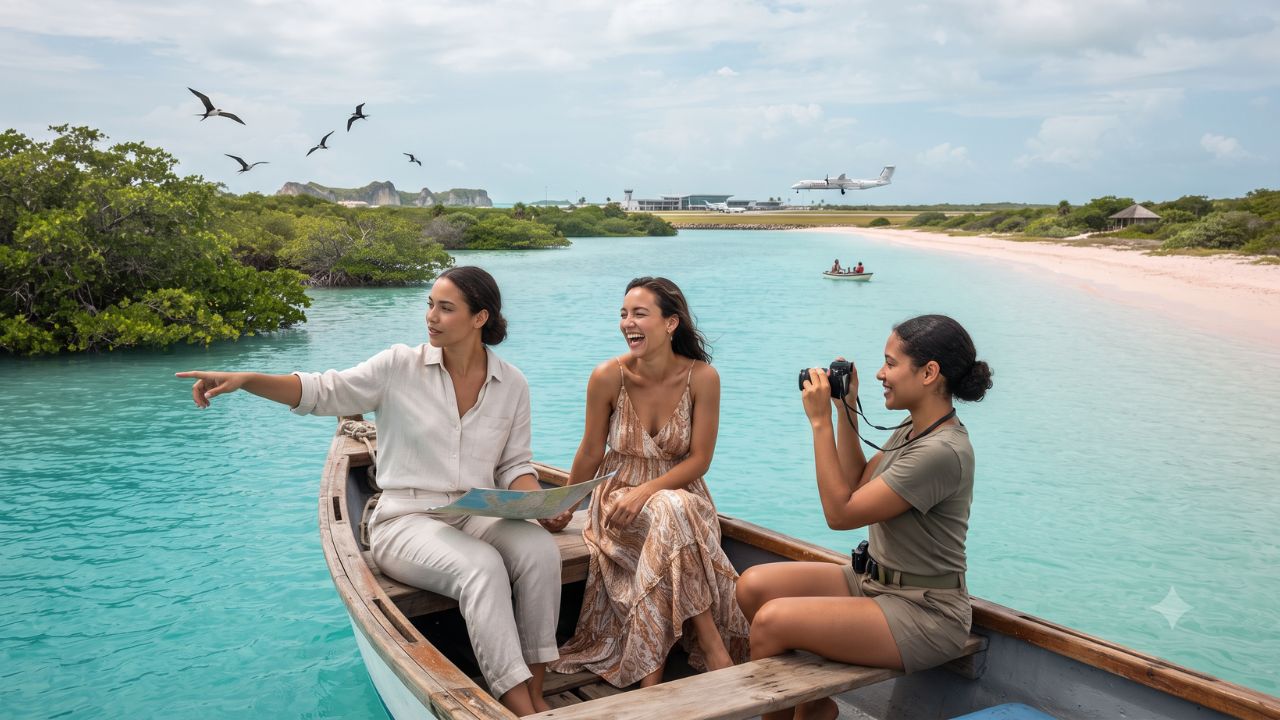
Image generated by AI
Barbuda has inaugurated the new Burton-Nibbs International Airport, connecting international aviation access with an ambitious Blue Economy development framework that prioritizes marine sanctuaries, community eco-lodges, and archaeological conservation over mass resort industrialization.
Announced on September 5, 2026, the aviation gateway provides the Leeward Caribbean island with direct regional and intercontinental connectivity, liberating travelers from sole dependency on inter-island ferry crossings or chartered sea transfers via Antigua. Rather than pursuing high-density commercial resort construction, the Barbuda Council and the Antigua and Barbuda Tourism Authority are deploying the airport to anchor low-impact eco-tourism. The strategy channels visitors toward research expeditions, regulated mangrove lagoon tours, indigenous Amerindian cave sanctuaries, and the Western Hemisphere's largest frigate bird colony.
The Local Trend Revealed: A Blue Economy Alternative to Caribbean Mass Tourism
The opening of Burton-Nibbs International Airport represents a conscious departure from traditional Caribbean hospitality models that favor mega-cruise ports and sprawling all-inclusive hotel enclaves.
Instead, Barbuda is structuring its travel economy around the Blue Economy concept—sustainable utilization of ocean resources for economic growth, improved livelihoods, and marine ecosystem preservation. Enhanced air access allows the island to attract longer-stay, high-value eco-travelers interested in immersive natural history and scientific conservation.
Key pillars of this sustainable tourism strategy include:
- Codrington Lagoon National Park: A sprawling protected wetland supporting regulated small-boat expeditions through delicate mangrove channels, preventing habitat degradation from unmanaged jet-ski or motorboat traffic.
- Frigate Bird Sanctuary: Inhabiting the northwest corner of Codrington Lagoon, this world-renowned reserve hosts an estimated 5,000 magnificent frigatebirds, making it the largest nesting colony in the Western Hemisphere.
- Archaeological Heritage at Two Foot Bay: A wild Atlantic coastal bluff dotted with ancient limestone caverns containing preserved Amerindian petroglyphs and pictographs carved by early Arawak and Ciboney inhabitants.
- Seventeen Miles of Pink Sand Coastline: Unbroken, undeveloped shorelines where crushed coral fragments (foraminifera) tint the sands pale pink, preserved for low-density coastal walking and snorkeling.
- Community-Owned Eco-Lodges: Locally managed guesthouses and boutique solar-powered eco-cabins in and around Codrington Village, ensuring that visitor expenditures flow directly to resident guides, fishermen, and family restaurateurs.
| Destination Pillar | Conservation & Travel Focus |
|---|---|
| New Aviation Gateway | Burton-Nibbs International Airport (direct regional and international access) |
| Primary Economic Framework | Blue Economy (marine conservation, community-based tourism, low-density stays) |
| Flagship Wildlife Haven | Frigate Bird Sanctuary (largest magnificent frigatebird colony in Western Hemisphere) |
| Cultural Heritage Site | Two Foot Bay caves featuring ancient Amerindian petroglyphs and rock art |
| Coastal Asset | 17 miles of pristine pink sand beaches (Low Bay, Princess Diana Beach) |
| Wetland Ecosystem | Codrington Lagoon (guided eco-boat safaris and mangrove conservation) |
| Hospitality Strategy | Community-owned eco-lodges and sustainable research expeditions |
Cultural & Environmental Value: Protecting Marine Sanctuaries and Communal Heritage
Barbuda holds a distinct cultural identity rooted in communal land tenure, traditional fishing traditions, and a shared commitment to environmental guardianship.
The expansion of marine sanctuaries under the Blue Economy initiative protects fragile barrier coral reefs that encircle the island, preventing overfishing and anchor damage while safeguarding essential nursery grounds for Caribbean spiny lobsters and sea turtles. Regulated scientific tourism invites marine biologists, oceanographers, and environmental students to conduct field studies in partnership with local guides, creating sustainable year-round employment independent of seasonal tourist cycles.
Culturally, protecting sites like Two Foot Bay elevates Barbuda's pre-Columbian indigenous narrative. Rather than commercializing sacred cave systems, guided visits led by Barbudan naturalists emphasize historical reverence, explaining how indigenous peoples utilized limestone sinkholes (such as nearby Darby Cave) for shelter, fresh water, and ceremonial gatherings centuries before European arrival.
Visitor Insider Tips: Exploring Barbuda’s Sanctuaries and Coastal Solitude
Travelers planning an expedition to Barbuda following the airport opening can optimize their experience with these local insights:
- Timing the Frigate Bird Mating Displays: Visit the sanctuary between September and April when male frigatebirds inflate their iridescent scarlet throat pouches (gular sacs) to dramatic proportions to attract mates. Arrange boat tours early in the morning through certified local boatmen at Codrington pier for optimal lighting and calm lagoon waters.
- Experiencing the Pink Sands at Low Bay: To witness the deepest pink coloration on Barbuda’s 17-mile beach, visit Low Bay during low tide when retreating waves concentrate pulverized pink shell matter along the water's edge. Pack reef-safe mineral sunscreen and carry your own drinking water, as this shoreline remains gloriously free of commercial beach clubs or concession stands.
- Local Gastronomy in Codrington Village: Savor Barbuda's culinary trademark—freshly caught Caribbean spiny lobster, grilled simply over charcoal with garlic lime butter. At village cookshops, pair local fish with traditional ducana (steamed sweet potato and coconut dumplings wrapped in banana leaves) and savory seasoned saltfish.
- Navigating Two Foot Bay Caves Safely: The Atlantic coast near Two Foot Bay features sharp limestone karst and rugged blowholes. Wear sturdy closed-toe hiking shoes, bring a reliable headlamp to inspect petroglyphs inside the dark cavern chambers, and never venture into unguided subterranean fissures.
- Respecting Local Community Pace: Barbuda operates on an unhurried, community-centric rhythm. Always greet locals with a polite "Good morning" or "Good afternoon" before asking for directions, support neighborhood grocery stores and artisan craft cooperatives, and ask permission before photographing residents or their homesteads.
Tourism Outlook: A New Benchmark for Caribbean Sustainability
The inauguration of Burton-Nibbs International Airport marks an epochal moment for Barbuda, proving that enhanced aviation connectivity does not have to come at the cost of environmental destruction.
By prioritizing Blue Economy principles, the island establishes an inspiring blueprint for Caribbean tourism in the twenty-first century. As international travelers increasingly reject overcrowded cruise hubs in search of raw ecological authenticity, quiet pink-sand horizons, and deep cultural connections, Barbuda stands prepared to welcome the world on its own terms—pure, protected, and fiercely proud of its natural heritage.
Related Travel Guides
Disclaimer
This article is for informational and educational purposes only. It does not constitute legal, financial, or professional advice. While we strive to provide accurate and up-to-date information, travel policies, regulations, and conditions change rapidly. Always verify information with official sources before making travel decisions. Nomad Lawyer makes no representations about the accuracy, reliability, completeness, or suitability of the information provided. Readers should consult qualified professionals for advice specific to their circumstances. The views expressed in this article are those of the author and do not necessarily reflect the views of Nomad Lawyer.