
Barbados and Caribbean Nations Lead Tourism Surge as Canadians Pivot Away from US Travel in 2026
Caribbean destinations, led by Barbados, are seeing a significant increase in Canadian visitors as holidaymakers reduce US travel in favor of global escapes and all-inclusive luxury.

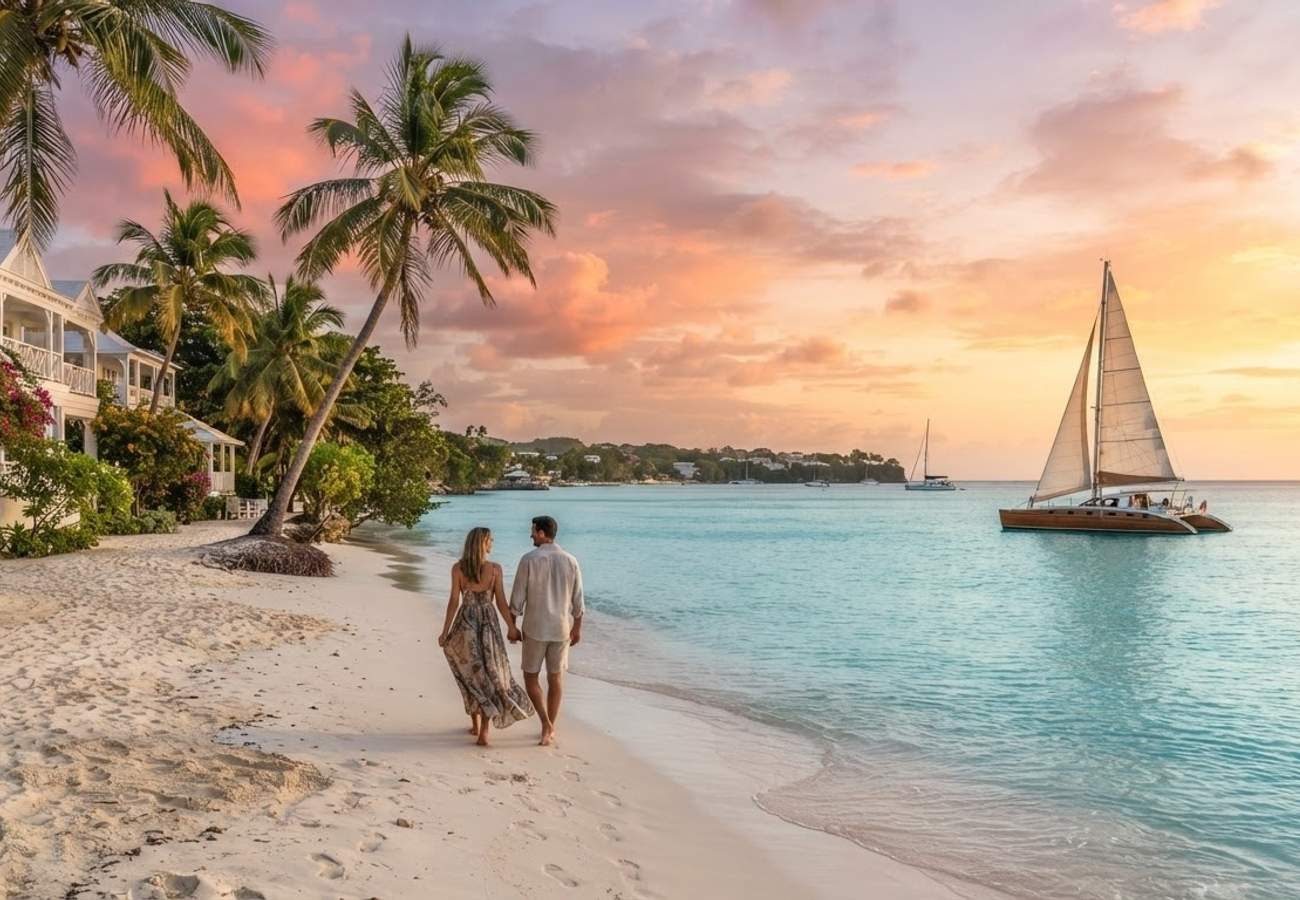
Image generated by AI
Canadian holidaymakers are aggressively diversifying their travel portfolios in 2026, triggering a massive shift in tourism revenue away from the United States and toward the Caribbean basin. This migration of travel spend is providing a strategic windfall for Barbados and its neighbors, who are now positioning themselves as the primary alternatives for North American winter escapes.
For decades, the United States served as the default international destination for Canadians, driven by geographical proximity and established corridors to hubs like Florida, California, and New York. However, current data indicates a transformation in consumer behavior. While the total volume of Canadian outbound travel remains robust, the destination preference has pivoted. Caribbean nations are successfully capturing this redirected demand by emphasizing unique cultural immersion, competitive pricing, and high-end luxury experiences that differ from the standardized American tourist circuit.
Political Sentiment and Diplomatic Friction Drive Travel Shifts
A primary catalyst for the decline in Canadian visits to the US is a shifting political climate. Increasing tensions between Ottawa and Washington regarding trade agreements, border policies, and diplomatic disputes have begun to manifest in the travel sector. For a growing segment of the Canadian population, holiday choices are no longer based solely on convenience but are increasingly aligned with personal values and national sentiment.
Industry reports suggest that many travelers now seek destinations where they feel a stronger sense of welcome and hospitality. This sociological shift has allowed Caribbean nations to refine their marketing strategies, pivoting from simple "sun and sand" messaging to highlighting their roles as friendly, inclusive, and culturally rich international sanctuaries.
Economic Pressures and the Appeal of All-Inclusive Value
Financial considerations are playing a decisive role in the 2026 travel landscape. Fluctuations in currency exchange rates have rendered US-based vacations—particularly in high-cost states—less attractive for those holding Canadian dollars. The cumulative cost of hotels, dining, and transportation in major US cities has created a budget squeeze for middle-class families.
In response, the Caribbean's all-inclusive model has become a powerful draw. By bundling accommodation, gourmet dining, and entertainment into a single upfront cost, destinations like the Dominican Republic, Jamaica, and Barbados offer a level of fiscal predictability that is rarely found in US travel. This cost-control mechanism is particularly appealing to budget-conscious travelers who want to avoid the "hidden costs" associated with American tourism.
Border Friction and Logistical Uncertainties
The ease of entry has also become a critical factor. Some Canadian travelers have expressed growing frustration with changing US border requirements and the perceived unpredictability of customs experiences. This has led to an increase in bookings for destinations with streamlined entry processes and a long-standing history of welcoming international visitors. The Caribbean's mature tourism infrastructure and experienced hospitality sectors provide a smoother, less stressful transition for travelers seeking a true escape from daily stressors.
Barbados Emerges as the Strategic Hub for Diverse Tourism
Barbados is currently at the forefront of this regional boom, intentionally diversifying its offerings to move beyond the limitations of traditional beach tourism. The island is rebranding itself as a multifaceted destination that blends high-end luxury with authentic heritage.
Canadian visitors are increasingly drawn to the island's holistic approach to tourism, which includes:
- Premium Accommodations: A mix of world-class luxury resorts and intimate boutique hotels.
- Cultural Heritage: Deep dives into Caribbean history and local traditions.
- Gastronomy: A sophisticated culinary scene blending local flavors with international standards.
- Wellness and Health: An increase in specialized retreats focusing on mental and physical well-being.
- Marine Exploration: Advanced coastal adventures and sustainable diving activities.
By offering a balance of authenticity and opulence, Barbados is capturing the "meaningful travel" segment—travelers who want their vacations to provide personal growth and cultural education alongside relaxation.
Regional Competitors Expanding Their Reach
While Barbados leads the charge, other Caribbean nations are implementing specific strategies to capture the Canadian market.
Dominican Republic: The Power of Infrastructure
The Dominican Republic continues to be a heavyweight in the region, leveraging its massive resort infrastructure in Punta Cana. By combining affordability with high-capacity family resorts and world-class golf courses, it remains a top choice for those who previously frequented Florida's coastlines.
Jamaica: Cultural Authenticity
Jamaica is pivoting toward "experience-based" tourism. By emphasizing its global influence through reggae, music, and the natural beauty of Montego Bay and Negril, the island is attracting Canadians who seek a deeper emotional and cultural connection to their destination.
The Bahamas: The Luxury Alternative
The Bahamas is doubling down on the ultra-premium segment. With a focus on private island experiences and exclusive marine adventures, it is positioning itself as the primary choice for high-net-worth Canadians seeking privacy and exclusivity.
Saint Lucia and Antigua: Niche Specialization
Saint Lucia is carving out a niche in romantic and wellness tourism, utilizing the iconic Pitons and rainforests to attract honeymooners. Simultaneously, Antigua and Barbuda are focusing on the yachting and sailing community, offering high-value, exclusive escapes.
Regional Tourism Focus Areas 2026
| Destination | Primary Attraction for Canadians | Market Positioning |
|---|---|---|
| Barbados | Cultural Heritage & Luxury | Diversified Authentic Luxury |
| Dominican Republic | All-Inclusive Resorts | High-Value Family Tourism |
| Jamaica | Music & Local Traditions | Cultural Immersion |
| The Bahamas | Private Islands & Cruises | Ultra-Premium / Exclusive |
| Saint Lucia | Rainforests & Wellness | Romantic & Nature-Based |
| Antigua & Barbuda | Sailing & Yachting | Exclusive Marine Escapes |
Why This Matters: The Shift in Traveler Psychology
For the modern traveler, this trend represents a move away from "convenience tourism" toward "intentional tourism." The decline in US travel is not a sign of decreased mobility, but rather a demand for higher value—both financial and emotional. From a logistical standpoint, this creates a massive opportunity for Caribbean nations to upgrade their infrastructure and diversify their economies away from a single-source dependency.
For the Canadian traveler, this shift means more variety and potentially better value for money. The transition from a US-centric travel habit to a Caribbean-centric one allows for a broader exploration of the Western Hemisphere, promoting a more globalized perspective on leisure and luxury.
As the travel landscape of 2026 continues to evolve, the Caribbean's ability to maintain this momentum will depend on its capacity to sustain sustainable growth while keeping its authentic charm intact.
Related Travel Guides
Disclaimer
This article is for informational and educational purposes only. It does not constitute legal, financial, or professional advice. While we strive to provide accurate and up-to-date information, travel policies, regulations, and conditions change rapidly. Always verify information with official sources before making travel decisions. Nomad Lawyer makes no representations about the accuracy, reliability, completeness, or suitability of the information provided. Readers should consult qualified professionals for advice specific to their circumstances. The views expressed in this article are those of the author and do not necessarily reflect the views of Nomad Lawyer.
Raushan Kumar
Founder & Lead Developer
Full-stack developer with 11+ years of experience and a passionate traveller. Raushan built Nomad Lawyer from the ground up with a vision to create the best travel and law experience on the web.
Learn more about our team →