Bahrain and UAE Lead GCC Integration to Power Saudi Arabia’s AI Tourism Revolution


Image generated by AI
GCC Nations Synchronize Digital Infrastructure for Saudi Tourism
The landscape of Middle Eastern travel is undergoing a fundamental shift as Bahrain and the UAE integrate their digital infrastructures to support Saudi Arabia's AI-driven tourism evolution. This strategic alignment is not merely about increasing visitor numbers but is focused on creating a "machine-readable" tourism environment. By synchronizing smart travel networks, GCC nations are enabling a system where artificial intelligence can analyze traveler behavior in real-time, optimize destination management, and curate hyper-personalized itineraries across national borders.
This regional synergy is designed to move beyond traditional tourism growth, transitioning instead toward an intelligent ecosystem. The goal is to create a seamless flow of data and people, where the digital journey begins long before a traveler reaches the airport and continues through an AI-managed experience across multiple Gulf destinations.
Saudi Arabia Deploys Intelligent Tourism Ecosystem
In 2026, the Kingdom of Saudi Arabia has pivoted its strategy toward the deployment of intelligent tourism infrastructure. A primary catalyst for this change was the introduction of the Unified Tourism Services Platform during LEAP 2026. This digital hub centralizes critical sector functions, including tourism licensing, investment services, compliance protocols, and professional training, into a single accessible environment.
To further enhance user interaction, the Ministry of Tourism has integrated "Tourism X," an AI-powered support system designed to streamline access to services and provide intelligent guidance to stakeholders and visitors. The Kingdom is currently scaling several high-tech applications to redefine the visitor experience:
- Predictive Tourism Analytics: Using big data to forecast visitor trends and manage crowd flows.
- AI-Powered Travel Assistants: Providing 24/7 personalized support for international tourists.
- Smart Destination Management: Optimizing the operational efficiency of tourist sites.
- Digital Visitor Guidance: Implementing real-time, location-based navigation and information.
- Multilingual AI Services: Removing language barriers through instant, high-fidelity translation.
- Personalized Recommendations: Leveraging machine learning to suggest activities based on individual preferences.
Regional Integration of Smart Travel Networks
The ambition of Saudi Arabia's AI tourism sector is being amplified by a wider Gulf network. The UAE, Bahrain, Qatar, Oman, and Kuwait are creating a connected market that leverages aviation links and digital innovation to facilitate easier cross-border movement. Central to this effort is the GCC Unified Tourist Visa concept, which aims to treat the region as a single destination.
The following table outlines the specific contributions of regional partners to the Saudi AI tourism framework:
| Country | Support Mechanism for Saudi AI Tourism | Primary Contribution |
|---|---|---|
| Bahrain | Short-haul smart travel connectivity | Weekend tourism, GCC visitor flows, digital cooperation |
| UAE | Global aviation and technology support | International gateways, AI innovation, luxury tourism links |
| Qatar | Aviation connectivity and smart tourism development | International visitors, business travel, digital innovation |
| Oman | Cultural and nature tourism connections | Multi-destination travel experiences |
| Kuwait | Regional visitor demand | Family, leisure and religious travel flows |
| Jordan | Heritage and cultural tourism links | Regional travel packages |
| Egypt | Religious and cultural visitor networks | Large regional tourism market |
| Turkey | Aviation and tourism exchange | International connectivity |
Bahrain’s Role in Enhancing Short-Haul Connectivity
Bahrain is positioning itself as a critical node in Saudi Arabia’s smart tourism network. Due to its geographical proximity, the island nation is uniquely placed to facilitate frequent cross-border movements, which provide the necessary data points for AI systems to optimize short-haul travel.
The integration focuses on three primary areas. First, the growth of short-haul travel allows for the creation of multi-country Gulf itineraries, which AI platforms can now recommend based on real-time availability and traveler profiles. Second, Bahrain’s own domestic digital transformation efforts ensure that tourism data and visitor services are compatible with Saudi systems, creating a unified regional digital layer. Finally, the promotion of experience-based weekend tourism encourages a flexible travel pattern that AI systems can manage to maximize visitor satisfaction across both nations.
UAE Technology and Aviation Hubs Accelerate Growth
The United Arab Emirates provides the technological backbone and global reach necessary for Saudi Arabia's AI ambitions. With Dubai and Abu Dhabi serving as the world's premier aviation gateways, the UAE acts as the primary funnel for international tourists entering the region.
The UAE's contribution is twofold: advanced digital infrastructure and global access. By sharing expertise in AI ecosystems, the UAE helps Saudi Arabia refine its intelligent tourism solutions. Furthermore, the integration of luxury tourism allows AI platforms to weave together high-end experiences across Dubai, Riyadh, Jeddah, AlUla, and various Red Sea destinations. This creates a sophisticated, connected network where a luxury traveler can have their preferences mirrored and met across different countries seamlessly.
Qatar and Oman Expand the Tourism Scope
Qatar is bolstering the ecosystem through its strengths in business travel and global aviation. Qatar Airways serves as a vital link, bringing global markets into the Gulf. For AI tourism systems, the data generated from these international passenger flows allows for the design of smoother, more efficient multi-destination journeys, particularly for business travelers who combine corporate trips with leisure.
Simultaneously, Oman is adding cultural and environmental depth to the network. By linking Oman’s nature-based tourism with Saudi Arabia’s heritage sites in AlUla, religious landmarks, and the futuristic urban centers of the Kingdom, the region is creating a diverse product offering. This variety allows AI algorithms to build comprehensive "Culture and Nature" packages that appeal to a broader demographic of global travelers.
Why This Matters: The Impact on the Modern Traveler
For the traveler, this regional AI integration means the end of fragmented trip planning. Instead of managing separate visas, bookings, and guides for each GCC country, the shift toward smart travel networks creates a "single-window" experience. From a logistical standpoint, the move toward a machine-readable ecosystem reduces friction at borders and optimizes transport timings.
The real-world value lies in the transition from generic tourism to "intelligent" tourism. When Bahrain, the UAE, and Saudi Arabia synchronize their data, the AI doesn't just suggest a hotel; it suggests a three-country journey based on the traveler's specific interests in art, religion, or luxury, while automatically handling the logistical hurdles. This regional cooperation transforms the Gulf from a collection of individual destinations into a unified, tech-driven tourism zone.
Related Travel Guides
This article is for informational purposes. Flight routes, passenger regulations, visa rules, and transit advisories are subject to change by airlines and aviation authorities. Readers are advised to verify schedules and travel documentation with relevant carriers and border agencies before departure.
Related Stories
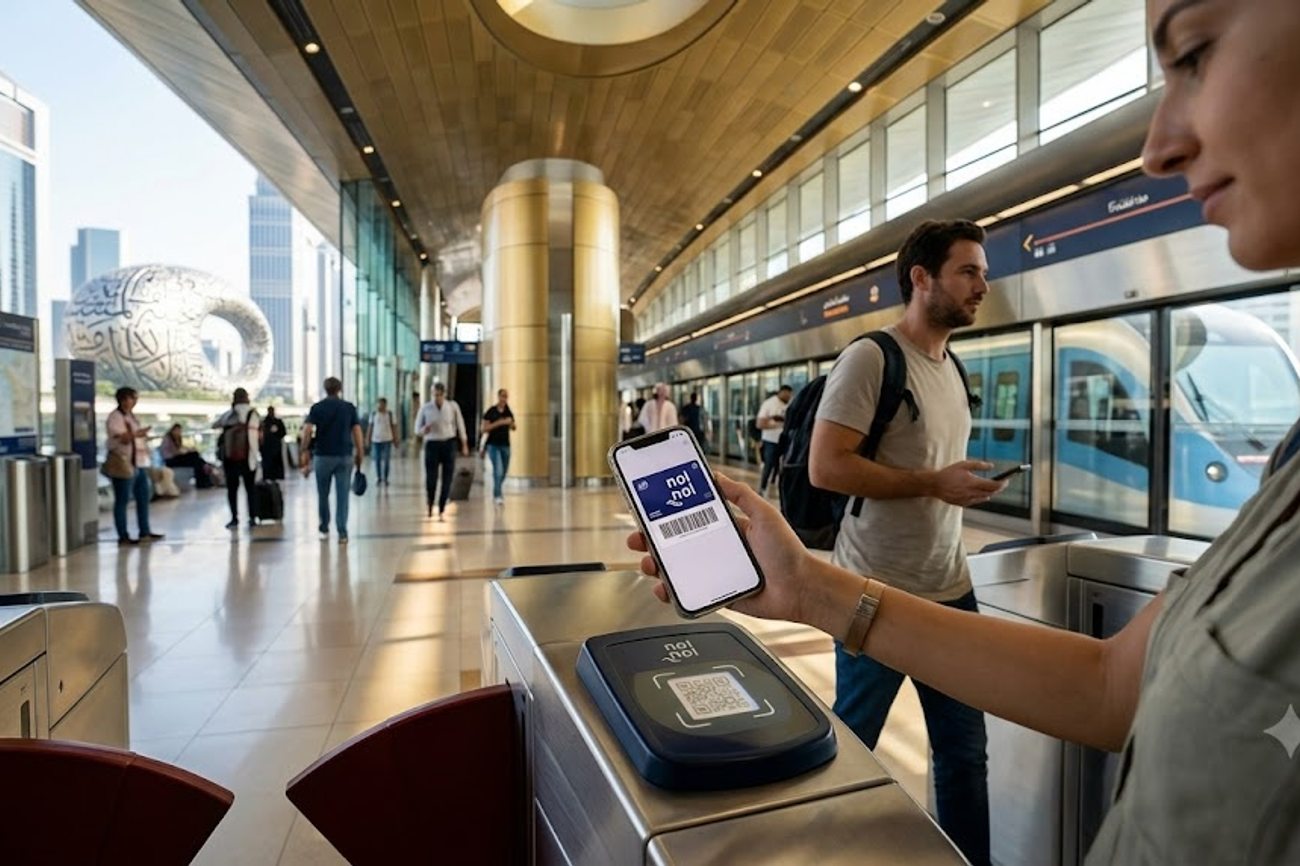
Dubai Introduces Digital Nol QR Tickets for Metro, Buses and Trams as Visitors Gain a Paper-Free Travel Option

Argentina Prepares for Three Specialist Conferences Linking Tourism Policy, Education and Interactive Technology