
Australia Wildlife Tourism Becomes Global Travel Magnet as Unique Species and Conservation Experiences Drive 2026 Visitor Boom: What Every Traveller Must Know
Australia wildlife tourism is experiencing a record visitor surge in 2026, driven by international demand for unique endemic species, marine conservation, and Indigenous-guided nature experiences.

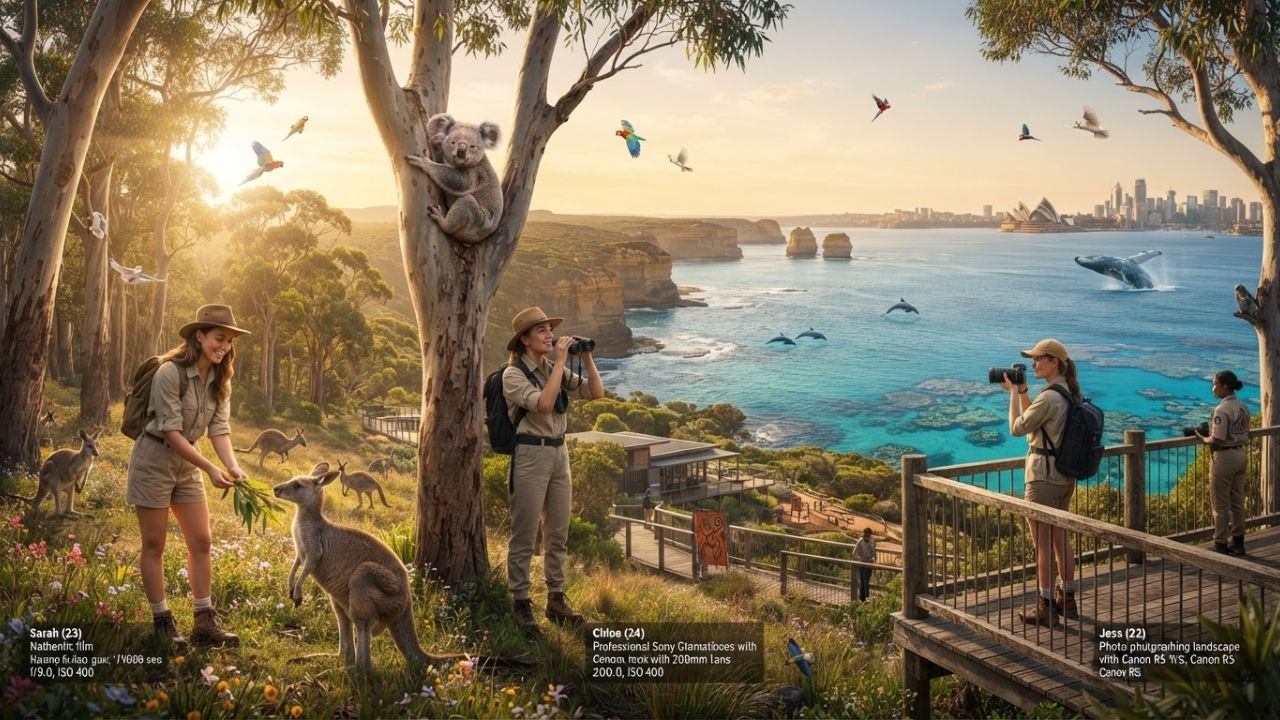
Image generated by AI
Australia wildlife tourism is emerging as a primary catalyst for global travel in 2026, as international visitors increasingly prioritize immersive animal encounters, ecological conservation, and natural heritage over traditional urban itineraries. Official government statistics confirm a substantial rise in short-term international arrivals, propelled by an expanding global appetite for endemic species such as kangaroos and koalas, pristine marine ecosystems, and Indigenous-led environmental tours. To maximize their journey while safeguarding vulnerable natural habitats, travelers visiting regional sanctuaries and national parks across the continent must understand changing seasonal conditions, regional travel logistics, and updated wildlife interaction guidelines.
📌 Quick Summary
- Record Visitor Surge: Short-term international visitor arrivals in Australia climbed to 818,990 in March 2026, marking a 7.6% increase compared to the 761,230 arrivals recorded in March 2025.
- Endemic Biological Magnet: Australia’s unique native species—many of which exist nowhere else on Earth—are transforming nature and conservation journeys into mainstream global travel drivers.
- Regional Economic Footprint: Key wildlife hot spots across Queensland, Victoria, South Australia, Western Australia, Tasmania, and the Northern Territory are fueling regional employment while extending average length of stay.
- Conservation-Led Travel: Eco-tours, marine research initiatives, wildlife rehabilitation centers, and Indigenous environmental programs are directing visitor spending toward habitat protection and sustainable travel strategies.
- Ecosystem Vulnerabilities: Climate change, extreme weather risks, animal welfare standards, and regional transport connectivity remain critical operational factors for maintaining long-term tourism expansion through 2030.
Published on July 30, 2026
The shift toward nature-focused journeys signals a fundamental evolution in how international tourists experience the Australian continent. According to data monitored by the Australian Bureau of Statistics (ABS), international travel confidence has strengthened significantly throughout the 2025–2026 recovery phase. Rather than focusing exclusively on high-density city breaks, modern travelers are channeling time and financial resources into regional destinations that deliver direct engagement with wildlife and natural landscapes.
For global travelers, this transformation offers unprecedented opportunities to participate in high-value, conservation-minded tourism. However, navigating remote geography, seasonal wildlife migrations, and stringent environmental regulations requires careful planning. Official tourism updates emphasize that responsible travel practices are vital to ensuring that increased visitor volumes do not compromise Australia's fragile ecological balance.
Context and Background: Why Nature Drives Australia's Tourism Shift
Australia’s international travel appeal has historically revolved around globally recognized urban landmarks and coastal hubs, including Sydney Harbour, Melbourne’s cultural districts, the Gold Coast beaches, and the Great Barrier Reef. While these destinations continue to draw millions of guests annually, official tourism assessments indicate that nature-based and wildlife-driven experiences have transitioned from a niche segment into a primary travel motivation.
Post-pandemic travel preferences have permanently altered global visitor behavior. International tourists are seeking authentic connections with nature, small-group itineraries, outdoor exploration, and educational journeys that offer personal transformation. Australia holds an unmatched competitive advantage in this evolving market because a vast proportion of its native fauna is endemic, meaning these species cannot be observed in their natural habitats anywhere else in the world.
Furthermore, government tourism data reveals that Australia's travel sector strategy has pivoted toward attracting higher-value visitors rather than relying solely on raw visitor numbers. International tourists participating in wildlife journeys tend to stay longer, travel further into regional communities, and spend across local supply chains, supporting accommodation providers, guided tour operators, transport services, and regional hospitality businesses.
Event and Incident Details: Australia Wildlife Tourism 2026 Growth Figures
The expansion of Australia wildlife tourism in 2026 is anchored by robust arrival metrics and a widespread geographical distribution of nature experiences. Short-term international visitor arrivals jumped from 761,230 in March 2025 to 818,990 in March 2026, representing a 7.6% year-over-year increase according to official figures from the Australian Bureau of Statistics.
Across the country, key regional destinations and protected environments are registering heightened demand for specialized wildlife activities:
- Koala Conservation Encounters: Protected sanctuaries and habitat reserves across Queensland, Victoria, and South Australia are seeing record bookings for educational koala encounters.
- Kangaroo and Wildlife Viewing: Rural and Outback landscapes across multiple states offer open-space observation of wild kangaroo populations in natural settings.
- Marine Biodiversity Journeys: Coastal corridors support world-class whale watching expeditions, while the Great Barrier Reef in Queensland and Ningaloo Reef in Western Australia attract divers and snorkelers seeking giant marine species and coral ecosystems.
- National Park Expeditions: Remote reserves, including Kakadu National Park in the Northern Territory and protected wilderness areas in Tasmania, report growing interest in birdwatching and wildlife photography.
- Indigenous-Led Ecological Tours: Native cultural guides provide international visitors with deep traditional ecological knowledge, combining wildlife spotting with ancient land stewardship practices.
Statistical Comparison: Australia Tourism Performance (2025 vs. 2026)
To understand how nature-based travel has reshaped the national tourism landscape, the table below compares key market indicators between 2025 and 2026 based on official tourism data:
| Tourism Indicator | 2025 Market Status | 2026 Market Status |
|---|---|---|
| International Visitor Arrivals | Continued recovery phase (761,230 in March 2025) | Stronger growth momentum (818,990 in March 2026; +7.6%) |
| Nature-Based Travel Demand | Rising consumer interest | Mainstream travel driver across key source markets |
| Wildlife Experiences | Popular niche offering | Core international marketing anchor and attraction |
| Regional Tourism Distribution | Steady baseline recovery | Accelerated growth powered by nature itineraries |
| Sustainable Travel Integration | Growing priority for operators | Central foundation of national tourism strategy |
Risk and Impact Analysis: Environmental Challenges Threatening Tourism Growth
Despite the positive economic momentum surrounding Australia wildlife tourism, industry analysts and environmental authorities highlight several ongoing operational risks and ecological challenges that could impede long-term sustainability if unmanaged:
- Climate Change Pressures: Rising global temperatures, warming sea surface waters, severe bushfire seasons, and unpredictable rainfall patterns pose direct threats to sensitive wildlife habitats and natural ecosystems.
- Endangered Species Vulnerability: Increased human activity within natural reserves requires strict management to prevent habitat degradation and stress among threatened native animal species.
- Visitor Capacity Controls: Overcrowding at popular wildlife hotspots can harm local ecosystems and diminish the quality of the visitor experience.
- Animal Welfare Standards: Maintaining ethical interaction rules—ensuring animals are observed without harassment, unnatural feeding, or confinement—is critical to preserving international brand trust.
- Regional Infrastructure Bottlenecks: Limited regional transport connections, rural road maintenance, and remote emergency medical response services present logistical hurdles for travelers venturing far beyond capital cities.
What Authorities and Tourism Bodies Are Saying
Official government bodies and industry leaders emphasize that the future of Australian tourism depends on maintaining an uncompromising commitment to environmental conservation and responsible management.
Data released by the Australian Bureau of Statistics demonstrates that international travelers are increasingly choosing experiential travel products that support local conservation initiatives. Tourism authorities note that wildlife encounters represent premium offerings involving specialized guides, eco-certified lodging, and direct contributions to wildlife rehabilitation.
"The next phase of Australian tourism will not only be measured by visitor numbers," industry analysts note in official assessments. "It will be defined by meaningful experiences, sustainable growth, and the concrete ability to protect the extraordinary wildlife that makes the country unique."
Furthermore, state tourism organizations across Western Australia, the Northern Territory, Tasmania, and Queensland are actively promoting regional dispersal strategies to ensure economic benefits are distributed into rural communities while managing visitor density in high-profile national parks.
Practical Traveler Advice: How to Plan a Responsible Wildlife Trip
For international tourists planning a nature-focused trip to Australia in 2026, implementing practical preparedness strategies ensures a safe, rewarding, and environmentally respectful journey:
- Book Certified Eco-Tour Operators: Choose travel companies and sanctuaries certified by recognized eco-tourism bodies that adhere to strict animal welfare and habitat protection protocols.
- Reserve Regional Travel and Accommodation Early: High-demand wildlife locations such as Ningaloo Reef or Kakadu National Park have limited accommodation capacity; book regional flights, car rentals, and eco-lodges months in advance.
- Participate in Indigenous-Guided Experiences: Engage with Indigenous traditional owners and local guides to gain authentic insights into native flora, fauna, and traditional land conservation methods.
- Follow Wildlife Safety and Interaction Rules: Keep a safe distance from wild animals, never attempt to feed native species, and strictly follow instructions provided by park rangers and certified guides.
- Prepare for Remote Conditions and Climate Variability: Pack appropriate outdoor gear, remain updated on regional weather alerts, carry ample water, and verify emergency communication options when traveling through remote regional zones.
Broader Context: Biological Uniqueness and Regional Economic Development
Australia's biological uniqueness provides an inherent advantage in global destination marketing. Because millions of years of geographic isolation allowed distinct fauna to evolve, experiences such as watching wild kangaroos graze at dawn or spotting wild koalas in eucalyptus canopies cannot be duplicated in other global travel markets.
This biological advantage serves as a powerful economic multiplier for regional economies. While urban travel centers on hotel chains and city attractions, wildlife travel directs tourist dollars directly into regional transport providers, local restaurants, small-scale accommodations, and community-based tour agencies.
By encouraging visitors to extend their stay by several days to explore regional national parks in states like South Australia, Victoria, or Tasmania, wildlife tourism strengthens regional economic resilience and supports the broader diversification of Australia's national economy.
Looking Ahead: Australia's Outlook as a Global Nature Leader by 2030
Looking toward 2030, Australia is strategically positioned to solidify its standing as a premier global leader in nature and wildlife tourism. The strong performance recorded during the 2025–2026 period demonstrates that global traveler expectations have fundamentally shifted toward sustainability, authenticity, and environmental responsibility.
To sustain this growth momentum, government agencies, private tour operators, and conservation organizations must maintain collaborative management frameworks. Continued investment in renewable tourism infrastructure, habitat restoration, marine research partnerships, and Indigenous environmental stewardship will ensure that Australia's iconic wildlife remains protected for generations to come.
FAQ: Australia Wildlife Tourism 2026
What caused the surge in Australia wildlife tourism in 2026?
The surge is driven by global demand for authentic nature experiences, endemic species like koalas and kangaroos, marine conservation tours, and Indigenous-guided environmental journeys post-pandemic.
How many international visitors arrived in Australia in March 2026?
According to the Australian Bureau of Statistics, short-term international visitor arrivals reached 818,990 in March 2026, representing a 7.6% increase compared to March 2025.
What are the top places for wildlife tourism in Australia?
Key locations include Ningaloo Reef (Western Australia), Kakadu National Park (Northern Territory), wildlife sanctuaries in Queensland, Victoria, and South Australia, and protected reserves in Tasmania.
How does wildlife travel support Australia's regional economy?
Wildlife tourism encourages international visitors to travel beyond major cities, spending money on regional lodging, local guides, transport, and community businesses, while extending their total length of stay.
Conclusion: Emphasizing Preparedness and Ecosystem Vigilance
As Australia's wildlife tourism revolution continues to captivate global travelers in 2026, the sector's long-term success relies on a shared commitment to environmental vigilance and sustainable travel practices. By choosing certified eco-tours, respecting native habitats, and planning regional journeys responsibly, international visitors can experience Australia's extraordinary biodiversity while actively contributing to its preservation.
SEO & Google News Metadata Suggestions
- Suggested Meta Title: Australia Wildlife Tourism 2026: Record Visitor Surge & Guide (< 60 chars)
- Suggested URL Slug:
australia-wildlife-tourism-global-travel-magnet-2026 - Suggested Article Tags:
Australia wildlife tourism,Australia travel alert 2026,Eco tourism Australia,Conservation travel,Australian Bureau of Statistics
Related Travel Guides
The 10 Best Wildlife Sanctuaries in Australia, According To Reddit
Disclaimer
This article is for informational and educational purposes only. It does not constitute legal, financial, or professional advice. While we strive to provide accurate and up-to-date information, travel policies, regulations, and conditions change rapidly. Always verify information with official sources before making travel decisions. Nomad Lawyer makes no representations about the accuracy, reliability, completeness, or suitability of the information provided. Readers should consult qualified professionals for advice specific to their circumstances. The views expressed in this article are those of the author and do not necessarily reflect the views of Nomad Lawyer.
Kunal K Choudhary
Co-Founder & Contributor
A passionate traveller and tech enthusiast. Kunal contributes to the vision and growth of Nomad Lawyer, bringing fresh perspectives and driving the community forward.
Learn more about our team →