
Australia Regional Healthcare Shift 2026: Sunshine Coast and Hobart Emerge as Global Medical Tourism Hubs
Regional Australian towns like the Sunshine Coast and Hobart are disrupting medical tourism in 2026 by blending specialist healthcare with nature-based recovery environments.

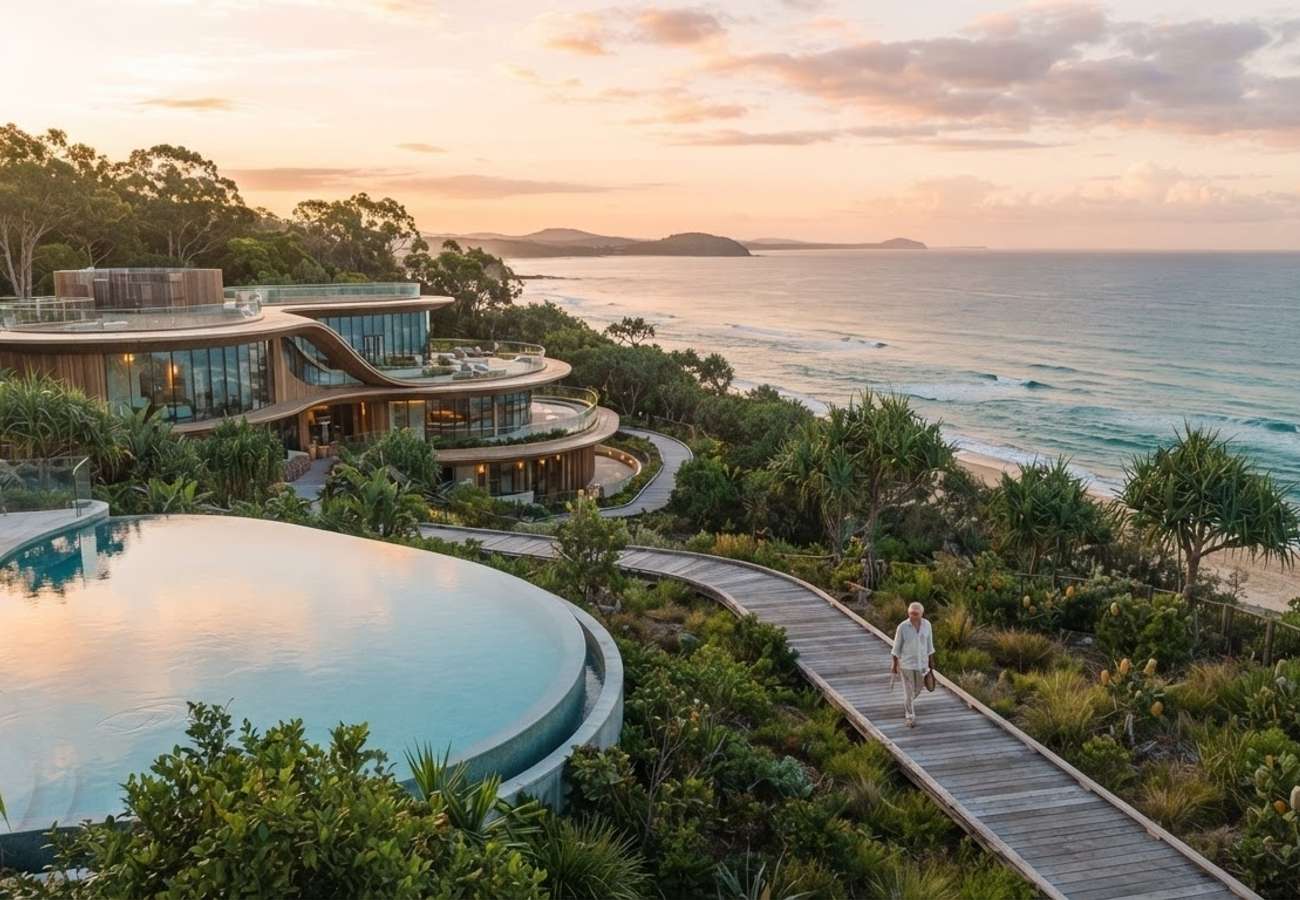
Image generated by AI
International patients are bypassing crowded capital cities in 2026 to seek specialist treatment in regional Australian hubs. Destinations like the Sunshine Coast and Hobart are now integrating advanced surgical care with nature-based recovery, transforming medical journeys into holistic wellness experiences.
The Regional Healthcare Pivot
A significant shift is occurring across the Australian medical landscape. While Sydney and Melbourne have historically dominated the healthcare sector, 2026 marks the rise of regional centers as primary destinations for global medical travelers. This movement is driven by a demand for "recovery-centric" travel—where the environment surrounding the hospital is as important as the surgery itself.
From the tropical corridors of Cairns to the temperate air of Tasmania, smaller cities are investing heavily in modern infrastructure and specialist services. This decentralization allows international patients to avoid metropolitan congestion while accessing the same regulated, high-standard medical practices Australia is known for globally.
Regional Medical Hubs and Specializations 2026
The following table outlines the specific strengths of emerging regional destinations and why they are attracting a global patient base.
| Town / Region | State | Major Healthcare Strengths | Key Medical Services | Recovery Advantages |
|---|---|---|---|---|
| Sunshine Coast | QLD | Advanced private hospitals & diagnostic facilities | Orthopaedics, neurosurgery, plastic surgery, rehab | Coastal climate, wellness resorts |
| Hobart | TAS | Integrated private/public specialist networks | Surgery, diagnostics, chronic care management | Clean air, slow-paced lifestyle |
| Darwin | NT | Northern Australia's primary healthcare hub | Emergency care, specialist consultations | Tropical environment, Indigenous tourism |
| Newcastle | NSW | University-linked medical research & expertise | Cancer care, surgery, rehabilitation | Coastal settings, lower congestion |
| Cairns | QLD | Tropical healthcare hub for Far North Australia | Dental care, wellness treatments, rehab | Great Barrier Reef access, nature therapy |
| Geelong | VIC | Expanding infrastructure near Melbourne | Specialist care, aged care, diagnostics | Waterfront environment, lifestyle focus |
| Wollongong | NSW | Strong regional hospital & allied health networks | Rehabilitation, surgery, allied health | Ocean environment, walking trails |
| Launceston | TAS | Regional specialist healthcare center | Medical consultations, aged care, wellness | Heritage tourism, nature-based healing |
| Toowoomba | QLD | Growing inland medical infrastructure | Specialist care, cancer support, rehab | Cooler climate, peaceful atmosphere |
| Albury | NSW | Cross-border hub for NSW and Victoria | Diagnostics, surgery, specialist appointments | River landscapes, relaxed pace |
Cultural and Environmental Value
For the visitor, the real impact of this shift is the transition from "patient" to "guest." In traditional metropolitan medical tourism, the experience is often clinical and hurried. In regional hubs, the recovery phase is integrated into the local culture and environment.
In the Sunshine Coast, the development of the health precinct allows patients undergoing orthopaedic or neurosurgical procedures to transition directly into coastal rehabilitation. Similarly, Cairns is leveraging its proximity to the rainforest and the Great Barrier Reef to offer "nature therapy" as a complement to dental and specialist treatments.
This trend supports regional economies by diversifying their tourism offerings beyond seasonal leisure travel. By attracting high-value medical travelers, these towns are sustaining year-round growth and funding further improvements in local healthcare infrastructure, which ultimately benefits the permanent residents of these communities.
Visitor Insider Tips
Navigating regional medical travel requires a different approach than city-based trips. To maximize the experience, consider these local insights:
- The "Recovery Window": For those visiting Hobart or Launceston, schedule your stay during the shoulder seasons (Spring or Autumn). The air is crisp and the crowds are thin, providing the ideal psychological environment for chronic care recovery.
- Climate Considerations: If seeking treatment in Cairns or Darwin, ensure your recovery accommodation is equipped with high-grade climate control to manage the tropical humidity, which can impact post-surgical inflammation.
- Local Etiquette: Regional Australia operates at a slower pace. When interacting with healthcare providers in towns like Toowoomba or Albury, expect a more personalized, community-oriented approach to care than the transactional nature of big-city clinics.
- Sustainable Transit: Many of these hubs are now promoting eco-friendly transfers. In the Sunshine Coast and Geelong, look for hybrid shuttle services that connect hospitals to wellness resorts to reduce your carbon footprint.
Tourism Outlook
The long-term trajectory suggests that Australia will move toward a "Hub and Spoke" medical model. Capital cities will remain the centers for acute, high-complexity emergencies, while regional towns will evolve into specialized "Recovery Zones." As these regions continue to align their medical capabilities with their natural assets, they will likely become the primary choice for elective surgeries and long-term rehabilitation on a global scale.
The future of healing is moving away from the sterile city center and toward the restorative power of the regional coast.
Related Travel Guides
Disclaimer
This article is for informational and educational purposes only. It does not constitute legal, financial, or professional advice. While we strive to provide accurate and up-to-date information, travel policies, regulations, and conditions change rapidly. Always verify information with official sources before making travel decisions. Nomad Lawyer makes no representations about the accuracy, reliability, completeness, or suitability of the information provided. Readers should consult qualified professionals for advice specific to their circumstances. The views expressed in this article are those of the author and do not necessarily reflect the views of Nomad Lawyer.
Kunal K Choudhary
Co-Founder & Contributor
A passionate traveller and tech enthusiast. Kunal contributes to the vision and growth of Nomad Lawyer, bringing fresh perspectives and driving the community forward.
Learn more about our team →