
Australia, European Union, and Global Nations Launch Multi-Million Grant Initiatives to Fund Regional Tourism Infrastructure and Cultural Heritage in 2026
Australia, the European Union, Canada, and Fiji deploy multi-million grant programs to fund regional tourism infrastructure, cultural trails, and heritage sites.

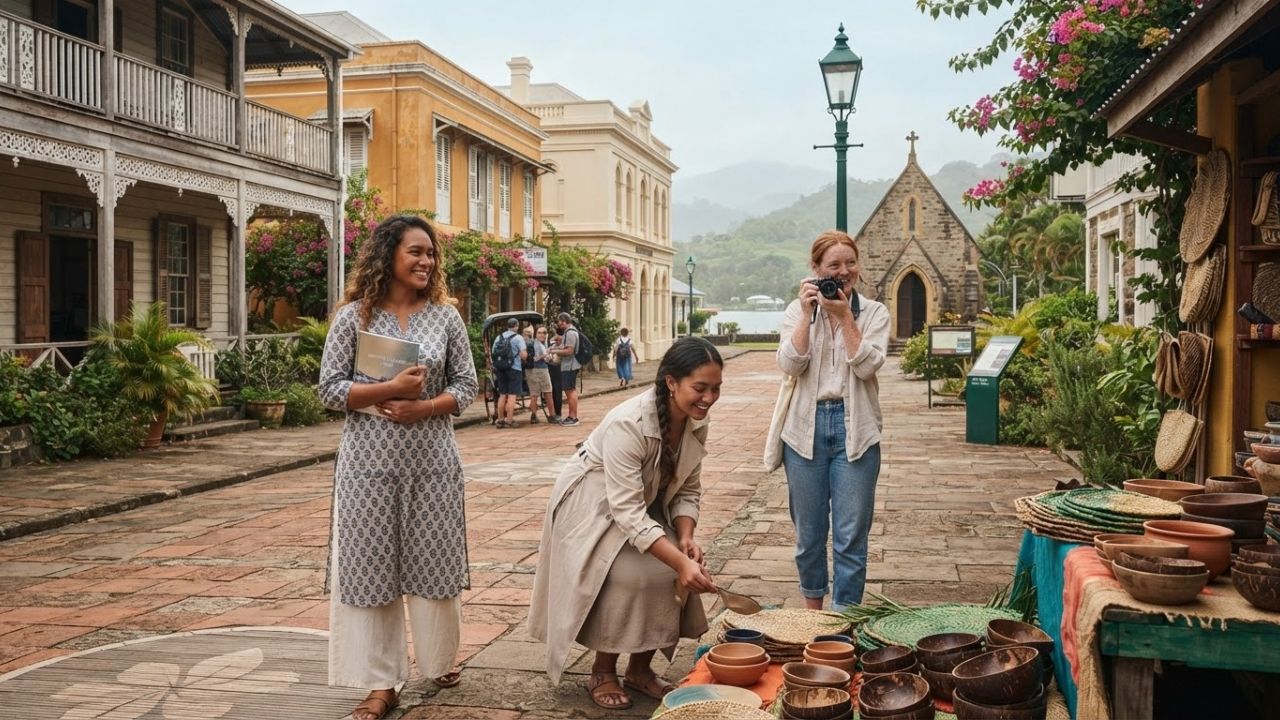
Image generated by AI
Governments across Australia, the European Union, Canada, India, and Fiji have launched coordinated financial grant programs to revitalize regional tourism infrastructure, restore historic cultural heritage sites, and empower local operators in 2026. The funding packages, deployed by national ministries and international multilateral bodies, directly target grassroots hospitality providers, cross-border cultural trails, and Small Island Developing States (SIDS) to sustain long-term economic development.
With global traveler demand shifting toward authentic cultural immersion and sustainable regional travel, public authorities are deploying targeted capital injections to modernize visitor facilities without compromising environmental or heritage integrity. By linking funding disbursements to strict environmental compliance, job creation metrics, and digital integration standards, governments aim to create resilient regional visitor economies.
Australia and European Union Lead Infrastructure Grants
At the national level, Australia continues to lead regional infrastructure support through its Community Events and Tourism Grants Program. Administered via federal and regional channels like Austrade, the program injects direct capital into rural and suburban destinations. Funding enables local tourism operators, non-profits, and municipal councils to upgrade visitor centers, expand regional festival capacity, and install eco-friendly trail infrastructure.
Global Tourism & Cultural Infrastructure Funding Flow
├── Australia (Community Events Grants) ──► Upgrades Rural Visitor Sites & Local Event Nodes
├── European Union (Sustainable Framework) ──► Restores Cross-Border Trails (Greece, Italy, Eastern EU)
├── Fiji (Pilot Micro & Small Fund)     ──► Empowers Grassroots Eco-Lodge & Artisan Enterprises
└── UNESCO (IFCD Global Program)        ──► Strengthens Intangible Cultural Assets & Creative Arts
Concurrently, the European Union is deploying multi-million-euro packages under its Sustainable Cultural Tourism Framework. Multilateral consortia in member states—including Greece, Italy, and Eastern European territories—are utilizing these funds to digitize heritage trails, restore ancient architectural monuments, and map lesser-known regional attractions. According to program rules monitored by the European Commission, grant disbursements are tied to transparent community reports and eco-preservation standards.
Global Infrastructure and Cultural Grant Specifications
National governments and multilateral bodies have established defined funding vehicles to support distinct sectors within the global tourism economy.
| Country / Region | Key Grant Program / Initiative | Primary Focus Area | Target Beneficiaries & Logistics Scope |
|---|---|---|---|
| Australia | Community Events & Tourism Grants Program | Regional tourism infrastructure & community event nodes | Local businesses, regional councils, non-profit operators |
| European Union | Sustainable Cultural Tourism Framework | Cross-border cultural trails, digital mapping & monument restoration | Public heritage institutions, regional tourism consortia |
| Fiji | Pilot Tourism Micro and Small Enterprises Fund | Grassroots eco-lodging, traditional craft upgrading & island transit | Family-owned micro-operators, village tourism collectives |
| India | Marketing Development Assistance & State Schemes | Global tourism marketing, digital promotion & regional hospitality | Tourism providers, hospitality startups, state tourism boards |
| Canada | Arts, Culture and Tourism Product Development Funds | Creative sector expansion, Indigenous tourism & regional products | Public cultural entities, regional tourism organizations |
| Global (UNESCO) | International Fund for Cultural Diversity (IFCD) | Intangible heritage protection, policy reform & creative arts | Non-governmental organizations, public cultural authorities |
Small Island Empowerment and UNESCO Creative Investments
For Small Island Developing States (SIDS), targeted micro-grant mechanisms provide critical operational support. Fiji’s Pilot Tourism Micro and Small Enterprises Fund delivers direct financial assistance to small family-owned accommodation providers, village eco-tours, and traditional craft artisans. Ministry supervisors oversee these localized funding rounds to ensure capital reaches remote coastal communities, pairing monetary grants with technical business management training.
On an international scale, multilateral organizations like UNESCO continue to fund creative ecosystems through the International Fund for Cultural Diversity (IFCD). By inviting public authorities and non-governmental organizations to apply for project funding, UNESCO strengthens market access for local artists and protects intangible cultural heritage in developing nations.
Traveler Logistics Guide: Accessing Grant-Funded Heritage Routes and Regional Destinations
For international travelers planning itineraries along newly restored cultural trails and grant-funded regional destinations in 2026, understanding regional transit systems and booking mechanisms is essential.
1. Navigating European Cultural Routes and Transit Passes
- Eurail & Interrail Pass Integration: Travelers exploring cross-border European cultural trails (such as restored heritage routes across Italy, Greece, and Central Europe) should utilize regional Eurail Passes to connect high-speed rail lines with local regional train feeder networks.
- Digital Heritage Apps: Access official European cultural trail apps (such as the Cultural Routes of the Council of Europe digital portal) to download offline GPS maps, entry schedules, and background guides for newly restored historical sites.
2. Australian Regional Event Transit and Outback Connectivity
- Coordinating Regional Event Travel: When traveling to Australia's regional festival hubs funded by the Community Events Grants Program, reserve regional rail passes (such as NSW TrainLink or Victoria's V/Line) or regional flights (QantasLink, Rex) 60 to 90 days in advance to avoid peak event surcharge pricing.
- Regional Campervan Logistics: Renting self-contained campervans allows travelers to access regional event grounds and rural parks where hotel accommodation capacity remains limited.
3. Supporting Grassroots Eco-Lodges in SIDS Destinations
- Direct Booking with Community Operators: In destinations like Fiji, book village eco-lodges and island tours directly through local tourism cooperative portals or verified community operators. Direct bookings ensure tourism dollars remain within rural villages funded by micro-enterprise schemes.
- Inter-Island Boat & Seaplane Schedules: Allow a minimum layover buffer of 3 to 4 hours when transferring from international flights at Nadi International Airport (NAN) to local inter-island ferries or water taxis heading to remote island groups like the Mamanucas or Yasawas.
Infrastructure Impact and Global Tourism Industry Assessment
The global influx of public and multilateral grant funding creates long-term structural benefits across regional visitor economies.
- Preservation of Fragile Cultural Sites: Digital mapping and structural restoration grants prevent physical deterioration at ancient monuments while controlling visitor foot-traffic density.
- Economic Diversification for Rural Communities: Direct grants to grassroots operators spread tourist expenditure beyond major capital cities, supporting local agricultural supply chains and traditional craft artisans.
- Enhanced Environmental Standards: Tying grant allocations to strict sustainability metrics accelerates the adoption of solar power, waste reduction systems, and eco-friendly transport across regional tourism properties.
Frequently Asked Questions: Global Tourism & Cultural Grants 2026
What is Australia's Community Events and Tourism Grants Program?
Australia's Community Events and Tourism Grants Program is a government initiative that provides direct funding to regional businesses, non-profits, and local councils to upgrade tourism infrastructure and expand regional events.
How is the European Union supporting cultural heritage tourism?
The European Union dispatches multi-million-euro grants under its Sustainable Cultural Tourism Framework to restore historic monuments, digitize cultural trails, and promote regional destinations across member states.
What is Fiji's Pilot Tourism Micro and Small Enterprises Fund?
Fiji's Pilot Tourism Micro and Small Enterprises Fund provides financial support and technical assistance to small family-owned tourism businesses, local craft artisans, and village eco-tour operators.
How does the UNESCO International Fund for Cultural Diversity support tourism?
The UNESCO International Fund for Cultural Diversity (IFCD) provides grants to public authorities and NGOs to protect intangible cultural heritage, support local artists, and strengthen creative ecosystems worldwide.
Related Travel Guides
County Tourism Grants in Washington and Klamath Support Destination Marketing
The 10 Best Cultural Heritage Trails in Europe, According To Reddit
Disclaimer
This article is for informational and educational purposes only. It does not constitute legal, financial, or professional advice. While we strive to provide accurate and up-to-date information, travel policies, regulations, and conditions change rapidly. Always verify information with official sources before making travel decisions. Nomad Lawyer makes no representations about the accuracy, reliability, completeness, or suitability of the information provided. Readers should consult qualified professionals for advice specific to their circumstances. The views expressed in this article are those of the author and do not necessarily reflect the views of Nomad Lawyer.
Raushan Kumar
Founder & Lead Developer
Full-stack developer with 11+ years of experience and a passionate traveller. Raushan built Nomad Lawyer from the ground up with a vision to create the best travel and law experience on the web.
Learn more about our team →