
Middle East Tourism Revival 2026: Qatar, Saudi Arabia, and UAE Launch Post-Ceasefire Growth Initiatives
A coalition of Middle Eastern nations, including Qatar, Saudi Arabia, and the UAE, has launched a massive post-ceasefire tourism revival strategy featuring stimulus packages and 'Kids Go Free' campaigns.

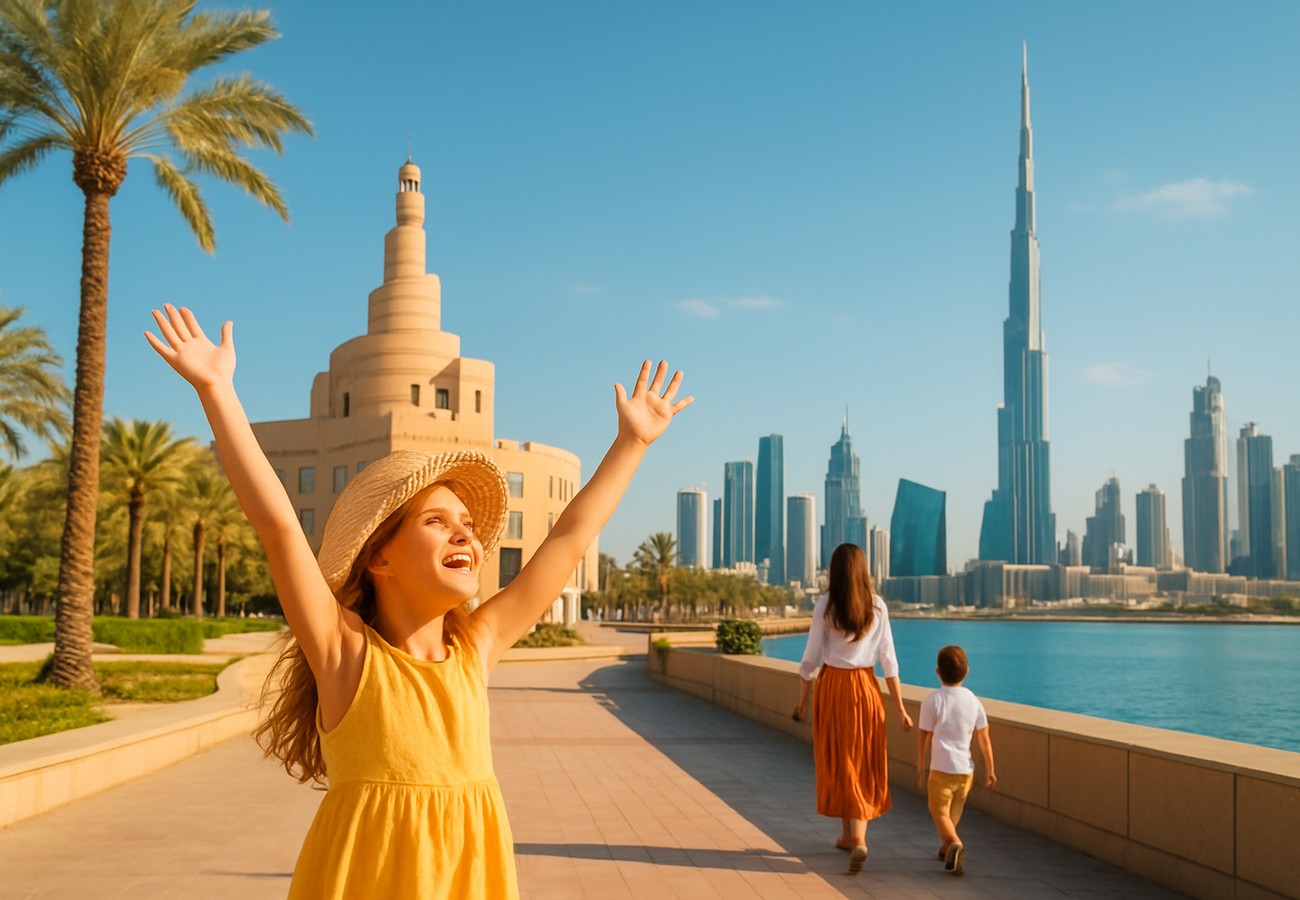
Image generated by AI
Quick Summary
- Regional Coalition: Qatar, Saudi Arabia, UAE, Kuwait, Bahrain, Iraq, and Turkey have aligned to accelerate tourism growth post-ceasefire.
- Qatar’s Lead: Launched the “Hala Summer 2026” campaign (May–Sept) featuring a massive “Kids Go Free” initiative at 100+ hotels.
- UAE Stimulus: Dubai introduced a AED 1 billion tourism support package and implemented “Safe Air Corridors” managing 48 flights per hour.
- Saudi Expansion: Activating mega-projects like NEOM and AlUla with expanded e-visa facilities for Europe and Southeast Asia.
- Connectivity Focus: Iraq is restoring air and land corridors with GCC hubs, while Bahrain and Kuwait boost event-led marketing.
- Pricing Strategy: Turkey has introduced competitive pricing and lowered accommodation rates to capture diverted demand.
- Core Goal: Restore international traveler confidence and stimulate the regional economy through value-rich incentives.
- Source: Regional Tourism Ministry and Civil Aviation Authority reports as of May 7, 2026.
In a historic display of regional alignment, Qatar, Saudi Arabia, the UAE, Kuwait, Bahrain, Iraq, and Turkey have launched a coordinated Middle East tourism revival strategy following the recent ceasefire. Released on May 7, 2026, this unified push features aggressive financial stimulus packages, family-centric “Kids Go Free” campaigns, and the implementation of “Safe Air Corridors” to restore international traveler confidence. From Dubai’s AED 1 billion support package to Qatar’s Hala Summer 2026 initiative, the region is reinventing its value proposition by leveraging cultural storytelling and infrastructure upgrades. As hubs like Doha, Dubai, and Riyadh harmonize their marketing efforts, the Middle East is positioning itself as a secure and value-driven destination, aiming to neutralize geopolitical volatility and accelerate high-cadence tourism growth across the Arabian Peninsula and beyond.
Middle East Post-Ceasefire Tourism Revival: Key National Initiatives (May 2026)
The following table summarizes the strategic measures launched by regional powers to stimulate tourism arrivals.
| Country | Key Initiative | Target Market / Feature | Operational Focus |
|---|---|---|---|
| Qatar | Hala Summer 2026 | Families (Kids Go Free) | 100+ Hotel Partners / QR Wallets |
| UAE (Dubai) | AED 1 Billion Stimulus | Hospitality Sector Support | Fee Deferrals & Rebates |
| UAE (Regional) | Safe Air Corridors | Global Aviation Safety | 48 Flights/Hour Capacity |
| Saudi Arabia | NEOM & AlUla Activation | Luxury & Cultural Travelers | E-Visa Liberalization (EU/Asia) |
| Turkey | Competitive Pricing | Value-Conscious Tourists | Lowered Accommodation Rates |
| Iraq | Corridor Restoration | GCC & Heritage Travelers | Babylon & Ur Infrastructure |
| Bahrain / Kuwait | Cooperative Marketing | Multi-Stop GCC Itineraries | Event Sponsorships & Visa Ease |
Qatar’s Hala Summer 2026: The “Kids Go Free” High-Value Campaign
Qatar is leading the regional recovery with a high-impact family-focused program:
- Incentive Structure: Children under 12 stay, dine, and access theme parks/heritage sites for free when accompanied by a paying adult.
- Digital Integration: The "Visit Qatar Wallet" centralizes QR codes for seamless redemption at participating water parks and cultural tours.
- Duration: The campaign runs from May 1 to September 30, 2026, targeting the peak European and Asian summer holiday seasons.
UAE Financial Stimulus: Dubai’s AED 1 Billion Package and Safe Air Corridors
The United Arab Emirates is focusing on financial stability and aviation safety:
- Liquidity Support: Dubai’s AED 1 billion package provides rebates on government fees and reduced operational costs for hotels.
- Aviation Reliability: "Safe Air Corridors" utilize enhanced air navigation protocols to maintain high-frequency connectivity (48 flights per hour) between Dubai/Abu Dhabi and global hubs.
- Event Extensions: Major shopping and cultural festivals are being extended to signal a return to normal business and leisure operations.
Saudi Arabia’s Strategic Pivot: NEOM, AlUla, and Visa Liberalization
The Kingdom is accelerating its Vision 2030 targets through post-ceasefire repositioning:
- Domestic Stimulation: The "Share-KSA" push encourages Saudi and GCC residents to explore local nature-based and historic attractions.
- Global E-Visa Expansion: Targeted e-visa programs for Southeast Asia and Europe are simplifying access to newly launched destinations.
- Cultural Anchor: High-profile festivals at AlUla (Arts Festival, Winter at Tantora) are being marketed with enhanced experience-led itineraries.
Kuwait and Bahrain: Cooperative Marketing and Event Sponsorships
Smaller Gulf states are harmonizing their efforts with larger regional hubs:
- GCC Synergy: Kuwait is aligning its marketing with Qatar and Saudi Arabia to promote multi-destination "Grand Gulf" itineraries.
- Heritage Focus: Bahrain is sponsoring heritage tours and concerts at the Bahrain Fort to attract youth and family travelers from neighboring states.
- Visa Facilitation: Both nations are streamlining visa processing for travelers holding valid residency or visas from other GCC countries.
Iraq’s Re-opening: Restoring Corridor Connectivity and Heritage Tourism
Iraq is taking significant steps to rehabilitate its tourism ecosystem:
- Network Restoration: Re-establishing land and air corridors with Saudi Arabia, Kuwait, and Turkey to facilitate regional trade and pilgrimage travel.
- Infrastructure Investment: Developing visitor facilities at UNESCO World Heritage sites, including Babylon, the Iraqi Marshes, and Ur.
- Promotional Partnerships: Seeking regional alliances to attract cultural heritage travelers back to the "Cradle of Civilization."
Turkey’s Competitive Response: Discounted Rates and Partnership Incentives
Turkey is utilizing its mature tourism sector to offer immediate value:
- Price Adjustments: Pragmatic lowering of accommodation rates across Istanbul and the Mediterranean coast to counteract demand volatility.
- Bundled Offers: Partnering with carriers to offer "flight + hotel" packages specifically designed for the post-ceasefire market.
- Safe Haven Messaging: Actively promoting the stability of popular regions (Antalya, Cappadocia) relative to the conflict zones.
Regional Synergy: Harmonizing the Middle East Travel Value Proposition
The collective actions of these seven nations indicate a shift toward a "Middle East Unified" strategy:
- Safety Standards: Joint commitment to aviation safety and secure land corridors.
- Value-Driven Growth: From free perks for families to financial support for the private sector, the focus is on affordability and quality.
- Experience-Led Itineraries: Shifting the narrative from "recovery" to "discovery" by showcasing new cultural and mega-projects.
Conclusion: Reinventing the Middle East as a Global Tourism Powerhouse
The May 7, 2026, announcement of a unified regional tourism strategy marks a turning point for the Middle East. By launching massive stimulus packages like Dubai’s AED 1 billion fund and innovative campaigns like Qatar’s “Kids Go Free,” the region is not just returning to pre-conflict levels—it is reinventing its identity for a global audience. The implementation of "Safe Air Corridors" and the liberalization of e-visas reflect a mature, tech-enabled approach to overcoming geopolitical risk. As Doha, Dubai, Riyadh, and Istanbul synchronize their marketing and pricing, the Middle East is successfully positioning itself as the most dynamic, value-rich, and resilient tourism market in the world. For international travelers, these initiatives signal a golden era of access and value, transforming the Arabian Peninsula and its neighbors into a safe and enriching cross-continental bridge.
FAQ: Middle East Tourism Revival May 2026
What is the "Kids Go Free" campaign in Qatar? A summer-long initiative where children under 12 receive free stays, meals, and park access at participating hotels and venues.
How is the UAE ensuring flight safety after the ceasefire? The UAE has implemented "Safe Air Corridors" that use enhanced navigation protocols to manage up to 48 flights per hour safely.
Which new destinations is Saudi Arabia promoting in 2026? Saudi Arabia is focusing on mega-projects like NEOM, AlUla, and the Red Sea Project with new event calendars and e-visa access.
Related Middle East Travel Reports
- Post-Ceasefire Aviation: Navigating the New Safe Air Corridors
- Grand Gulf Itineraries: A Guide to Multi-Stop Travel in 2026
- Qatar Hala Summer 2026: Participating Hotels and QR Wallet Tips
Disclaimer: All financial stimulus data and operational statistics are manually obtained from Regional Tourism Ministries and Civil Aviation Authorities as of May 7, 2026.
Kunal K Choudhary
Co-Founder & Contributor
A passionate traveller and tech enthusiast. Kunal contributes to the vision and growth of Nomad Lawyer, bringing fresh perspectives and driving the community forward.
Learn more about our team →