
Australia Alpine Snow Tourism Reaches Climate Transformation Point
Australia's winter sports and ski resorts adapt to rising temperatures and shorter seasons with snowmaking tech and year-round nature activities.

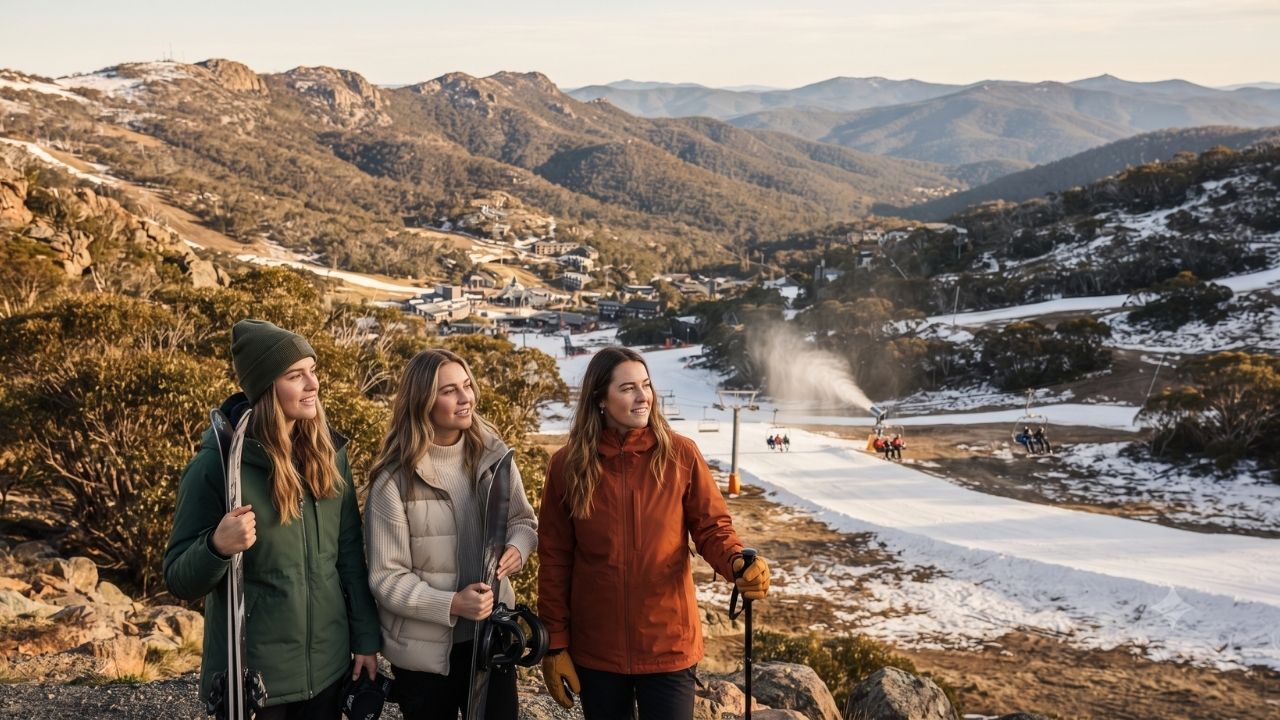
Image generated by AI
Australia's alpine tourism sector has hit a major turning point during the 2026 winter season as record temperatures, rain events, and low snow reliability shorten the ski season.
Historical Winter Disruption in the Australian Alps
The Australian alpine territory covers over 1.6 million hectares across Victoria, New South Wales (NSW), and the Australian Capital Territory (ACT). These highlands are home to fragile sub-alpine ecosystems and regional winter tourism economies that are highly sensitive to temperature fluctuations.
During the 2026 winter season, record-high temperatures and a lack of prolonged cold spells reduced natural snowfall. Many moisture-rich weather systems brought rain to high elevations instead of snow, preventing the formation of deep snowpack.
This shift shortened the operating window for several destinations. Mt Baw Baw Alpine Resort in Victoria and Selena Snow Resort in New South Wales closed winter operations early in late August 2026 due to reduced snow coverage. The early closures highlight the vulnerability of lower-altitude resorts. High-altitude NSW destinations like Thredbo and Perisher continued operations, but also faced challenges managing the variable conditions.
Comparison of Australian Alpine Resorts and 2026 Status
| Alpine Resort / Location | Elevation / Size | 2026 Winter Season Status | Primary Adaptation Strategies | Regional Economic Impact |
|---|---|---|---|---|
| Thredbo Alpine Resort (NSW) | High Altitude | Continued operations with challenges | Heavy snowmaking system deployment, year-round hiking/cycling | Sustained winter resort traffic |
| Perisher Ski Resort (NSW) | High Altitude | Continued operations with challenges | Large-scale artificial snow coverage, terrain variety | Protected seasonal hospitality jobs |
| Mt Baw Baw Alpine Resort (VIC) | Lower Altitude | Early closure in late August 2026 | Year-round nature tourism, green season hiking | Compressed local retail and accommodation revenue |
| Selena Snow Resort (NSW) | Lower Altitude | Early closure in late August 2026 | Diversification into outdoor summer recreation | Reduced local hiring window |
The Technological Defense: Snowmaking Adaptations
Ski resorts are increasing investment in advanced snowmaking technology to offset the decline in natural snowfall. By producing artificial snow during cold windows, operators can maintain ski trails, protect runs, and extend opening periods.
However, snowmaking is physically limited by temperature and humidity. During warm winter spells, even advanced snowmaking systems cannot operate efficiently. The 2026 season highlighted that while technology is a vital tool, it is increasingly constrained by long-term warming trends, which are distinct from short-term weather patterns like the dry El Niño cycle that affected eastern Australia.
Transition to a Year-Round Nature Tourism Model
Shorter snow seasons create financial challenges for regional communities that rely on winter tourism, including local hotels, restaurants, ski rental shops, and transport operators. To build economic resilience, alpine resorts are transitioning into year-round nature tourism destinations.
Resorts are developing green-season offerings such as mountain biking trails, guided alpine hiking, wildlife observation, and nature education. By partnering with regional conservation bodies like the Kosciuszko National Park management, alpine resorts can protect regional heritage and support local employment throughout the year, reducing reliance on winter snow alone.
Destination Specialist Local Insider Tips
To help travelers navigate the changing Australian alpine scene, local travel specialists recommend the following insider tips:
- Plan Visits During Peak July Windows: Natural snow coverage is historically most stable in mid-to-late July. Avoid booking late August or early September trips unless cold spells are forecast.
- Check Live Snow Cams Daily: Before driving to lower-altitude resorts like Mt Baw Baw, check resort webcams and snow reports for real-time slope conditions.
- Invest in All-Weather Mountain Gear: As winter systems increasingly bring rain instead of dry snow, high-quality waterproof shells are essential for comfort.
- Explore Year-Round Trails: If snow conditions prevent skiing, take advantage of guided walks, downhill mountain biking, and flora spotting in Kosciuszko National Park.
- Support Regional Businesses Directly: Buy ski passes, rent gear, and dine at locally-owned establishments in Jindabyne or Mansfield to support communities affected by shorter seasons.
Future Outlook
The long-term future of Australia's alpine travel industry depends on proactive climate adaptation. Through investments in energy-efficient snowmaking, year-round tourism infrastructure, and regional conservation partnerships, alpine destinations can protect their natural assets and continue welcoming visitors across all seasons.
Related Travel Guides
Disclaimer
This article is for informational and educational purposes only. It does not constitute legal, financial, or professional advice. While we strive to provide accurate and up-to-date information, travel policies, regulations, and conditions change rapidly. Always verify information with official sources before making travel decisions. Nomad Lawyer makes no representations about the accuracy, reliability, completeness, or suitability of the information provided. Readers should consult qualified professionals for advice specific to their circumstances. The views expressed in this article are those of the author and do not necessarily reflect the views of Nomad Lawyer.
Preeti Gunjan
Contributor & Community Manager
A passionate traveller and community builder. Preeti helps grow the Nomad Lawyer community, fostering engagement and bringing the reader experience to life.
Learn more about our team →