
ATTA and Expedition Cruise Network Partner to Advance Responsible Tourism and Expedition Travel 2026
The Adventure Travel Trade Association and Expedition Cruise Network announce a strategic partnership to advance responsible tourism and strengthen expedition travel.

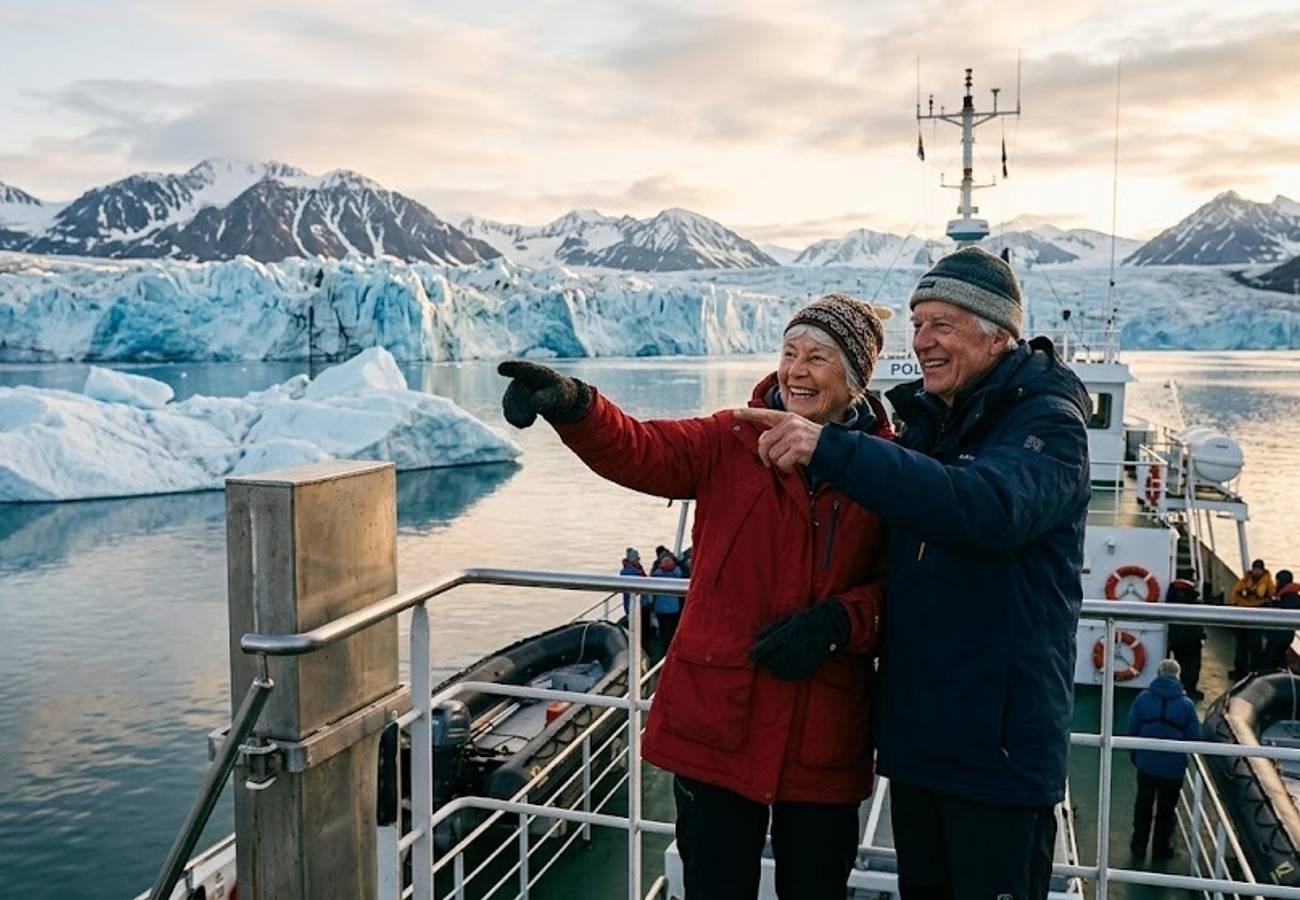
Image generated by AI
With adventure tourism projected to exceed US$2 trillion in the early years of the next decade, the Adventure Travel Trade Association (ATTA) and Expedition Cruise Network (ECN) have formalized a strategic partnership to ensure this rapid expansion is managed responsibly.
Strategic Alliance for Remote Transit
The global adventure tourism and expedition cruise industries are entering a new phase of collaboration. The Adventure Travel Trade Association (ATTA) and the Expedition Cruise Network (ECN) have announced a strategic partnership designed to encourage responsible tourism, improve industry cooperation, and create new opportunities for businesses operating across both sectors.
This agreement arrives as demand for authentic, nature-focused, and experience-led holidays accelerates worldwide. Travellers are increasingly choosing smaller, immersive journeys that prioritise wildlife, culture, sustainability, and meaningful engagement with destinations rather than conventional sightseeing. By combining their expertise, ATTA and ECN aim to ensure that this growth is managed responsibly while delivering long-term benefits for travellers, tourism businesses, and host communities.
Adventure travel and expedition cruising have emerged as two of the fastest-growing segments within the global tourism industry. While adventure travel has expanded well beyond traditional trekking and mountaineering into wildlife encounters and conservation-led experiences, expedition cruising has evolved into a sophisticated form of exploration using smaller vessels capable of reaching remote destinations inaccessible to larger cruise ships.
Expedition Cruise Market Momentum
The timing of the partnership reflects strong global growth forecasts across both industries. Recent market research projects that adventure tourism will continue expanding at double-digit annual growth rates, with the sector expected to exceed US$2 trillion (£1.5 trillion) in value during the early years of the next decade.
The partnership announcement is supported by encouraging industry data released by ECN. According to the Expedition Cruise Network’s 2025–2026 Insights Report, approximately three-quarters of its travel advisor members expect expedition cruise bookings to increase by at least 10 per cent. Many advisors have already reported rising customer demand, particularly for polar expedition voyages, where travellers continue to seek once-in-a-lifetime experiences centred on wildlife, glaciers, and scientific exploration.
The report highlights growing consumer confidence in expedition travel despite wider economic uncertainty affecting parts of the global tourism market. The sustained increase in bookings has encouraged expedition cruise operators to expand itineraries, introduce new vessels, and develop more specialised experiences tailored to environmentally conscious travellers.
Key Expedition Route Profiles
Expedition cruising relies on specialized transit corridors to reach remote regions. The partnership highlights several core destinations that require complex logistical coordination.
| Destination Region | Primary Expedition Focus | Typical Vessel Type |
|---|---|---|
| Antarctica | Wildlife, glaciers, scientific exploration | Ice-class expedition ships |
| The Arctic | Polar exploration, remote communities | Ice-strengthened vessels |
| Greenland | Fjords, Inuit culture, geological formations | Small expedition cruise ships |
| Iceland | Volcanic landscapes, geothermal activity | Compact expedition vessels |
| Galápagos Islands | Endemic wildlife, marine exploration | Boutique expedition yachts |
| Alaska | Glaciers, national parks, coastal wildlife | Small to mid-size expedition ships |
Traveler Logistics Guide
From a ground-level perspective, the best way to navigate expedition cruise connections is to build significant buffer time into your transit schedule. Remote expedition departures are highly sensitive to weather and aviation delays.
When booking connections to polar gateway cities like Ushuaia (Argentina) for Antarctica or Reykjavik (Iceland) for Arctic voyages, a minimum 48-hour layover is strongly recommended. This buffer ensures that delayed international flights do not result in missing your vessel's departure, as expedition ships operate on strict schedules dictated by environmental conditions and permitting.
For European Arctic gateways such as Iceland and Greenland, travellers must account for the upcoming European Travel Information and Authorisation System (ETIAS). Securing this digital travel authorization well in advance of your transit is mandatory for visa-exempt nationals. Similarly, departures to the Galápagos Islands require transit through Ecuador, necessitating precise coordination with national park entry fees and transit control cards issued at Quito or Guayaquil airports.
Baggage logistics present another challenge. Expedition travel often requires specialized gear, from heavy-duty waterproof boots to layered thermal wear. Confirm weight allowances with both your international carrier and the domestic charter flights that service remote port authorities. Charter operators serving ports like Ushuaia often enforce strict weight limits that differ significantly from international airline standards.
Infrastructure Impact Assessment
The partnership between ATTA and ECN will significantly influence regional connectivity and tourism infrastructure. As visitor numbers increase across environmentally sensitive destinations, industry leaders recognise that sustainable growth requires stronger standards, greater accountability, and continuous education.
ATTA has long promoted responsible tourism practices throughout the global adventure travel sector and strengthened that commitment through the introduction of its Membership Sustainability Commitment in 2024. Working alongside ECN, the organisation plans to share practical guidance, case studies, and industry standards that members can adapt within their own operations.
For remote port authorities and local communities, this coordinated approach means better preparation for vessel arrivals. Smaller expedition ships place different demands on port infrastructure compared to conventional cruise liners. They require specialized provisioning, advanced waste management protocols, and coordinated biosecurity measures to protect isolated ecosystems. The collaboration between ATTA and ECN is expected to encourage tourism businesses to adopt more sustainable operating practices while supporting destination protection, environmental conservation, and stronger relationships with local communities.
Industry Leadership and Knowledge Sharing
A central objective of the new partnership is knowledge sharing. Both organisations have committed to exchanging research, industry intelligence, and professional expertise to strengthen decision-making across their respective memberships.
Expedition Cruise Network CEO and co-founder Akvile Marozaite described the partnership as a natural progression for both organisations. She explained that expedition cruising has always formed part of the wider adventure travel sector and said the agreement reflects a shared commitment to education, collaboration, and responsible industry development. Marozaite noted that one of ECN’s ambitions is to showcase expedition cruising as an essential component of the broader global adventure travel ecosystem while introducing members to new destinations, partnerships, and experiences.
Adventure Travel Trade Association CEO Shannon Stowell also welcomed the agreement, highlighting ECN’s commitment to responsibility within expedition cruising as a key factor behind the collaboration. Drawing on his recent experience aboard a small expedition vessel, Stowell emphasized the importance of aligning the cruise sector with the broader adventure travel community to elevate industry standards.
The exchange of operational knowledge is expected to encourage innovation while improving the quality and diversity of adventure tourism products available to international travellers. For ECN members, the collaboration opens access to ATTA’s extensive international network of adventure travel professionals whose products and services complement expedition cruising. These new connections are expected to help expedition cruise specialists build stronger itineraries, establish commercial partnerships, and create more diverse travel experiences before and after cruises.
Strategic coordination between adventure operators and expedition lines sets a new baseline for remote travel logistics and environmental accountability.
Related Travel Guides
Disclaimer
This article is for informational and educational purposes only. It does not constitute legal, financial, or professional advice. While we strive to provide accurate and up-to-date information, travel policies, regulations, and conditions change rapidly. Always verify information with official sources before making travel decisions. Nomad Lawyer makes no representations about the accuracy, reliability, completeness, or suitability of the information provided. Readers should consult qualified professionals for advice specific to their circumstances. The views expressed in this article are those of the author and do not necessarily reflect the views of Nomad Lawyer.
Kunal K Choudhary
Co-Founder & Contributor
A passionate traveller and tech enthusiast. Kunal contributes to the vision and growth of Nomad Lawyer, bringing fresh perspectives and driving the community forward.
Learn more about our team →