Asia’s Adults-Only Hotels Expand As Falling Birth Rates Reshape Luxury Travel And Resort Design

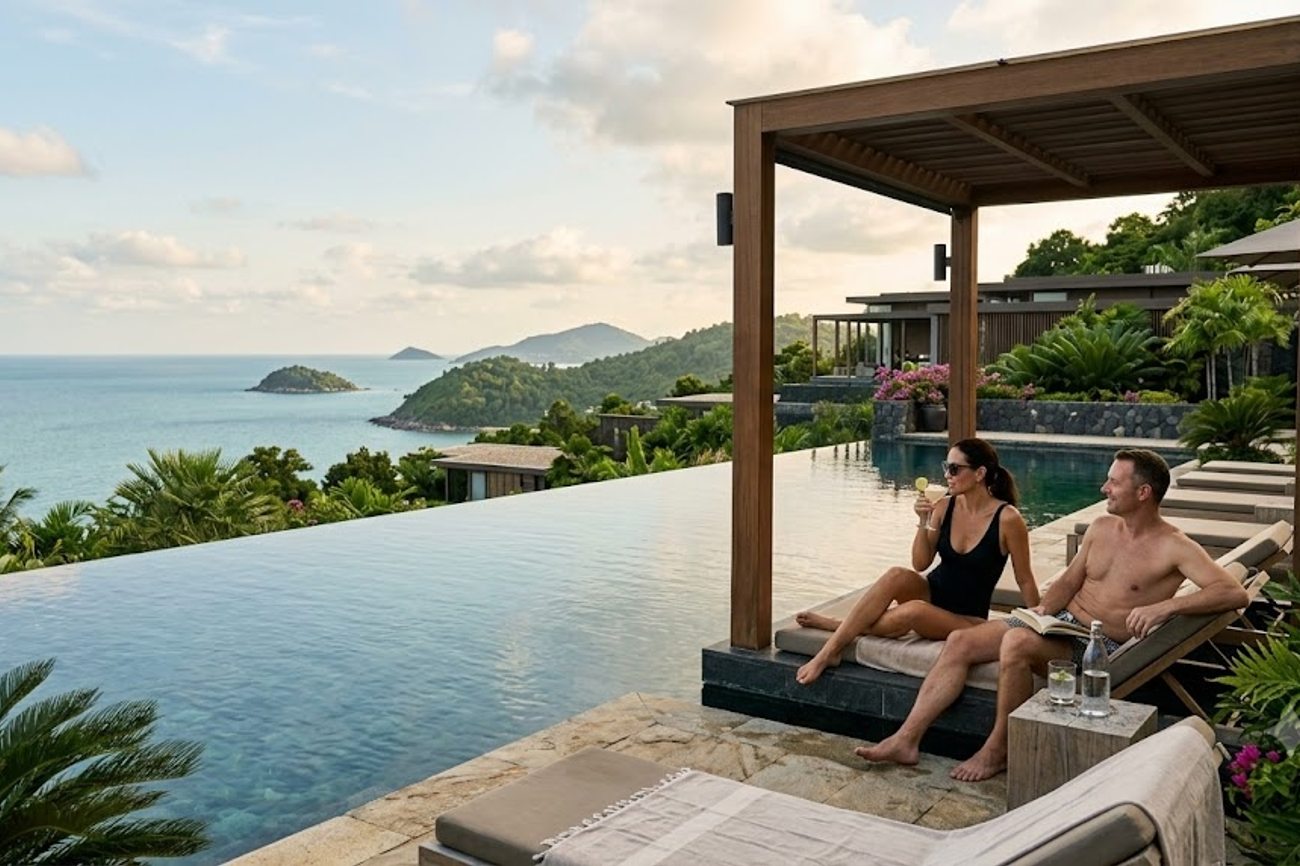
Image generated by AI
[Singapore, October 2024] — Asia-Pacific hospitality operators are aggressively pivoting toward adults-only luxury models to capture a growing market of child-free travelers and aging demographics. This strategic shift is manifesting in a surge of secluded villa developments and specialized wellness retreats designed to prioritize silence, privacy, and high-spend leisure over traditional family-centric amenities.
The movement is driven by a confluence of declining birth rates in developed Asian economies and a rising consumer appetite for "slow travel." Tourism developers in key hubs are now diversifying their portfolios to include properties that explicitly exclude children, targeting couples, honeymooners, and solo professionals. This is not a wholesale replacement of the family market but a calculated diversification aimed at increasing revenue per occupied room through premium pricing and specialized services.
Demographic Shifts Triggering the Pivot
The catalyst for this industry realignment is rooted in the stark demographic transformations occurring across the region. Countries such as Japan, South Korea, and Singapore are reporting significantly lower fertility rates, leading to an increase in households without children and an aging population with higher disposable income.
These shifting population profiles have forced the Singapore Tourism Board and similar regional bodies to recognize a new class of traveler: the adult seeker. These guests typically prioritize flexible itineraries, high-end culinary experiences, and environments free from the noise and activity associated with family tourism. While multigenerational travel remains a staple of Asian culture, the demand for "sanctuary" spaces has created a commercial vacuum that luxury developers are now filling.
The transition is most evident in the design of new builds. Rather than large, communal activity centers, new luxury projects are focusing on fragmented, private spaces. The objective is to move away from the "mega-resort" feel and toward intimate, boutique environments where the guest experience is curated for maturity and tranquility.
Markets and Assets Under Transformation
The impact of this trend is not uniform across the region but is concentrated in high-value luxury segments and specific geographic corridors.
| Impact Area | Primary Focus | Key Asset Shift |
|---|---|---|
| Developed Hubs | Japan, South Korea, Singapore | Shift toward "urban sanctuaries" and high-end solo retreats. |
| Southeast Asia | Thailand, Indonesia, Vietnam | Expansion of overwater villas and secluded beach estates. |
| Wellness Sector | Regional Spas & Retreats | Integration of yoga, meditation, and medical-adjacent wellness. |
| Heritage Sites | Remote Cultural Properties | Conversion of historic estates into quiet, adult-only boutiques. |
The shift is particularly pronounced in the architectural requirements of these properties. Developers are prioritizing "secluded accommodation," which includes overwater bungalows and private villas with independent swimming pools. These features are designed to maximize the sense of personal space, which is a primary driver for the romantic and honeymoon markets.
Practical Traveler Advisory and Strategic Insights
For the modern traveler, this trend translates to a clear bifurcation of the luxury market. Booking a high-end resort in Asia no longer guarantees a "general" luxury experience; guests must now distinguish between family-friendly luxury and adults-only exclusivity.
Direct Passenger and Guest Impacts:
- Price Premiums: Travelers should expect higher baseline costs. Industry data indicates that lifestyle-focused hotels in the Asia-Pacific region are commanding price premiums of approximately 10% to 11% over standard luxury offerings.
- Enhanced Privacy: Guests at these properties will find a significant reduction in noise pollution and a higher ratio of staff-to-guest, as these resorts prioritize personalized, high-touch service.
- Curated Dining: Expect a shift toward "premium dining concepts." Rather than large buffets, these resorts are implementing tasting menus and specialized culinary experiences that cater to adult palates.
- Wellness Integration: The "slow travel" movement means more properties are integrating nature-based activities and mental restoration programs, moving beyond simple massage services to comprehensive wellness journeys.
Travelers seeking these experiences should verify the specific "adults-only" policy of a property, as some resorts offer "adults-only zones" rather than being entirely child-free.
The Economics of Quiet Luxury
From a commercial standpoint, the move toward adults-only models is a play for higher margins. The World Tourism Organization (UNWTO) has long tracked the rise of niche tourism, and the Asia-Pacific region is now applying this to the luxury hospitality sector.
The financial logic is based on the "lifestyle hotel" concept. By targeting a specific demographic, operators can drive higher food and beverage (F&B) revenue per occupied room. Adults without children are statistically more likely to spend on premium wines, specialty cocktails, and high-end spa treatments—revenue streams that are often lower in family-oriented properties.
Asia's adults-only hotels are experiencing a surge in popularity as falling birth rates reshape luxury travel and resort design, with many properties catering to the growing demand for child-free getaways. According to the World Tourism Organization (UNWTO), this shift in travel preferences is driven by changing demographics and an increasing desire for tranquility and relaxation. As a result, hotels are adapting their amenities and services to meet the needs of this emerging market.
However, this model requires significant upfront capital. The construction of private villas and the maintenance of secluded pools involve substantially higher costs than traditional hotel room blocks. The commercial sustainability of these projects depends on the operator's ability to maintain high occupancy rates during off-peak seasons and justify the 10-11% price premium through exceptional service delivery.
Future Outlook for Asia-Pacific Hospitality
The next phase of this evolution will likely see a deeper integration of "heritage retreats." Operators are beginning to eye remote, culturally significant properties that can be converted into exclusive adult hideaways. This allows brands to leverage the "destination identity" of a location while maintaining the strict quietude required by their target market.
Furthermore, the intersection of wellness and luxury is expected to intensify. We are seeing a move toward "medical-adjacent" wellness, where resorts offer health-focused holidays that include nutritional guidance and mental health retreats. As long as these are marketed as hospitality experiences rather than professional medical care, they represent a massive growth opportunity.
As the region continues to age and the "solo traveler" demographic grows, the definition of luxury in Asia is shifting from "opulence and scale" to "silence and space."
FAQ: Asia-Pacific Adults-Only Resorts 2024
Are adults-only resorts more expensive than family resorts? Yes. Due to specialized amenities and a focus on the lifestyle segment, these properties often carry a price premium of 10% to 11% compared to standard luxury hotels in the Asia-Pacific region.
Which countries are leading this trend? The trend is strongest in developed economies with declining birth rates, such as Japan, South Korea, and Singapore, as well as luxury beach destinations in Southeast Asia like Thailand and Indonesia.
What specific amenities define these resorts? Key features include private villas, secluded swimming pools, adult-focused lounges, premium dining concepts, and extensive wellness facilities such as spas and yoga studios.
Is this trend replacing family-friendly hotels? No. This is a diversification strategy. Operators are adding adults-only properties to their portfolios to capture different market segments rather than eliminating family-centric options.
The era of the loud luxury resort is fading; the age of the silent sanctuary has arrived.
Related Travel Guides
- Hunaaan Bengaluru Celebrates 19 Years Of Pan Asian Excellence With A Special Mid Autumn Festival Feast Filled With Authentic Flavours
- Jaipur Luxury Tourism Gets Major Boost As Fine Acers’ Wyndham Grand Resort Becomes India’s First RERA Registered Resort
- IHG Hotels & Resorts Joins Rugby World Cup 2027 As Official Hotel Partner For Global Fan Experiences
This article is for informational purposes. Flight routes, passenger regulations, visa rules, and transit advisories are subject to change by airlines and aviation authorities. Readers are advised to verify schedules and travel documentation with relevant carriers and border agencies before departure.
Related Stories
Preferred Hotels & Resorts Accelerates Middle East Expansion: Çağlar Göncüler Appointed to Steer UAE and Egypt Luxury Sales