Japan Winter Travel Highlights the Importance of Flexible Holiday Bookings Across Asia

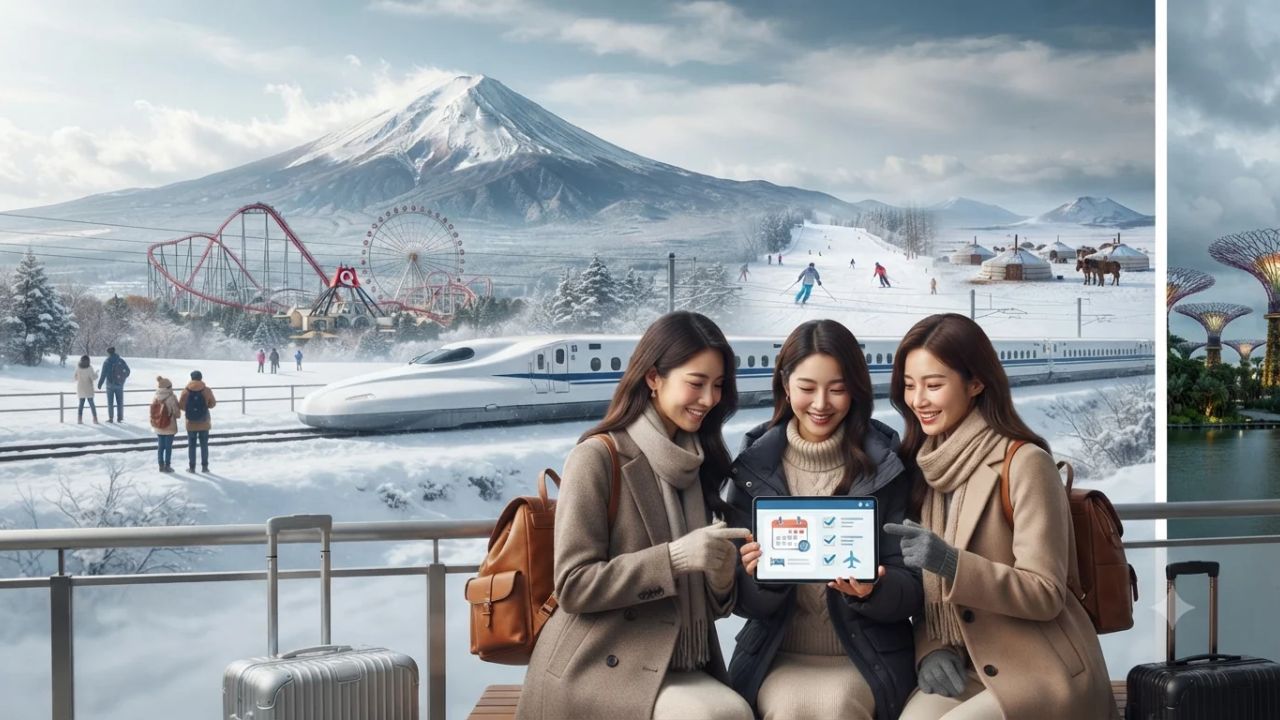
A series of operational adjustments across Japan, South Korea, China, Mongolia, and Singapore has spotlighted the financial vulnerabilities of rigid holiday bookings, demonstrating why travellers and tour operators must scrutinize cancellation policies, unbundle travel components, and prioritize booking flexibility ahead of the 2026–2027 winter season.
Winter tourism across Asia encompasses an extraordinarily diverse spectrum of holiday formats, ranging from sub-zero powder skiing in Hokkaido and Gangwon-do to remote overland expeditions across the Mongolian steppe and tropical monsoon city breaks in Singapore. While international demand for Asian winter getaways has reached historic post-pandemic heights, the logistical complexity of assembling multi-destination itineraries has introduced significant financial exposure for consumers and travel enterprises alike.
The primary commercial vulnerability confronting travelers is not a centralized regional regulatory shift, but rather the operational fragmentation inherent in international travel. Individual components of a single vacation—international airfares, domestic bullet trains, mountain ski lodges, equipment rentals, and prepaid theme park admissions—are managed by independent suppliers operating under mutually contradictory cancellation conditions. When severe winter weather, operational pricing glitches, or regional transit bottlenecks arise, the cancellation terms of one supplier do not obligate others to offer refunds, leaving holidaymakers to absorb substantial financial losses.
       ASIAN WINTER TRAVEL BOOKING RISK LANDSCAPE (2026–2027)
┌──────────────────┬─────────────────────────────┬──────────────────────────┐
│ Destination      │ Primary Winter Factor       │ Key Booking Vulnerability│
├──────────────────┼─────────────────────────────┼──────────────────────────┤
│ Japan            │ Theme park ticketing errors │ Strict no-refund defaults│
│                  │ & Shinkansen credit holds   │ & mid-day hotel cutoffs  │
├──────────────────┼─────────────────────────────┼──────────────────────────┤
│ South Korea      │ Early-season ski schedules  │ Unbundled lift & lodging │
│                  │ dependent on snowmaking     │ non-refundable contracts │
├──────────────────┼─────────────────────────────┼──────────────────────────┤
│ China            │ Severe highway weather alerts│ Graduated railway 12306 │
│                  │ & regional snowstorms       │ cancellation penalty fees│
├──────────────────┼─────────────────────────────┼──────────────────────────┤
│ Mongolia         │ Arctic cold waves & regional│ Restrictive airline fares│
│                  │ aviation fuel shortages     │ & remote lodge deposits  │
├──────────────────┼─────────────────────────────┼──────────────────────────┤
│ Singapore        │ Northeast Monsoon downpours │ Outdoor attraction stops │
│                  │ & airline fare restrictions │ & non-refundable flights │
└──────────────────┴─────────────────────────────┴──────────────────────────┘
Japan: Attraction Pricing Errors and Transport Payment Mechanics
Japan serves as a primary case study illustrating how unforeseen operational anomalies can disrupt prepaid holiday itineraries, contrasting routine booking restrictions with exceptional corrective procedures.
The Fuji-Q Highland Anomaly
On 23 November 2026, the management of Fuji-Q Highland, one of Japan's premier amusement parks situated near Mount Fuji, issued an official notice acknowledging an online ticketing pricing error affecting scheduled visits on 25 and 26 November 2026. The administrative mistake impacted five separate online ticket products spanning five visitor age brackets.
The operator instituted an extraordinary refund mechanism, communicating directly with affected customers via email to gather booking reference codes and initiate electronic refunds back to original payment methods. In addition, park administrators stationed specialized staff at on-site guest counters to assist foreign tourists who arrived without completing the digital cancellation process.
This incident carries major implications for international visitors. Under standard Fuji-Q Highland ticketing conditions, day passes, express passes, and dated admissions are strictly non-refundable and non-transferable once purchased. Had this operational error occurred on the customer’s side—such as an accidental double booking or a flight delay preventing attendance—the default policy would have enforced total forfeiture of funds.
               JAPAN ATTRACTION BOOKING CONTRAST
 ┌────────────────────────────────────────────────────────────────────────┐
 │ STANDARD COMMERCIAL OPERATING RULES                                    │
 │ Day passes & event tickets strictly non-refundable upon payment        │
 │ Total forfeiture of funds if customer misses scheduled date            │
 └──────────────────────────────────┬─────────────────────────────────────┘
                                    │
                                    ▼
 ┌────────────────────────────────────────────────────────────────────────┐
 │ EXCEPTIONAL CORRECTIVE REMEDY (FUJI-Q NOVEMBER 2026)                   │
 │ Operator-initiated refund procedure for mispriced online inventory     │
 │ Validates requirement for accessible customer email on the ground      │
 └────────────────────────────────────────────────────────────────────────┘
Accommodation Policies: The Mid-Day Cutoff
The variance in hotel cancellation flexibility is equally pronounced. Major Japanese business hotel chains, such as Toyoko Inn, offer relatively generous cancellation windows for individual reservations booked directly through official portals. Eligible individual guests can cancel reservations without financial penalty until 12:00 PM (noon) local time on the scheduled day of arrival. However, cancellations made after noon, or failures to check in, incur a 100 percent accommodation penalty.
For international travelers traveling via connecting long-haul flights, an inbound flight delay across the Pacific or Europe can easily cause the passenger to cross the noon threshold while in transit, triggering full forfeiture before they even land in Tokyo or Osaka.
High-Speed Rail Payment Mechanics via smartEX
Japan’s bullet train network presents a subtle financial consideration. The official smartEX reservation platform, which allows foreign travelers to purchase Tokaido, Sanyo, and Kyushu Shinkansen tickets, permits free or low-cost itinerary modifications prior to train departure, subject to seat availability and ticket collection status.
However, the payment architecture operates on a reauthorization model. Modifying a high-speed train reservation triggers an immediate, full charge for the replacement itinerary on the user's credit card, followed by a separate, asynchronous refund of the original ticket price. For international visitors carrying cards with strict daily limits or paying foreign transaction fees (typically 1.5 to 3 percent per swipe), multiple schedule changes can temporarily exhaust available credit limits and incur unrecoverable currency conversion losses.
South Korea: Early-Season Ski Resort Timetables and Package Exposure
South Korea enters the 2026–2027 winter season with an expansive ski and winter sports sector focused heavily on the mountainous Gangwon-do province.
On 24 November 2026, the Korea Tourism Organization (KTO) released its comprehensive operational guide for twelve major ski resorts, announcing staggered opening targets spanning late November through mid-December.
| South Korean Ski Resort | Target Opening Date | Scheduled Closing Date | Primary Winter Tourism Profile |
|---|---|---|---|
| O2 Ski Resort | 21 November 2026 | Pending | High-altitude Taebaek terrain, early opening |
| Mona YongPyong | 22 November 2026 | Pending | Olympic alpine slopes, extensive family facilities |
| Phoenix Snow Park | 26 November 2026 | Pending | Freestyle terrain park, high-capacity gondolas |
| High1 Ski Resort | 27 November 2026 | 21 March 2027 | High-elevation powder, premier mountain casino |
| Vivaldi Park Ski World | 27 November 2026 | Pending | Hongcheon night skiing, close proximity to Seoul |
| Deogyusan Ski Resort | 27 November 2026 | Pending | National park scenery, traditional alpine architecture |
| Alpensia Ski Resort | 28 November 2026 | Pending | Olympic ski jump stadium, pedestrian village layout |
| Welli Hilli Park | 5 December 2026 | Pending | Halfpipe snowboarding, recreational family skiing |
| Oak Valley Snow Park | 11 December 2026 | 20 February 2027 | Oak-forested beginner trails, family golf resort |
| Konjiam Ski Resort | Mid-December 2026 | Pending | Gyeonggi-do luxury day resort, crowd-control limits |
| Elysian Gangchon | Pending | Pending | Direct subway connectivity from Seoul |
| Jisan Forest Ski Resort | Pending | Pending | Convenient suburban day-tripping for beginners |
The Operational Risk of Early-Season Bookings
A published opening date represents a commercial intention rather than an absolute guarantee of complete mountain access. High-temperature anomalies, inadequate sub-zero night windows, or delayed artificial snowmaking frequently restrict early-season operations to one or two beginner slopes serviced by a single lift.
       SKI PACKAGE CONTRACTUAL FRAGMENTATION RISK
 ┌────────────────────────────────────────────────────────────────────────┐
 │ RESORT HOTEL RESERVATION                                               │
 │ 14-day advance cancellation deadline; 100% penalty for late changes    │
 └──────────────────────────────────┬─────────────────────────────────────┘
                                    │ (Separate Contracts)
                  ┌─────────────────┴─────────────────┐
                  ▼                                   ▼
 ┌──────────────────────────────────┐ ┌───────────────────────────────────┐
 │ LIFT PASS & GEAR RENTAL          │ │ PRIVATE SKI INSTRUCTION           │
 │ Non-refundable within 48 hours;  │ │ 72-hour cancellation cutoff;      │
 │ valid only if resort operates    │ │ deposit forfeited on no-show      │
 └──────────────────────────────────┘ └───────────────────────────────────┘
Travelers purchasing bundled packages through third-party agents frequently discover that their contracts are legally compartmentalized:
- The resort hotel contract may remain completely enforceable even if slopes are closed.
- Equipment rental vendors may refuse refunds if the rental facility remains physically open.
- Private ski instructor bookings often carry strict 72-hour cancellation windows.
To mitigate this exposure, specialized tour operators are developing hybrid winter itineraries that pair ski reservations with non-snow alternatives, such as indoor water parks (like Ocean World at Vivaldi Park), traditional Korean jjimjilbang spas, and cultural temple tours.
China: Road Weather Advisories and Railway 12306 Refund Economics
Managing winter travel across Mainland China requires monitoring dramatic regional climate variations spanning thousands of kilometers.
On 26 November 2026, the Chinese Ministry of Culture and Tourism, in conjunction with the China Meteorological Administration (CMA) and the Ministry of Transport, issued an urgent nationwide road weather advisory. The alert warned of severe snow, freezing rain, sleet, and dense fog across vital transit corridors in Inner Mongolia, Heilongjiang, Jilin, Qinghai, and Gansu, affecting segments of national expressways.
While road closures are deployed dynamically by provincial traffic police, passenger rail travel offers a transparent, regulated benchmark for cancellation economics.
       CHINA RAILWAY 12306 GRADUATED REFUND PENALTY STRUCTURE
 ┌────────────────────────────────────────────────────────────────────────┐
 │ 8 OR MORE DAYS BEFORE DEPARTURE: 0% Penalty (100% Full Refund)         │
 └──────────────────────────────────┬─────────────────────────────────────┘
                                    │
                                    ▼
 ┌────────────────────────────────────────────────────────────────────────┐
 │ 48 HOURS TO 7 DAYS BEFORE DEPARTURE: 5% Standard Deduction             │
 └──────────────────────────────────┬─────────────────────────────────────┘
                                    │
                                    ▼
 ┌────────────────────────────────────────────────────────────────────────┐
 │ 24 TO 48 HOURS BEFORE DEPARTURE: 10% Standard Deduction                │
 └──────────────────────────────────┬─────────────────────────────────────┘
                                    │
                                    ▼
 ┌────────────────────────────────────────────────────────────────────────┐
 │ LESS THAN 24 HOURS BEFORE DEPARTURE: 20% Standard Deduction            │
 └────────────────────────────────────────────────────────────────────────┘
The Financial Calculus of Railway 12306 Cancellations
China State Railway Group's official digital platform, China Railway 12306, publishes a structured, graduated refund fee schedule for voluntary ticket cancellations. The penalty increases sharply as the departure time approaches:
| Cancellation Window Relative to Departure | Applicable Administrative Deduction | Illustrative Cost on CNY 1,000 Booking | Net Refund Amount Returned |
|---|---|---|---|
| 8 days or more prior to departure | 0% (Zero deduction) | CNY 0 | CNY 1,000 (Full Refund) |
| Between 48 hours and 7 days prior | 5% deduction | CNY 50 | CNY 950 |
| Between 24 hours and 48 hours prior | 10% deduction | CNY 100 | CNY 900 |
| Less than 24 hours prior to departure | 20% deduction | CNY 200 | CNY 800 |
Note: Data sourced from China Railway 12306 official operating rules. Figures illustrate proportional cost dynamics based on an aggregate ticket portfolio.
This structure demonstrates the financial importance of early decision-making. When severe winter weather advisories are issued for northern destinations like Harbin or Changbaishan, waiting until the final morning to cancel rail transit doubles the administrative deduction compared to acting 48 hours in advance, while canceling a week ahead preserves 100 percent of the invested capital.
Mongolia: Arctic Realities, Seasonal Outlooks, and Aviation Fuel Vulnerability
Mongolia offers adventurous travelers unique winter experiences, including horse riding across frozen valleys, dog sledding, and nomadic winter homestays. However, the operational margin for error in Mongolia is narrower than in heavily urbanized Asian destinations.
Seasonal Meteorological Severity
The seasonal outlook published by the Government of Mongolia on 5 November 2026 warned of colder-than-average temperatures throughout December across central and eastern aimags (provinces), accompanied by above-average snowfall. Winter temperatures routinely fall between minus 25 and minus 40 degrees Celsius, conditions under which mechanical vehicle failures can turn into life-threatening emergencies.
                  MONGOLIAN WINTER EXPEDITION RISKS
 ┌────────────────────────────────────────────────────────────────────────┐
 │ ARCTIC TEMPERATURE EXTREMES                                            │
 │ Sub-zero conditions (-25°C to -40°C) across central & eastern aimags   │
 └──────────────────────────────────┬─────────────────────────────────────┘
                                    │
                                    ▼
 ┌────────────────────────────────────────────────────────────────────────┐
 │ REGIONAL AVIATION & ROAD FUEL CONSTRAINTS                              │
 │ Fuel shortages flagged by international advisories (Australia / UK)    │
 └──────────────────────────────────┬─────────────────────────────────────┘
                                    │
                                    ▼
 ┌────────────────────────────────────────────────────────────────────────┐
 │ RESTRICTIVE AIRLINE REBOOKING POLICIES                                 │
 │ Discounted domestic & regional airfares strictly non-refundable        │
 └────────────────────────────────────────────────────────────────────────┘
Infrastructure and Fuel Constraints
Compounding the climatic severity, official government travel advisories issued by both the Australian Department of Foreign Affairs and Trade (Smartraveller) and the United Kingdom Foreign, Commonwealth and Development Office (FCDO) current as of 26 November 2026 highlight localized fuel supply shortages in Mongolia. These shortages periodically disrupt domestic aviation schedules, regional bus routes, and private four-wheel-drive fuel supplies with little advance notice.
Airline Fare Restrictions: MIAT Mongolian Airlines
National carrier MIAT Mongolian Airlines enforces distinct tariff structures. While fully flexible business and premium economy tickets permit changes, highly discounted promotional fares carry strict restrictions prohibiting voluntary cancellations or route modifications entirely.
For tour operators assembling remote winter excursions to Lake Khövsgöl or the Gobi Desert, booking a refundable hotel in downtown Ulaanbaatar provides no protection if regional transport cannot secure aviation fuel or if local winter ger camps must close due to blizzard-damaged generators. Operators must verify end-to-end heated accommodation and secure supply chains before accepting non-refundable client commitments.
Singapore: Monsoon Realities and Urban Attraction Adaptations
In contrast to the frozen landscapes of Northeast Asia, Singapore represents a warm-weather holiday destination. However, the island state experiences its own distinct winter weather pattern driven by the Northeast Monsoon.
Meteorological Projections: Wet Phase Dynamics
The Meteorological Service Singapore (MSS) confirmed that Northeast Monsoon conditions established themselves across the region during late November 2026, marking the beginning of a wet phase that typically persists through January, with the broader monsoon continuing into March. The meteorological outlook projects frequent afternoon and evening thunderstorms, occasional prolonged periods of widespread moderate-to-heavy rain, and slightly above-average rainfall across much of the territory.
       SINGAPORE OUTDOOR-TO-INDOOR CONTINGENCY FRAMEWORK
┌─────────────────────────────────┬───────────────────────────────────────┐
│ Scheduled Outdoor Experience    │ Adaptive Weather Contingency Option   │
├─────────────────────────────────┼───────────────────────────────────────┤
│ OCBC Skyway (Suspended in rain) │ Supertree Observatory (Under cover)   │
├─────────────────────────────────┼───────────────────────────────────────┤
│ Open Marina Bay walking tours   │ Climate-controlled Flower Dome & Cloud│
│                                 │ Forest conservatories                 │
├─────────────────────────────────┼───────────────────────────────────────┤
│ Outdoor light festivals         │ Indoor Christmas Train Show           │
│                                 │ (20 Nov 2026 – 3 Jan 2027)            │
├─────────────────────────────────┼───────────────────────────────────────┤
│ Sentosa open beach activities   │ S.E.A. Aquarium & indoor resort venues│
└─────────────────────────────────┴───────────────────────────────────────┘
Adaptive Infrastructure at Gardens by the Bay
Singapore provides a premier example of how municipal tourism infrastructure can proactively preserve visitor experiences during heavy tropical downpours.
At Gardens by the Bay, the open-air OCBC Skyway aerial walkway is subject to immediate suspension during lightning warnings and heavy rain. Rather than forcing visitors into protracted refund disputes, the attraction's operating policy allows affected ticket holders to transfer their admissions to the sheltered Supertree Observatory, preserving the customer's visiting experience without financial friction.
Simultaneously, the indoor Christmas Train Show, staged in the climate-controlled conservatories from 20 November 2026 through 3 January 2027, delivers an expansive seasonal railway display that operates completely unaffected by external monsoon storms.
Airline Ticket Flexibility: The Singapore Airlines Tier Matrix
For long-haul travelers flying into Southeast Asia, airline ticket flexibility remains one of the largest budget considerations. The fare structure maintained by Singapore Airlines illustrates the trade-off between upfront ticket prices and downstream change flexibility:
| Economy Fare Tier | Voluntary Itinerary Change Policy | Voluntary Ticket Cancellation Policy | Practical Traveler Exposure |
|---|---|---|---|
| Economy Lite | Highly restricted; substantial change fees | Generally non-refundable; total fare loss | Maximum risk; suited only for fixed travel |
| Economy Value | Permitted with standard administrative fee | Cancellation fees apply; partial refund | Moderate flexibility; change fee applies |
| Economy Standard | Permitted with reduced administrative fee | Cancellation fees apply; partial refund | Balanced protection for family bookings |
| Economy Flexi | No change fee (fare difference applies) | Permitted with standard processing fee | Highest flexibility; immediate rebooking |
Note: Fare conditions reflect Singapore Airlines published international economy tiers. Ticket rules vary depending on departure origin, promotional campaigns, and codeshare partner segments.
A critical lesson for travelers is that an airline ticket labeled "No Change Fee" (such as Economy Flexi) is not identical to a free flight change. If the traveler shifts their departure to a peak Christmas flight that costs CNY 2,000 more than their original booking, the passenger remains legally responsible for paying the fare difference, even though the administrative change fee is waived.
The Hidden Exposure of MICE and Group Travel Contracts
While individual travelers must navigate individual cancellation deadlines, corporate event organizers, school trip leaders, and tour operators managing Meetings, Incentives, Conferences, and Exhibitions (MICE) face significantly greater financial liabilities.
Group accommodation contracts enforce graduated cancellation liability schedules that activate weeks prior to the check-in date.
       TYPICAL GROUP HOTEL CANCELLATION LIABILITY SCALE
┌───────────────────────────────────────┬───────────────────────────────────┐
│ Cancellation Notification Window      │ Mandatory Group Financial Penalty │
├───────────────────────────────────────┼───────────────────────────────────┤
│ 7 Days Prior to Arrival Date          │ 10% of Total Contracted Billing   │
├───────────────────────────────────────┼───────────────────────────────────┤
│ 2 to 6 Days Prior to Arrival Date     │ 30% of Total Contracted Billing   │
├───────────────────────────────────────┼───────────────────────────────────┤
│ Day Immediately Preceding Arrival     │ 50% of Total Contracted Billing   │
├───────────────────────────────────────┼───────────────────────────────────┤
│ Arrival Date or Failure to Arrive     │ 100% of Total Contracted Billing  │
└───────────────────────────────────────┴───────────────────────────────────┘
For an organizer coordinating a winter corporate summit in Tokyo or Seoul with a JPY 10,000,000 accommodation and banquet commitment, delaying a cancellation decision from seven days out to two days out increases unrecoverable liability from JPY 1,000,000 to JPY 3,000,000.
When private motorcoach charters, translation services, and pre-purchased ski passes are factored in, an uncoordinated cancellation can trigger catastrophic commercial losses. Professional planners must construct a unified critical cancellation path, identifying the earliest non-refundable supplier deadline and establishing it as the internal operational decision point.
Changing Consumer Preferences: Northeast Asia Demands Refund Protection
The commercial push toward booking flexibility is not merely an operational recommendation from travel advisers; it is driven by a massive, quantifiable shift in consumer booking behavior across Asia.
       CONSUMER PREFERENCE FOR REFUNDABLE BOOKINGS (2026)
 ┌────────────────────────────────────────────────────────────────────────┐
 │ NORTHEAST ASIAN REGIONAL AVERAGE                                       │
 │ 42% of travelers across China, Japan, and South Korea actively choose   │
 │ flexible or refund-protected travel options                            │
 └──────────────────────────────────┬─────────────────────────────────────┘
                                    │
                                    ▼
 ┌────────────────────────────────────────────────────────────────────────┐
 │ MAINLAND CHINA MARKET PENETRATION                                      │
 │ 67% of Chinese international travelers prioritize refundable inventory │
 └──────────────────────────────────┬─────────────────────────────────────┘
                                    │
                                    ▼
 ┌────────────────────────────────────────────────────────────────────────┐
 │ DIGITAL SEARCH DOMINANCE (AGODA BENCHMARK)                             │
 │ "Free Cancellation" and "Pay at Hotel" rank consistently within the     │
 │ top 10 search filter criteria across all major Asian travel portals    │
 └────────────────────────────────────────────────────────────────────────┘
A comprehensive market research investigation conducted by Web in Travel and Phocuswright on behalf of Protect Group (published in June 2026) revealed that 42 percent of surveyed travelers across China, Japan, and South Korea actively select flexible or refundable booking options when securing holiday travel.
Among Chinese outbound travelers, this proportion surged to 67 percent, reflecting heightened risk sensitivity and a willingness to pay premium margins for booking protection.
Similarly, proprietary search data released by online travel agency Agoda established that "Free Cancellation" and "Pay at Hotel / Deferred Payment" consistently ranked among the top ten most frequently engaged search filters across Asian consumer portals throughout 2026. This data confirms that international holidaymakers view booking flexibility as an indispensable product feature rather than an optional luxury.
Operational Checklist for Travellers and Travel Advisors
To protect capital and ensure smooth operations during the 2026–2027 Asian winter season, travelers and travel professionals should implement the following standardized protocols:
                   WINTER ITINERARY RESILIENCE CHECKLIST
┌────────────────────────────┬────────────────────────────┬───────────────┐
│ Action Item                │ Operational Objective      │ Target Lead   │
├────────────────────────────┼────────────────────────────┼───────────────┤
│ Local Timezone Mapping     │ Avoid missing foreign noon │ Booking Stage │
│                            │ hotel cancellation cutoffs │               │
├────────────────────────────┼────────────────────────────┼───────────────┤
│ Fare Difference Separation │ Distinguish administrative │ Air Ticketing │
│                            │ change fees from new fares │               │
├────────────────────────────┼────────────────────────────┼───────────────┤
│ Unbundled Ski Contracts    │ Check lift, lodging, and   │ Package Design│
│                            │ lesson terms separately    │               │
├────────────────────────────┼────────────────────────────┼───────────────┤
│ Weather Contingency Plans  │ Pre-book indoor venues for │ Pre-Departure │
│                            │ rainy or non-snow days     │               │
├────────────────────────────┼────────────────────────────┼───────────────┤
│ Winter Sports Insurance    │ Verify mountain rescue and │ Pre-Departure │
│                            │ off-piste medical coverage │               │
└────────────────────────────┴────────────────────────────┴───────────────┘
- Synchronize All Deadlines to Destination Local Time: Always calculate hotel cancellation windows according to the time zone of the destination property, rather than the traveler's home clock.
- Scrutinize Airline Fare Rules Beyond Change Fees: Verify whether a "flexible" flight ticket incurs airfare repricing when shifting dates, and clarify cancellation refund fees.
- Isolate Winter Adventure Contracts: Never assume that a ski resort package carries unified terms. Review lift ticket, lodging, equipment rental, and instructor terms as separate legal instruments.
- Acquire Specialized Winter Sports Insurance: Standard international medical insurance frequently excludes injuries sustained during alpine skiing, snowboarding, or remote snowmobiling. Verify that coverage includes mountain search-and-rescue, helicopter evacuation, and weather-related trip abandonment.
- Establish Pre-Planned Indoor Alternatives: For urban itineraries in monsoon regions like Singapore, maintain a curated list of indoor cultural institutions, thermal baths, and shopping arcades to prevent lost holiday days.
Frequently Asked Questions
Did Japan, South Korea, China, Mongolia, and Singapore introduce a joint winter booking regulation?
No. There is no unified regional travel regulation across these five nations. The documented developments represent independent operational, commercial, and meteorological occurrences across separate travel sectors.
What caused the Fuji-Q Highland ticket refund situation in Japan?
Fuji-Q Highland identified an online pricing configuration error on 23 November 2026 affecting tickets for visits on 25 and 26 November. The amusement park enacted an exceptional refund procedure for five affected ticket categories, contrasting with its standard strict no-refund policy.
Are South Korean ski resort opening dates legally guaranteed?
No. Published resort opening dates from the Korea Tourism Organization reflect operational targets dependent on weather, sub-zero temperatures, and snowmaking capacity. Poor early-season conditions may delay slope access or restrict skiing to limited trails.
How does China Railway 12306 charge for ticket cancellations?
China Railway 12306 enforces a graduated fee schedule: cancellations made 8 or more days prior to departure incur a 0% fee (full refund); cancellations between 48 hours and 7 days incur a 5% fee; cancellations between 24 and 48 hours incur a 10% fee; and cancellations less than 24 hours prior incur a 20% fee.
What travel risks currently affect winter trips to Mongolia?
Mongolia faces extreme Arctic winter temperatures (dropping to minus 40 degrees Celsius), heavy snowfall, and regional aviation and motor fuel supply constraints flagged by international travel advisories. Travel requires specialized operators, heated lodging, and flexible airfares.
Does a flexible airline ticket guarantee a completely free date change?
Not necessarily. While flexible tickets (such as Singapore Airlines Economy Flexi) waive the administrative change fee, travelers are still legally required to pay any fare difference if the newly selected flight is priced higher than the original booking.
What is the cancellation policy for Japanese business hotels like Toyoko Inn?
For eligible individual reservations booked directly, cancellations can generally be made without penalty until 12:00 PM (noon) local time on the arrival date. Cancellations after noon or no-shows attract a 100 percent accommodation charge. Group bookings enforce cancellation fees starting seven days prior.
How does Singapore's tourism sector handle heavy monsoon rainfall?
Major attractions utilize adaptive operations. For example, Gardens by the Bay transfers outdoor OCBC Skyway ticket holders to the covered Supertree Observatory during lightning warnings and rain, while maintaining indoor climate-controlled conservatories like the Flower Dome and Christmas Train Show.
Why are group and MICE travel cancellations more financially risky?
Group hotel and event contracts carry strict tiered cancellation charges that begin accumulating up to seven days or more before the event. Delaying a cancellation decision can increase financial penalties from 10 percent to 50 or 100 percent of total billing.
What percentage of Asian travelers actively choose refundable travel bookings?
Industry research by Protect Group, Web in Travel, and Phocuswright found that 42 percent of surveyed travelers across China, Japan, and South Korea actively choose refundable or protected bookings, with that number rising to 67 percent among Chinese travelers.
Related Travel Guides
- UK Rail Travel Gets Major Boost as Chiltern Railways Adds Nearly 60,000 Weekly Seats
- Australia, US and Other Nations Power Fiji’s Race Towards One Million Visitors
- Pakistan Targets Six Tourist Hotspots for a Major High-Speed Internet Upgrade
- Japan Unlocks New Travel Opportunities as IHG and ANA Celebrate 20 Years
This article is for informational purposes. Flight routes, passenger regulations, visa rules, and transit advisories are subject to change by airlines and aviation authorities. Readers are advised to verify schedules and travel documentation with relevant carriers and border agencies before departure.
Related Stories

China Retail Tourism Surge 2026: Foreign Shoppers Flock to Shenzhen Smart Tech Hubs and Bespoke Fashion

How Exclusive Destination Merchandise Is Reshaping Global Tourism Economies