
Asia Air Travel Disruptions: Typhoon Dolphin, Airspace Congestion, and Schedule Adjustments
Over 300 cancellations and 2,595 delays hit Asia travel routes across Japan, China, Saudi Arabia, and Indonesia on August 6, 2026.
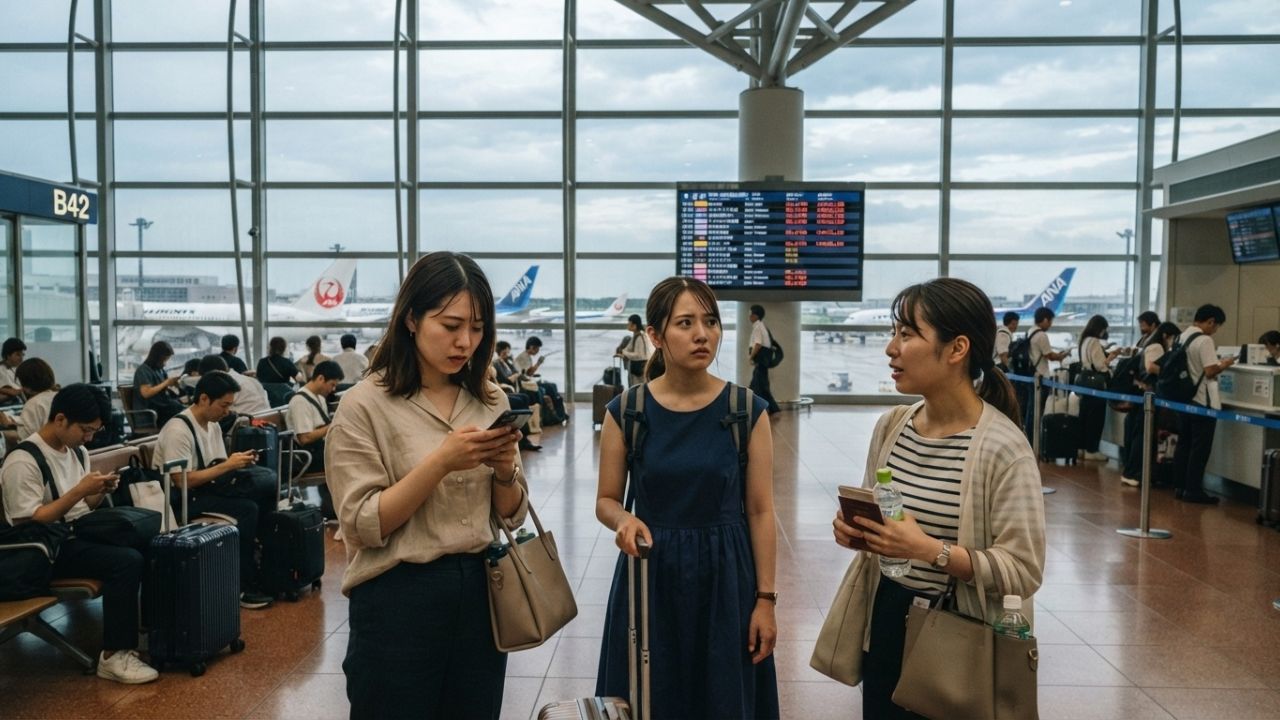
Image generated by AI
When a massive wave of flight disruptions swept across Asia on August 6, 2026, it resulted in 300 cancellations and 2,595 delays spanning Japan, China, Saudi Arabia, and Indonesia. Driven by Typhoon Dolphin in southern Japan, traffic congestion in eastern China, and security-related cancellations in Saudi Arabia, this localized airspace bottleneck highlights the vulnerability of modern travel routes.
Multi-Regional Disruption: The Tri-Fold Pressure on Asian Airspace
The modern aviation network is highly interconnected, meaning that minor disruptions at major hubs can quickly ripple across international corridors. On August 6, 2026, air travelers across Asia faced significant schedule changes as airports recorded a collective total of 2,595 delays and 300 flight cancellations. Rather than resulting from a single regional event, these disruptions occurred due to three distinct pressures: severe tropical weather in Japan, dense air traffic congestion in China, and precautionary security adjustments in the Middle East.
Aviation data compiled on August 6, 2026, using FlightAware records shows that the delays were not concentrated in a single country, but were spread across major airports in East Asia, Southeast Asia, and the Middle East. Flight crews, airport operators, and airline dispatchers worked under significant pressure to manage their fleets and minimize passenger delays. The vast majority of the cancellations were executed pre-emptively, helping to prevent aircraft from becoming stranded at regional outstations during severe weather or operational bottlenecks.
The table below summarizes the key disruption statistics recorded across the affected regions at 12:01 IST on August 6, 2026:
| Country / Territory | Primary Type of Disruption | Worst-Hit Airport Facilities | Main Contributing Factor | Primary Airlines Affected |
|---|---|---|---|---|
| China | Widespread flight delays | Shanghai Pudong, Shanghai Hongqiao | Heavy airspace congestion and high traffic density | China Eastern, Air China, Shanghai Airlines, XiamenAir |
| Japan | High cancellation rates | Kagoshima, Amami, Yakushima | Approach of Typhoon Dolphin to southern islands | Japan Airlines, All Nippon, Japan Air Commuter |
| Saudi Arabia | Preemptive cancellations | Riyadh, Jeddah, Gizan, Najran, Abha | Airspace safety protocols and regional tensions | Saudia, flyadeal |
| Indonesia | Minor schedule delays | Jakarta Soekarno-Hatta | Traffic flow management and scheduling adjustments | Batik Air, Garuda Indonesia, Lion Air, Citilink |
Regional Breakdowns: Weather, Congestion, and Airspace Security
In Japan, the disruption followed a distinct geographical pattern. Major central hubs like Tokyo Haneda and Osaka Itami continued handling high passenger volumes despite significant delays. However, southern islands—including Okinawa and the Amami region—saw cancellation rates rise as Typhoon Dolphin approached the coast. To protect aircraft and passenger safety, carriers like Japan Airlines, All Nippon, and Japan Air Commuter suspended services on smaller island routes to Kagoshima, Yakushima, Okinoerabu, and New Tanegashima, where high winds and rain make regional operations unsafe.
In Japan, island services were particularly vulnerable, with airports like Kagoshima, Yakushima, and Amami recording high cancellation rates. The Southern domestic network represents a vital transport link for local residents and tourists, and suspension of flights isolates these communities from the mainland. In China, the high density of air traffic in the eastern provinces means that even minor delays at major gateways like Beijing Capital or Shanghai Pudong quickly propagate across the domestic network, affecting secondary facilities like Zhengzhou Xinzheng and Shijiazhuang.
In China, the disruption was characterized by widespread delays across eastern and central corridors. Shanghai Pudong International Airport recorded the highest delay total of the day, while Shanghai Hongqiao, Beijing Capital, Zhengzhou Xinzheng, Xiamen Gaoqi, and Shijiazhuang also experienced significant congestion. Major operators, including China Eastern, Air China, Shanghai Airlines, Juneyao Airlines, Spring Airlines, China Southern Airlines, and Hainan Airlines, adjusted their schedules to accommodate these bottlenecks.
Meanwhile, Saudi Arabia recorded elevated cancellation levels across Riyadh, Jeddah, Gizan, Najran, and Abha. Unlike Chinese carriers that kept flights moving despite delays, Saudi operators like Saudia and flyadeal chose to cancel services. These cancellations occurred as airlines managed operational schedules alongside regional security concerns, including Saudi-Houthi airspace tensions. In Indonesia, the disruption remained moderate, focusing on Jakarta Soekarno-Hatta International Airport. Slower traffic flow resulted in delays for Batik Air, Garuda Indonesia, Lion Air, Citilink, Indonesia AirAsia, Super Air Jet, and Pelita Air Service, though most flights avoided cancellation.
Cultural & Environmental Value: Protecting Island Ecosystems and Regional Heritage
The approach of Typhoon Dolphin to southern Japan highlights the vulnerability of small island ecosystems in the Amami and Okinawa regions. The Japan National Tourism Organization (JNTO) emphasizes the importance of preserving the natural heritage of these islands, which host unique sub-tropical forests and marine habitats. Preemptive flight suspensions help minimize emissions and reduce the fuel burn associated with aborted landings during high winds.
Sustainable aviation fuel (SAF) initiatives are also being explored by major Asian carriers, including China Eastern, Japan Airlines, and Saudia. These programs aim to reduce carbon emissions by blending conventional jet fuel with renewable alternatives. By supporting these initiatives, passengers can contribute to the long-term sustainability of international air travel, reducing the environmental footprint of their journeys even when facing unexpected delays.
On the ground, travelers experiencing layovers or delays can support local communities by choosing to purchase from independent vendors in regional terminals. The Saudi Tourism Authority and the Indonesia Ministry of Tourism and Creative Economy highlight the importance of airport commerce for local artisans and food producers. Sampling local foods during delays—such as traditional dates in Riyadh, green tea in Tokyo, or regional pastries in Jakarta—ensures that travel spending directly supports local airport workers and regional suppliers.
Asian Air Travel Guide: Layovers and Transit Specialties
For travelers navigating flight delays and cancellations across major Asian terminals, regional travel specialists suggest the following tips:
- Optimal Booking Windows: During the summer typhoon season in East Asia, travelers should select early morning flights, as severe weather systems and convection patterns often intensify in the afternoon and evening.
- Transit Etiquette: Keep your boarding passes and travel documents accessible. When schedule changes occur, check your airline's digital portal for gate updates, meal vouchers, and rebooking options before visiting passenger service counters.
- Sample Regional Cuisine: sampled local culinary specialties during terminal delays. Try fresh sashimi or green tea sweets in Tokyo, sample authentic dim sum in Shanghai, enjoy traditional kabsa and dates in Riyadh, or sample chicken satay at Jakarta terminal dining spots.
- Explore Airport Green Spaces: If your layover is longer than four hours, seek out quiet areas. Tokyo Haneda features outdoor observation decks, while Jakarta Soekarno-Hatta offers indoor gardens that provide a relaxing space away from terminal gates.
- Monitor Weather Advisories: Travelers flying through southern Japan should follow updates from the Japan Meteorological Agency regarding Typhoon Dolphin's track, as further flight adjustments may be necessary.
- Under-the-Radar Quiet Zones: At Shanghai Pudong (PVG), seek out the seating areas near the ends of the passenger gates, which offer runway views and a quieter environment for remote work.
- Off-Peak Transit Times: When booking regional connections, select mid-week travel dates to avoid the weekend rush, helping to ensure a more relaxed airport experience.
Long-Term Outlook for Asian Aviation Infrastructure Resilience
The disruptions recorded on August 6, 2026, illustrate the importance of developing resilient airport infrastructure across Asia. As weather patterns become more volatile and air traffic volume grows, major hubs must invest in modern runway technology and weather tracking systems to manage delays effectively.
For passengers, understanding regional safety procedures builds confidence in flight networks. The coordination between airlines, airport operations, and air traffic control ensures that even when travel plans change, passenger safety remains the absolute priority. By investing in modern fleets, supporting green aviation initiatives, and upgrading regional runways, the industry can maintain global connectivity while adapting to a changing operational environment.
Related Travel Guides
Disclaimer
This article is for informational and educational purposes only. It does not constitute legal, financial, or professional advice. While we strive to provide accurate and up-to-date information, travel policies, regulations, and conditions change rapidly. Always verify information with official sources before making travel decisions. Nomad Lawyer makes no representations about the accuracy, reliability, completeness, or suitability of the information provided. Readers should consult qualified professionals for advice specific to their circumstances. The views expressed in this article are those of the author and do not necessarily reflect the views of Nomad Lawyer.