
Asia India Southeast Travel Retail Growth Reshapes Pacific Markets 2026
India and Southeast Asia emerge as dominant growth engines for Asia Pacific travel retail in 2026, signalling a major market shift beyond China's traditional dominance and reshaping luxury shopping dynamics.

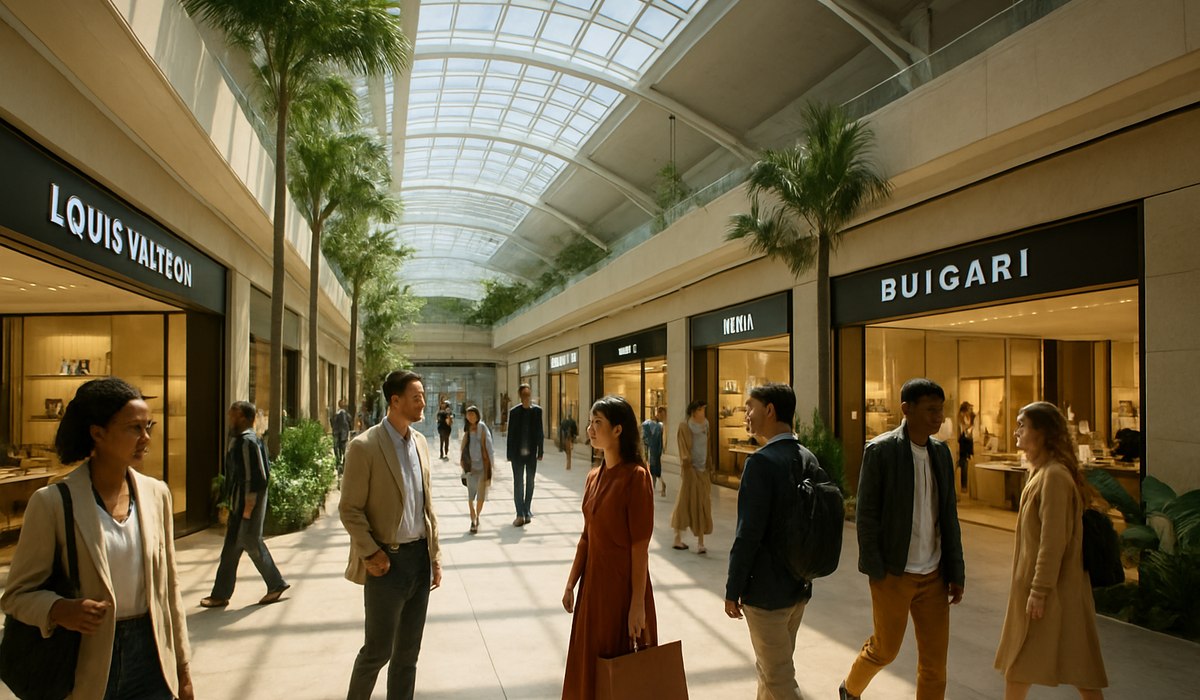
Image generated by AI
India and Southeast Asia Reshape Asia Pacific Travel Retail Landscape
India and Southeast Asia are accelerating into the spotlight as the primary growth catalysts for Asia Pacific travel retail expansion in 2026, according to new market intelligence. The region's travel retail sector is entering a transformative phase where emerging economies now rival established markets. This shift reflects fundamental changes in global tourism patterns, with millions of first-time affluent travellers from India and Southeast Asian nations discovering international shopping experiences. Major airports and cruise ports across the region are responding by expanding luxury retail offerings, personalised concierge services, and culturally-tailored shopping experiences that cater to these emerging consumer bases.
India and Southeast Asia: The New Growth Drivers
India's rapid expansion of middle-class and ultra-high-net-worth individuals has fundamentally altered Asia Pacific travel retail dynamics. Travellers from India now represent one of the fastest-growing segments for duty-free purchases, with preferences skewing toward luxury goods, premium cosmetics, and exclusive fragrances. Southeast Asian markets—particularly Thailand, Vietnam, and Singapore—complement this growth trajectory with strong domestic purchasing power and increasing regional travel connectivity.
Airlines and cruise operators serving these markets are recalibrating their retail strategies. Port retailers in Singapore, Bangkok, and emerging hubs are investing heavily in multilingual staff, localised product curation, and payment infrastructure supporting Indian and Southeast Asian digital wallets. The combined population of India and Southeast Asia exceeds 2 billion people, with growing disposable incomes driving unprecedented demand for premium shopping experiences during transit and port visits.
Changing Traveller Behaviour and Personalised Experiences
Modern travellers from India and Southeast Asia prioritise curated, experiential retail over conventional duty-free browsing. This demographic actively seeks personalised consultations, bespoke product recommendations, and cultural authenticity in shopping environments. Cruise lines and airport retailers are responding by implementing AI-driven recommendation engines and hiring regional specialists fluent in local languages and consumer preferences.
The demand for personalised experiences extends beyond product selection to entire customer journeys. Travel retailers now offer pre-departure consultation services, exclusive preview events for returning customers, and loyalty programs acknowledging regional shopping preferences. Travel operators who successfully drive engagement through personalisation report significantly higher conversion rates and repeat customer loyalty among Asian travellers.
AI and Innovation Transform Travel Retail Strategy
Artificial intelligence has become the cornerstone of modern travel retail operations serving Asia Pacific markets. Machine learning algorithms now predict individual consumer preferences with remarkable accuracy, enabling retailers to stock appropriate inventory and position products strategically. AI-powered customer service platforms offer real-time translation and cultural context, breaking down communication barriers that previously hindered sales.
Innovation extends beyond digital interfaces into physical retail experiences. Augmented reality fitting rooms, smart shelving systems, and mobile payment integration create seamless shopping experiences aboard cruise ships and in airport terminals. Blockchain-based authentication systems verify luxury product authenticity, addressing counterfeit concerns that particularly resonate with Indian and Southeast Asian consumers purchasing high-value items.
Market Implications for Travel Operators and Cruise Lines
Cruise operators and travel retailers must fundamentally restructure their Asia Pacific strategies to capitalise on India and Southeast Asia growth opportunities. This requires substantial capital investment in retail infrastructure, staff training, and digital ecosystem development. Companies that successfully adapt will capture disproportionate market share as these regions' purchasing power accelerates exponentially through the remainder of 2026 and beyond.
The competitive landscape increasingly favours operators who understand regional nuances and consumer psychology across diverse markets. Building partnerships with local retailers, understanding payment preferences, and respecting cultural shopping traditions become competitive differentiators. Visit the TFWA website for comprehensive market analysis and industry benchmarking data supporting these strategic shifts.
Key Market Data and Statistics
| Metric | 2026 Projection | Growth Driver | Regional Focus |
|---|---|---|---|
| India Travel Retail Growth | +18-22% annually | Rising affluence, first-time travellers | Major ports and cruise hubs |
| Southeast Asia Expansion | +15-19% annually | Regional connectivity, youth demographics | Thailand, Vietnam, Singapore |
| China Market Share | Stabilising (~35%) | Market maturation, saturation effects | Established luxury segments |
| AI Retail Implementation | +40% adoption | Personalization demand, operational efficiency | All major Asia Pacific terminals |
| Luxury Goods Sales | +12-15% growth | Premium positioning, emerging consumers | India and Southeast Asian travellers |
| Digital Payment Adoption | +35% year-over-year | Mobile wallet preference, fintech integration | Across all regional markets |
What This Means for Travellers
These market dynamics create tangible benefits for consumers exploring Asia Pacific travel retail:
-
Enhanced Product Selection: Expect significantly expanded luxury goods inventories curated specifically for Indian and Southeast Asian preferences across cruise ships and airport terminals throughout 2026.
-
Improved Customer Service: Multilingual staff, cultural specialists, and AI-powered assistance will provide personalised shopping guidance in your preferred language during travel experiences.
-
Exclusive Loyalty Benefits: Travel operators are launching sophisticated loyalty programs offering priority access, exclusive previews, and personalised discounts for returning customers from India and Southeast Asia.
-
Better Payment Options: Digital wallet integration, buy-now-pay-later services, and regional payment methods will streamline transactions, reducing friction during shopping experiences.
-
Authentic Luxury Authentication: Advanced verification systems ensure purchased luxury goods meet authenticity standards, providing confidence and peace of mind for significant purchases.
Frequently Asked Questions
How are cruise lines responding to India and Southeast Asia's growth in travel retail?
Cruise operators are expanding onboard retail spaces, hiring regional specialists, and implementing AI personalisation platforms. Companies investing in culturally-aware merchandising and multilingual support report strong performance gains from these emerging consumer segments throughout 2026.
What payment methods do Asia Pacific travel retailers now accept?
Modern travel retail terminals accept digital wallets popular in India and Southeast Asia, including Paytm, GCash, and regional banking apps, alongside traditional credit cards and cryptocurrency options for tech-savvy travellers.
Which luxury brands are expanding in Asia Pacific travel retail?
Cosmetics, fragrances, watches, and designer fashion brands are rapidly expanding their presence in Asia Pacific duty-free environments. Premium segments catering to first-time luxury purchasers from India and Southeast Asia represent the fastest-growing categories.
Will travel retail prices differ between regions in 2026?
Pricing generally remains standardised across duty-free environments, but regional promotions and loyalty benefits increasingly reflect local purchasing preferences, creating effective price variations through personalised offers and bundling strategies.
Related Travel Guides
- Delta Air Lines Expands Ultra-Long-Haul Network in 2026: New 17-Hour Routes Transform Global Travel
- Govt Develop Heliports in Valmikinagar, Kaimur for Eco-Tourism
- Travel Canadian Tourism: Border Crossings Face New Rules Amid Tariff Crisis
Disclaimer
This article synthesises market intelligence from the Oliver Wyman-TFWA 2026 Asia Pacific Travel Retail Report and industry analysis from travel retail professionals. Information reflects market conditions and projections as of June 2026. While every effort ensures accuracy, market conditions evolve rapidly. For the most current cruise itineraries, pricing, and retail offerings, visit official cruise line websites and Cruise Critic for verified passenger reviews and detailed port information. Always verify specific retail offerings, payment methods, and services with your cruise operator or airline before travel.
Disclaimer
This article is for informational and educational purposes only. It does not constitute legal, financial, or professional advice. While we strive to provide accurate and up-to-date information, travel policies, regulations, and conditions change rapidly. Always verify information with official sources before making travel decisions. Nomad Lawyer makes no representations about the accuracy, reliability, completeness, or suitability of the information provided. Readers should consult qualified professionals for advice specific to their circumstances. The views expressed in this article are those of the author and do not necessarily reflect the views of Nomad Lawyer.
Kunal K Choudhary
Co-Founder & Contributor
A passionate traveller and tech enthusiast. Kunal contributes to the vision and growth of Nomad Lawyer, bringing fresh perspectives and driving the community forward.
Learn more about our team →