
Asia Flight Disruption: 3555 Delays and 293 Cancellations Reported
Asia's aviation networks split as airlines process 3,555 delays and 293 cancellations, contrasting China's congestion strategy with Saudi Arabia's cuts.

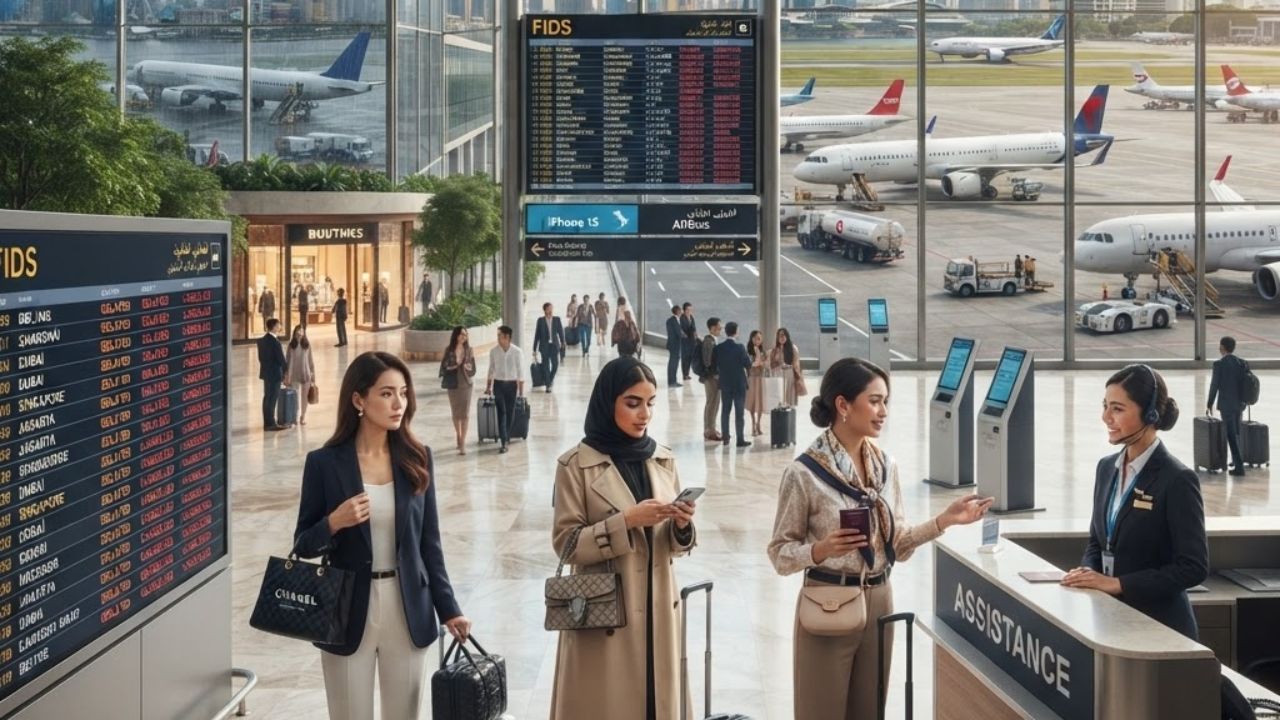
Image generated by AI
Asia Flight Disruption: 3555 Delays and 293 Cancellations Reported
SEO Title: Asia Flight Disruption: Delays and Cancellations in China & Saudi Arabia
Meta Description: Aviation networks in Asia split as airlines manage 3,555 delays and 293 cancellations. Compare China's delay strategy with Saudi Arabia's cancellation cuts.
Slug: asia-aviation-disruption-delays-cancellations-july-2026
Standfirst: Singapore, July 28, 2026 — Official flight records indicate that air transit networks across Asia are experiencing severe congestion, with airlines working to manage 3,555 flight delays and 293 cancellations.
Three Headlines
Factual / News Headline
- Flight networks across Asia face severe operational strain as carriers manage 3,555 delayed and 293 cancelled flights under varying regional strategies.
Curiosity-Gap (Discover) Headline
- The striking operational divide in Asian aviation: Why some hubs are keeping flights moving while others are proactively grounding them.
Problem-Solving (Search) Headline
- How to manage your travel itineraries during the ongoing flight delays and cancellations across major Asian transport hubs.
Singapore, July 28, 2026 — A total of 3,555 delayed and 293 cancelled flights have split the Asian aviation corridor into two radically different operational realities today. These massive Asia flight disruptions and cancellations are forcing airlines to choose between long schedule slippages and outright cancellations. Industry reports show that while China is keeping aircraft moving despite massive congestion, Saudi Arabia is relying heavily on schedule cuts.
Diverse Network Strategies Diverge Across Asian Aviation Hubs
The global airline sector relies on precise scheduling, but severe disruptions often force air carriers to adopt contrasting management philosophies. According to updates compiled by the International Air Transport Association (IATA), today's flight disruptions across Asia highlight two distinct operational paths. Some regions are absorbing schedule pressure by delaying departures, while others are electing to cancel flights entirely to prevent cascading network failures.
The disparity is particularly visible when comparing operations in East Asia with those in the Middle East. China has accounted for approximately three-quarters of all delays, indicating a strategy focused on keeping aircraft moving through congested air corridors. Conversely, Saudi Arabia has generated about 60% of all reported cancellations, representing a preference for immediate capacity cuts to stabilize ground operations.
These divergent patterns are unfolding against a background of heavy summer passenger volumes, localized storm systems, and persistent airspace restrictions. Additionally, geopolitical security concerns in the Middle East continue to influence route planning, adding complexity to airline scheduling. Together, these factors have created a complex transit environment for international passengers.
China Absorbs Flight Delay Volume to Preserve Route Connectivity
Across China's busy domestic network, airlines and airport operators are choosing to absorb convective weather and airspace restrictions through rolling delays rather than cancellations. Major gateways, including Chengdu Tianfu, Guangzhou Baiyun, Kunming Changshui, Shanghai Pudong, and Beijing’s two primary international airports, are experiencing significant congestion. Despite these bottlenecks, total cancellations have remained low relative to the volume of flights operated.
By keeping aircraft in the rotation, Chinese airlines are prioritizing long-term passenger connectivity, even though it results in lengthy delays. This strategy helps ensure that passengers eventually reach their destinations on their booked travel dates, avoiding the logistical challenge of rebooking tens of thousands of travelers onto subsequent days. However, it also means that flight schedules become increasingly unreliable as delays accumulate throughout the operating day.
This approach is particularly visible in the operations of major domestic carriers like China Eastern Airlines. The airline has accumulated more delays than any other carrier in the region, with disruptions spread across multiple primary hubs. Rather than a localized shutdown, the congestion has become a system-wide challenge that requires careful crew and aircraft coordination.
Saudi Arabia Directs Proactive Flight Cancellations Amid Regional Tensions
Aviation management within Saudi Arabia has taken almost the opposite approach to the current operational challenges. While total delays remain low, key airports including King Abdulaziz International Airport in Jeddah, King Khalid International Airport in Riyadh, Abha Regional Airport, Najran Domestic Airport, and Gizan Regional Airport are experiencing high rates of cancellations. This proactive management strategy represents a choice to prune schedules rather than allow long delays to build up.
By canceling flights early, airlines can prevent crew duty limits from being exceeded and avoid gridlock at airport terminals. This is particularly useful for domestic routes where passengers can be accommodated on alternative ground transport or rescheduled onto high-frequency corridors. However, it leaves a higher number of travelers facing immediate travel plan changes.
Additionally, the regional security context remains a factor in Middle Eastern aviation planning. Continued tensions in the Red Sea region and recent Houthi attacks targeting infrastructure have increased operational uncertainty for airlines flying near these zones. While these security issues do not directly cause every cancellation, they create a more complex operating environment that requires airlines to maintain conservative scheduling margins.
Comparing Operational Strategies Across Major Asian Airports
To clarify how these operational differences are affecting specific gateways, the table below compares the disruption profiles of the major national aviation markets today:
Operational Profile of Key Asian Aviation Markets
| Aviation Market | Primary Disruption Type | Share of Regional Delays | Share of Regional Cancellations | Key Gateway Affected |
|---|---|---|---|---|
| China | Rolling Delays | ~75% | Low | Chengdu Tianfu (TFU) |
| Saudi Arabia | Proactive Cancellations | Low | ~60% | Jeddah King Abdulaziz (JED) |
| Singapore | High-Volume Congestion | Moderate | Very Low | Singapore Changi (SIN) |
| United Arab Emirates | Rolling Delays | Moderate | Low | Dubai International (DXB) |
| Indonesia | Balanced Disruptions | Moderate | Moderate | Jakarta Soekarno-Hatta (CGK) |
This structured comparison highlights how local infrastructure priorities, regulatory environments, and geographic positions influence how airlines respond to schedule disruptions.
Singapore Changi and Gulf Gateways Maintain Operational Flow
Outside the primary delay and cancellation hotspots, several major Asian hubs are demonstrating significant operational resilience. Singapore Changi Airport has successfully managed heavy summer passenger traffic while avoiding widespread flight cancellations. While minor schedule changes have occurred, the airport's efficient ground handling and runway management have kept the vast majority of flights moving close to their scheduled times.
In the Gulf, Dubai International Airport has managed rolling delays affecting multiple airlines without resorting to major schedule reductions. The hub has continued to process high volumes of connecting passengers, demonstrating the capability of its transit facilities to absorb delays without network shutdowns. Nearby Sharjah International Airport has experienced a similar pattern of slower operations rather than cancellations.
In Indonesia, Jakarta's primary airport has reported a balanced disruption profile. While domestic flights have experienced delays across multiple carriers, cancellations have remained low enough to suggest that operators are successfully keeping the majority of their schedules active. This balanced approach helps maintain connectivity across the archipelago's vast transport network.
Saudia and China Eastern Airlines Manage Severe Scheduling Pressure
The operational burden of managing these disruptions is concentrated on key national carriers. Saudia has registered the highest volume of cancellations in the region today, reflecting the kingdom's broader strategy of proactive schedule adjustments. The airline is actively reallocating aircraft and crews to stabilize its domestic and regional networks.
China Eastern Airlines, by contrast, is managing its schedule pressure through rolling delays. The carrier is working to keep its extensive network connected despite delays at major hubs like Shanghai Pudong and Kunming Changshui. This requires constant communication with air traffic control authorities to secure departure slots as soon as weather and congestion permit.
Other major carriers are also adapting to these regional patterns. Emirates is managing delays at its Dubai hub while maintaining its international flight schedule. Similarly, Singapore Airlines has encountered schedule delays but has avoided widespread cancellations, protecting its connection networks for long-haul passengers.
What Travelers Get During Severe Air Network Disruptions
When flight networks experience widespread delays and cancellations, passengers are entitled to specific services under standard carrier guidelines. Understanding these rights can help travelers manage their expectations and secure appropriate assistance from airlines.
Key passenger services during major disruptions include:
- Access to Rebooking Support: Airlines must offer passengers alternative travel options on the next available flights without charging penalty fees.
- Meals and Refreshment Vouchers: If a flight delay exceeds several hours, carriers should provide vouchers to cover food and beverages at the airport terminal.
- Transit Lounge Access: During extended delays, airlines may provide premium passengers with lounge access to wait in comfort.
- Hotel Accommodation for Overnight Delays: If a cancellation forces an overnight wait, airlines are expected to arrange hotel lodging and transport.
Actionable Steps for Navigating Travel Across Congested Gateways
For travelers planning journeys through affected regions, taking proactive steps can help minimize the impact of flight delays. Passengers should monitor their flight status closely through airline mobile apps or website updates before leaving for the airport. Setting up automatic notifications can ensure that you receive real-time alerts regarding gate changes or schedule revisions.
Additionally, passengers connecting through hubs like Dubai or Singapore should allow extra time for layovers. When flights experience rolling delays, short connection windows of under ninety minutes can easily be missed. Opting for longer layovers reduces the risk of missing connecting flights and losing checked baggage.
Finally, travelers heading to or within Saudi Arabia should pay close attention to cancellation notifications. Because the local strategy focuses on schedule cuts, checking your flight status early in the day is essential. If a flight is cancelled, contacting the airline's telephone customer service or using their online chat is often faster than waiting at the airport ticket counter.
From a Logistical Standpoint: How Scheduling Philosophies Divide the Industry
From a logistical standpoint, today's disruptions demonstrate that there is no single standard for managing aviation network failures. The choice between absorbing delays and executing cancellations depends on an airline's business model, hub capacity, and fleet availability. Proactive cancellations allow an airline to reset its schedule quickly, whereas allowing delays to accumulate can lead to prolonged disruptions that last for days.
For the traveler, this means that the impact of a disruption depends heavily on the operating philosophy of their carrier and the policies of their destination country. While rolling delays are frustrating, they keep passengers moving toward their destinations. Cancellations, on the other hand, require immediate rebooking logistics, placing a heavier burden on airline customer service systems.
As international air travel continues to grow, understanding these operational realities helps passengers make informed decisions when booking flights. Choosing airlines with modern fleets, robust hubs, and clear passenger service policies can help mitigate the risks of travel disruptions during peak seasons.
FAQ: Asia Flight Disruptions and Cancellations 2026
Q1: What are the main causes of the current flight disruptions across Asia?
A1: The disruptions are driven by a combination of high summer travel volumes, localized weather systems, air traffic control congestion, and regional security concerns in the Middle East.
Q2: How do the operational responses of airlines in China and Saudi Arabia differ?
A2: Chinese airlines are absorbing pressure through rolling delays to preserve route connectivity, while Saudi Arabian carriers are using proactive cancellations to stabilize their schedules.
Q3: What should passengers do if their flight is cancelled due to regional congestion?
A3: Passengers should contact their airline immediately via mobile apps or online customer portals to arrange rebooking on the next available flight without penalty fees.
Related Travel Guides
- China Flight Disruption: Weather Causes 4133 Delays and 133 Cancellations
- LATAM Airlines São Paulo New York Route Reaches 87% Occupancy
- United Airlines São Paulo Houston Route Reaches 95% Occupancy
Meta Description: Flight disruptions and cancellations spread across Asia as carriers manage 3,555 delays and 293 cancellations under varying regional strategies.
Disclaimer
This article is for informational and educational purposes only. It does not constitute legal, financial, or professional advice. While we strive to provide accurate and up-to-date information, travel policies, regulations, and conditions change rapidly. Always verify information with official sources before making travel decisions. Nomad Lawyer makes no representations about the accuracy, reliability, completeness, or suitability of the information provided. Readers should consult qualified professionals for advice specific to their circumstances. The views expressed in this article are those of the author and do not necessarily reflect the views of Nomad Lawyer.
Kunal K Choudhary
Co-Founder & Contributor
A passionate traveller and tech enthusiast. Kunal contributes to the vision and growth of Nomad Lawyer, bringing fresh perspectives and driving the community forward.
Learn more about our team →