Arctic Europe Midnight Sun Tourism Shift: Norway, Finland and Sweden Redefine Summer Travel 2026

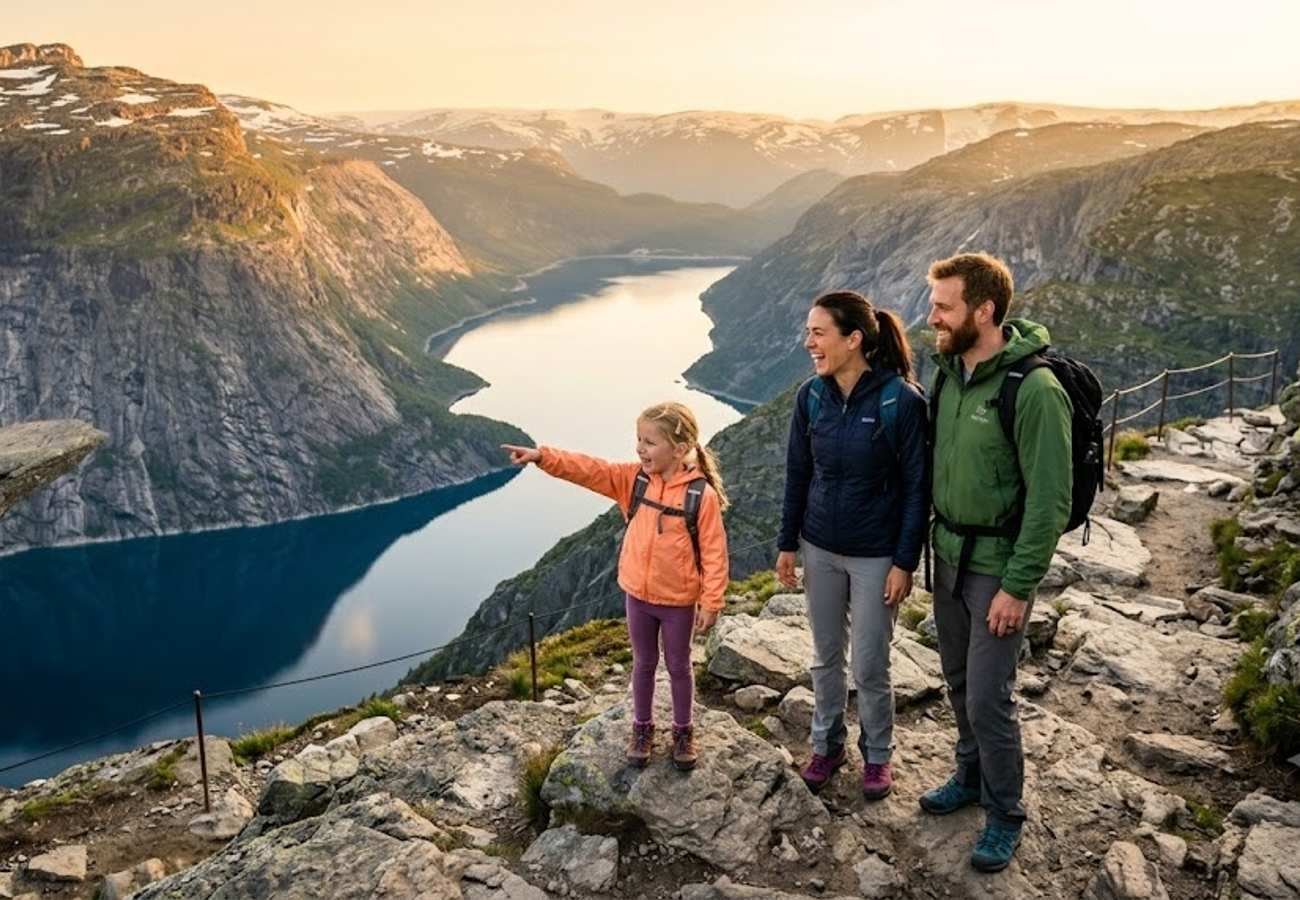
Image generated by AI
The traditional summer tourism model in the Arctic is collapsing. Tour operators across Norway, Finland, and Sweden are abandoning midday schedules in favor of "after-hours" excursions, turning the astronomical phenomenon of the Midnight Sun into a primary economic driver.
The shift is not merely aesthetic. Destination management organizations and hospitality providers are fundamentally redesigning itineraries to move high-impact activities—hiking, kayaking, and wildlife spotting—into the 10 pm to 2 am window. This strategic pivot addresses three critical pressures: rising summer temperatures, daytime congestion at iconic landmarks, and a growing global demand for "experience-led" travel.
For regions north of 66°33′ N latitude, continuous daylight is no longer a curiosity for visitors to observe; it is the operational backbone of a new visitor economy. By redistributing tourist flows, local economies are extending their revenue-generating hours while improving the quality of the guest experience.
Operational Shift: From Midday to Midnight
The most significant change is the rewriting of the summer timetable. Activities that once peaked between 10 am and 3 pm are migrating toward late-evening departures. Data indicates a surge in demand for experiences starting around 9 pm and extending past midnight.
From a logistical perspective, this move provides several tangible advantages:
- Climate Control: Lower evening temperatures reduce physical fatigue for hikers and cyclists.
- Atmospheric Stability: Calmer winds and waters during the night improve the safety and quality of fjord cruises and kayaking.
- Crowd Mitigation: Iconic viewpoints that are overwhelmed at noon become tranquil and exclusive by midnight.
Comparative Activity Scheduling
| Activity | Traditional Time | Emerging Preferred Time |
|---|---|---|
| Mountain hiking | Morning | 9 pm – 12 am |
| Fjord cruises | Afternoon | 10 pm – 1 am |
| Wildlife safaris | Afternoon | Late evening |
| Kayaking | Midday | 9 pm onwards |
| Landscape photography | Midday | Midnight golden hour |
| Cycling tours | Morning | Evening and midnight |
The Astronomical Window of Opportunity
The duration of this phenomenon varies significantly by latitude, dictating the operational window for tour operators in different regions.
Approximate Duration of Midnight Sun by Destination
| Destination | Approximate Period | Continuous Daylight |
|---|---|---|
| North Cape, Norway | Mid-May – Late July | Around 75 days |
| Tromsø, Norway | Mid-May – Late July | Around 60 days |
| Svalbard | Mid-April – Late August | More than 120 days |
| Kiruna, Sweden | Late May – Mid-July | Around 50 days |
| Rovaniemi, Finland | Early June – Early July | Long twilight/Near-continuous |
| Iceland (Northern Regions) | June | Nearly 24-hour daylight |
High-Value Segments: Photography and Adventure
The "Midnight Sun Revolution" is most visible in two high-spend sectors: professional photography and extreme adventure.
Photography Tourism The Arctic’s extended "golden hour" provides a level of natural illumination that is impossible elsewhere. Rather than a brief window of light, photographers now have several uninterrupted hours of soft, low-angle sunlight. This has led to the rise of premium-priced itineraries focusing on:
- Fjord Reflections: Utilizing calm evening waters for mirror-like imagery.
- Glacier Contrast: Enhanced color and contrast during the midnight window.
- Crowd-Free Landscapes: Capturing coastal villages without the interference of daytime tourist traffic.
Adventure Expansion Unlimited visibility has removed the need for artificial lighting on multi-day trekking and mountain biking expeditions. This has enabled the introduction of midnight races, endurance events, and overnight glacier walks that were previously impractical.
Why This Matters
From an industry analysis perspective, this is a masterclass in asset optimization. Most tourism destinations fight against the clock; Arctic Europe is leveraging its unique geography to create a "second day" of productivity.
For the traveler, the real impact is a transition from "checklist tourism" to "immersive tourism." By moving activities to the midnight window, the experience shifts from a crowded, hot, and rushed excursion to a contemplative and exclusive encounter with nature.
For the operator, this means higher capacity. Instead of a 8-hour operational window, businesses can now feasibly run two or three distinct shifts of activities per 24-hour cycle, significantly increasing the Average Revenue Per Visitor (ARPV) without needing to increase the total number of tourists—a key win for sustainable tourism.
Industry Outlook
Expect to see a surge in "Sleep-Shift" hospitality packages, where hotels offer late-night dining and flexible check-in/out times to accommodate guests who are active until 3 am. We anticipate that insurance and safety certifications for "Night-Light" adventure activities will become a new standard for Arctic operators. As climate change continues to raise summer temperatures, the "Midday Exodus" will likely accelerate, making the midnight economy the dominant model for Northern European summer travel.
The Arctic is no longer just a destination for the brave; it is a laboratory for the future of experiential travel.
Related Travel Guides
This article is for informational purposes. Flight routes, passenger regulations, visa rules, and transit advisories are subject to change by airlines and aviation authorities. Readers are advised to verify schedules and travel documentation with relevant carriers and border agencies before departure.
Related Stories

Sicily, Tuscany and Piedmont: Italy's Luxury Vineyard Escapes Attract US Travelers in 2026
Northern Ireland Tourism Surge: Solo Travelers Drive £1.2 Billion Boom in Belfast and Derry 2026